Nasa asteroid crash site reached by European probe to assess deflection
ESA's Hera spacecraft has initiated its observations of the Didymos asteroid system following NASA's DART mission's collision with Dimorphos. This investigation seeks to analyze the impact's effects on Dimorphos' structure and its trajectory, which is essential for planetary defense. Researchers aim to uncover the momentum enhancement factor and physical effects of the collision, while also…
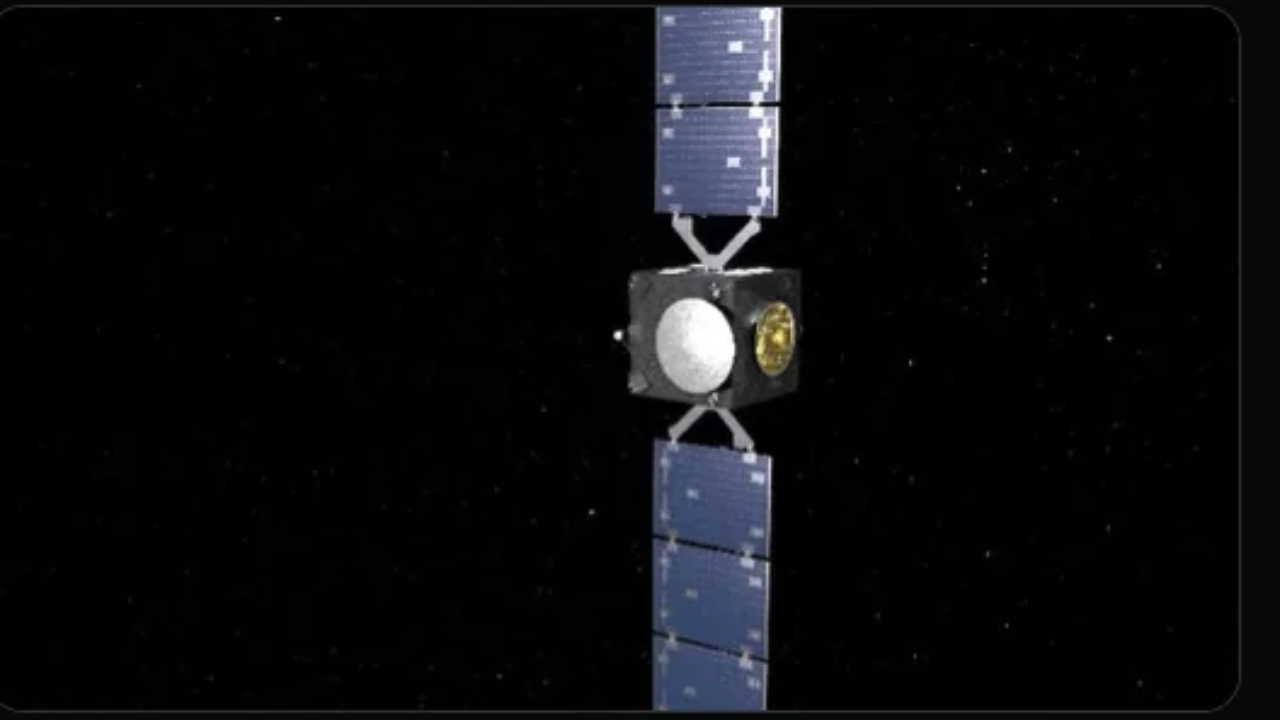
On November 12, 2014, the European spacecraft Philae made history by landing on Comet 67P, but the landing was far from smooth. The Philae lander separated from the Rosetta orbiter ahead of the landing, but its harpoons failed to secure it to the comet's surface. As a result, Philae bounced twice, first rising half a mile above the comet before plummeting back down.
Scientists discovered Philae's location nearly two years later after Rosetta's images revealed it wedged in a dark crevice on the comet's surface. This groundbreaking mission aimed to study the comet's composition up close, but Philae's bumpy landing created challenges. Despite the difficulties, Philae still managed to gather data, detecting organic molecules never seen before on a comet.
The Rosetta orbiter continued to orbit the comet until it joined Philae on the surface in September 2016.
Written by urgent.news from Space.com's reporting — not their text. Machine-written — may contain errors; check the original before relying on it.
This story
This is one outlet's version. Read the fullest account.