Climate change made Indonesian wildfires more severe, scientists say
While a very strong El Niño was the dominant factor in determining the extremely low levels of rainfall across Indonesia from July, human-induced climate change contributed around 1.6 degrees Celsius of additional heat during the fire season, said a report by climate research group World Weather Attribution.
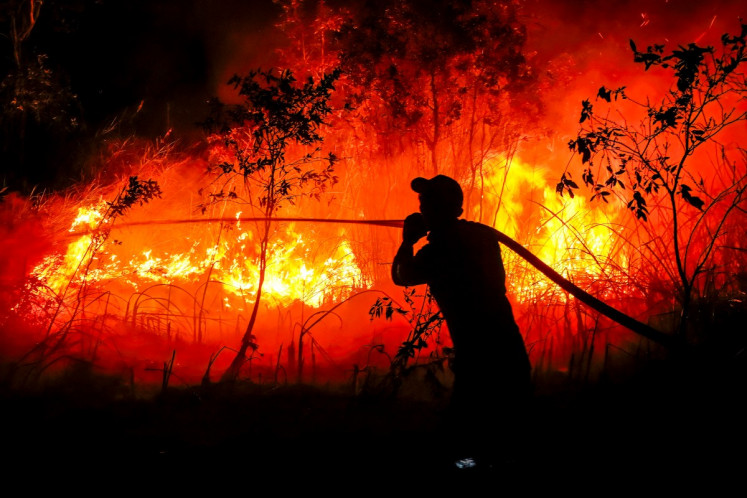
Indonesian wildfires from August to October intensified due to record-breaking heat driven by human-induced climate change, according to scientists. A report by World Weather Attribution found that additional heat contributed around 1.6 degrees Celsius during the fire season, exacerbating a very strong El Niño that caused extreme rainfall shortages in Indonesia.
Researchers noted that the extreme weather conditions for these fires would not have occurred without human-induced climate change. Additionally, decades of deforestation and peatland drainage for industry and agriculture have made Indonesia's landscapes more vulnerable to ignition, with September 2026 being the fifth-driest since 1991.
The independent geo-monitoring platform Nusantara Atlas reported that almost 2.88 million hectares of Indonesian territory were affected by fire from January to October 2026, a 35% increase compared to the same period in 2019.
Written by urgent.news from Free Malaysia Today's reporting — not their text. Machine-written — may contain errors; check the original before relying on it.
This story
This is one outlet's version. Read the fullest account.
- Climate change made Indonesian fires more severe, say scientists freemalaysiatoday.com
- Climate change intensified Indonesia's devastating wildfires, scientists say thevibes.com
- Climate change made Indonesian fires more severe, scientists say koreatimes.co.kr