Kubernetes Is Strengthening its Position as the AI Platform of Choice
Kubernetes’ next AI push targets GPU efficiency, massive clusters, and safer agents. SALT LAKE CITY — I’m often surprised how many people don’t know just how important Kubernetes is to AI. After all, in the Cloud Native Computing Foundation (CNCF) January 2026 Annual Cloud Native Survey, 66% of organizations hosting The post Kubernetes Is Strengthening its Position as the AI Platform of Choice…
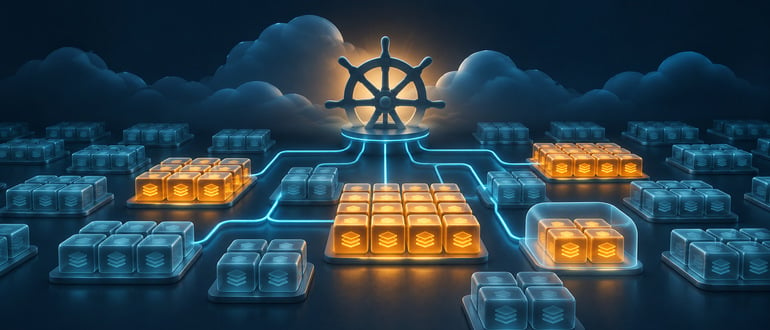
Kubernetes is strengthening its position as the AI platform of choice, according to recent developments at KubeCon North America 2026. The Cloud Native Computing Foundation (CNCF) and vendors showcased improvements aimed at optimizing AI workloads on Kubernetes. The next Kubernetes version, 1.38, scheduled for December 16, will introduce gang scheduling and enhanced accelerator allocation capabilities.
AWS's Mike Stefaniak emphasized the challenges of managing large AI workloads, noting that Kubernetes can handle tens of thousands of GPU instances within a single cluster. He described significant performance improvements, such as reducing API-server watch-cache lock wait times and improving scheduling rates to above 300 Pods per second in large clusters.
AWS also plans to compress API objects before storing them in etcd to address storage pressure in very large clusters. Furthermore, Kubernetes is being reconfigured to treat distributed AI workloads as coordinated groups, with enhancements to gang-scheduling and Workload and PodGroup APIs. These changes aim to optimize resource allocation and prevent misfiring training jobs from stalling.
Dynamic Resource Allocation (DRA) is another important development, which will provide more precise descriptions of accelerator capabilities and capacity. This enhancement will extend smart allocation to partitionable devices, consumable capacity, and fractional capacity ranges. Karpenter, an open-source node lifecycle manager, will also benefit from these improvements.
Stefaniak highlighted the need for efficiency in container startup times, as AI images can reach tens of gigabytes. An upstreamed parallel-unpack implementation, available in containerd 2.2, has already reduced the time required to bring a 10GB image from registry to node from two minutes to under 45 seconds.
Written by urgent.news from Container Journal's reporting — not their text. Machine-written — may contain errors; check the original before relying on it.