AI firms court ex-spies as Nvidia crisis sets off alarm bells
ARTIFICIAL intelligence firms are hiring former intelligence operatives to help shield them from espionage, a risk thrust into the spotlight as Nvidia axed its chief executive officer, Jensen Huang, following reports of two extramarital affairs—one with an alleged Chinese spy.
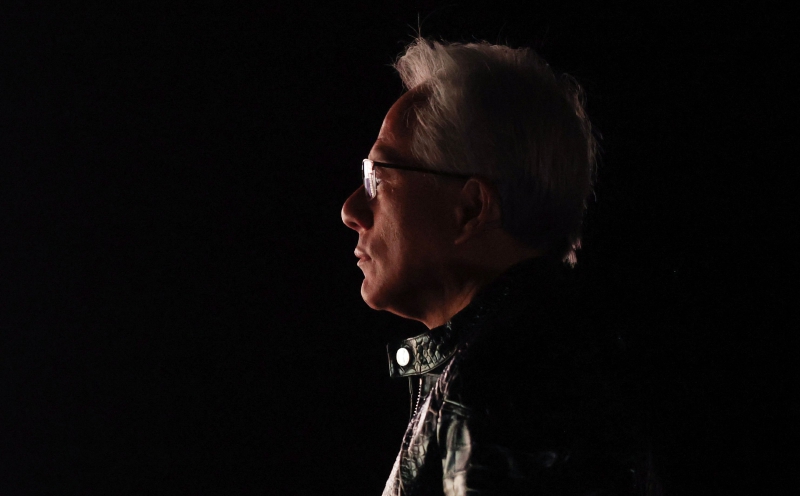
Artificial intelligence firms are increasingly hiring former intelligence operatives to fortify their defenses against espionage, a concern exacerbated by the recent ousting of Nvidia CEO Jensen Huang following reports of two extramarital affairs involving a Chinese spy. This trend has been driven by the booming demand for AI in recent years, prompting these companies to bolster their security measures.
Former US Secret Service agent Christopher Falkenberg noted that top-tier security talent is being recruited from government agencies to address these threats. Revelio Labs, a firm tracking hiring trends, reports that counterintelligence hiring is a relatively new phenomenon in frontier AI companies, with positions like those at OpenAI, Anthropic, and Nvidia offering salaries ranging from $200,000 to $500,000.
Catherine Marinis-Yaqub, a former CIA officer, emphasized that these experts are sought after for their ability to detect threats such as employee theft of trade secrets or attempts to exploit vulnerabilities through blackmail or coercion. The AI industry's growing awareness of these risks is evident in the appointments of former intelligence officials to leadership positions and advisory boards.
For instance, OpenAI appointed former NSA director Paul Nakasone to its board and is hiring a senior global security investigator, while Anthropic added former CIA deputy director David Cohen and former NSA cybersecurity director Dave Luber to its national security advisory council. The salaries commanded by these executives reflect the scarcity of skilled professionals in this niche field.
Companies like ASML, Europe's most valuable listed firm, have also enhanced their security infrastructure as their technology becomes a focal point in the US-China tech rivalry. Despite these efforts, many firms still overlook the risk of executives falling victim to espionage, viewing it as a far-fetched scenario.
Written by urgent.news from New Straits Times's reporting — not their text. Machine-written — may contain errors; check the original before relying on it.