A truly multilingual society should not come at the cost of Arabic
Writing about the UAE often emphasises its exceptionalism: usually in terms of the booming economy, first-rate infrastructure and embrace of innovative technology. Less discussed among these idiosyncrasies is that the country's lingua franca, English, is not its official language, which is Arabic . It is a language phenomenon reflective of the UAE’s ambition to become a global hub, the result of…
The United Arab Emirates, known for its exceptional economy, infrastructure, and embrace of technology, takes a unique approach in its linguistic landscape. Notably, the country's lingua franca, English, is not its official language; Arabic holds this distinction. This linguistic phenomenon is a direct result of the UAE's ambition to become a global hub and its relatively open immigration policy, which has fostered a highly diverse and transient population.
While the widespread use of English has undeniably contributed to the UAE's growth, it has also posed challenges to the native Arabic language and the cultural vitality of Arab youths and families residing in the country.
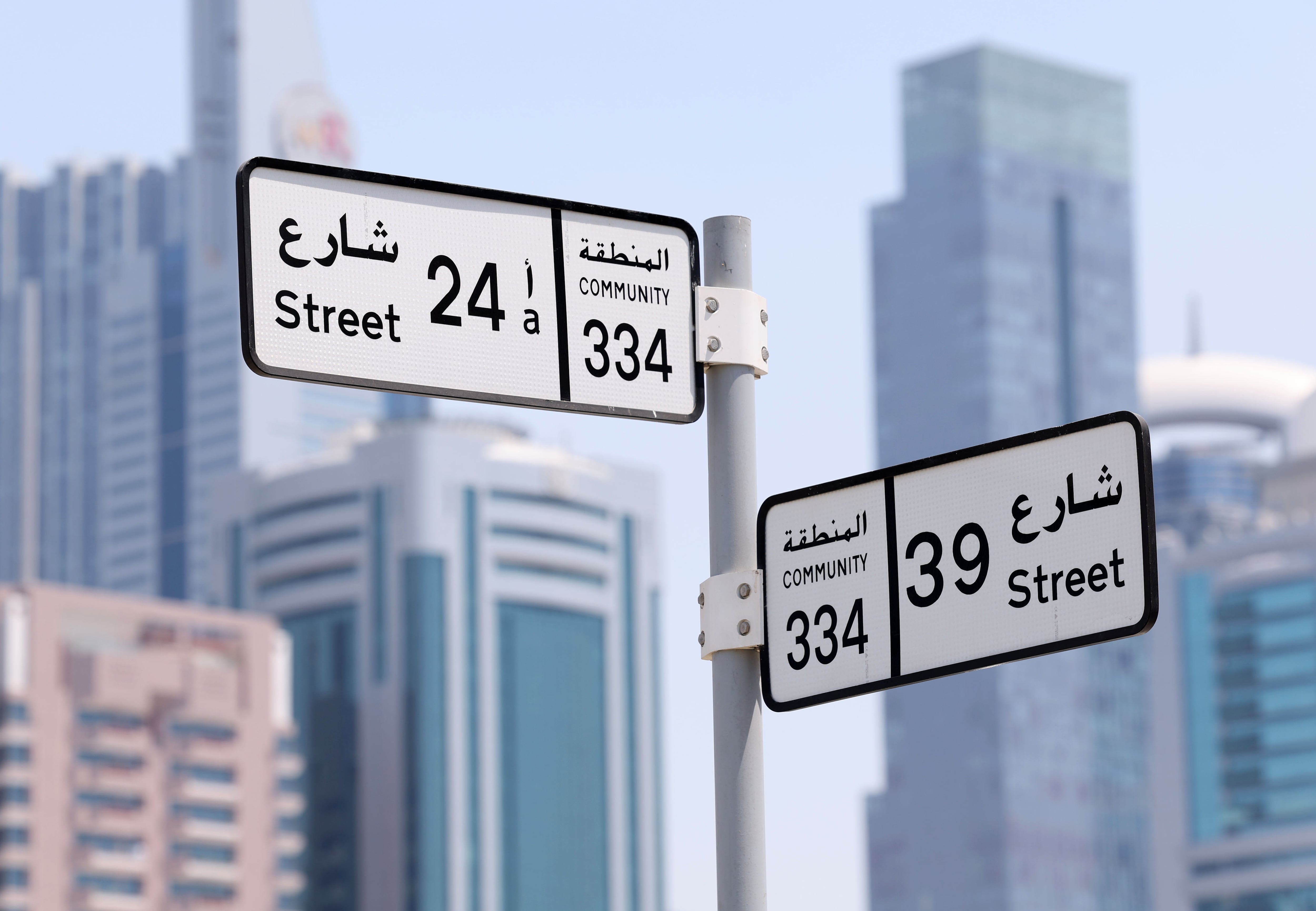
A truly multilingual society is feasible, but it requires treating Arabic as an indispensable language. Living in the UAE without learning Arabic is common, and many may never feel obligated to speak or understand the language. Arabic is primarily used in signage, the public sector, and within Arab social circles. Despite constituting around 40% of the resident population, native Arabic speakers are still a significant minority, with Emiratis included.
However, the dominance of English has led to a situation where young Arabs, regardless of their background, are communicating primarily in English, often at the expense of their Arabic language skills.
The consequences of this linguistic shift are counterintuitive for those raised in an Arab family and a Arab country. Many Arab youth in the UAE and across the Gulf are unable to read, write, or even speak in Arabic. This outcome is often underestimated by parents, who may overestimate their children's Arabic proficiency at home while simultaneously diminishing Arabic communication, believing that English fluency is more advantageous for education and career prospects.
The role of schooling in fostering language development is crucial, as many Arab parents opt for English-medium private schools for their children. According to UNESCO data from 2020, 48% of K-12 schools in the UAE are private, with the British curriculum being the most popular, followed by Indian and US curricula.
Despite the prevalence of English-medium education, Arabic is underprioritized in these institutions. Under the UAE's KHDA requirements for 2025-26, a first-grader with an Arab passport receives only four hours of Arabic instruction per week. This insufficient exposure to Arabic is further compounded by the large number of Arab students holding non-Arab passports, who are often required to take Arabic as a second language rather than as their primary language of instruction.
The question arises whether neglecting Arabic's development is an acceptable outcome of pursuing global economic potential or a problem that needs addressing. The answer lies in recognizing the inherent connection between language and identity. As Kenyan author Ngugi wa Thiong'o wrote in his 1986 essay collection, "Language as culture is the collective memory bank of a people's experience in history."
Language embodies heritage and carries it from one generation to the next. Without Arabic, a young Arab who only speaks English may internalize American or British culture, losing their own cultural heritage in translation.
The UAE government has recognized this connection and is taking steps to address the issue. In 2026, the government announced plans to draft its first Arabic language law, aimed at strengthening national identity and cultural belonging through reforms targeting education, advertising, technology, and more. While the motivations behind these reforms are not elaborated in detail, their urgency is evident.
The UAE's population is projected to grow significantly over the next decade, with Arab expatriates making up a substantial portion of that growth. Additionally, the country has become a destination for Arabs and non-Arab Muslims from the Western diaspora, drawn by the UAE's reputation as a safe, prosperous, and cosmopolitan society.
This vision of the UAE as an inherently Arab nation is attractive, but it is up to us to ensure that the country and our communities remain Arab. This begins with normalizing the use of Arabic at home, in the workplace, and in public spaces.
Written by urgent.news from The National UAE's reporting — not their text. Machine-written — may contain errors; check the original before relying on it.
Also reported by 1 other outlet
- A truly multilingual society should not come at the cost of Arabic thenationalnews.com