5 common diabetes food myths that deserve a rethink
Whenever food advice sounds absolute, question it – portion sizes, frequency and what your meal consists of are what truly matter.
Living with diabetes can make mealtime decisions feel daunting. Many Malaysians hear conflicting advice from family and friends, leading to confusion about what foods to eat. Here are five common diabetes food myths that deserve a reevaluation:
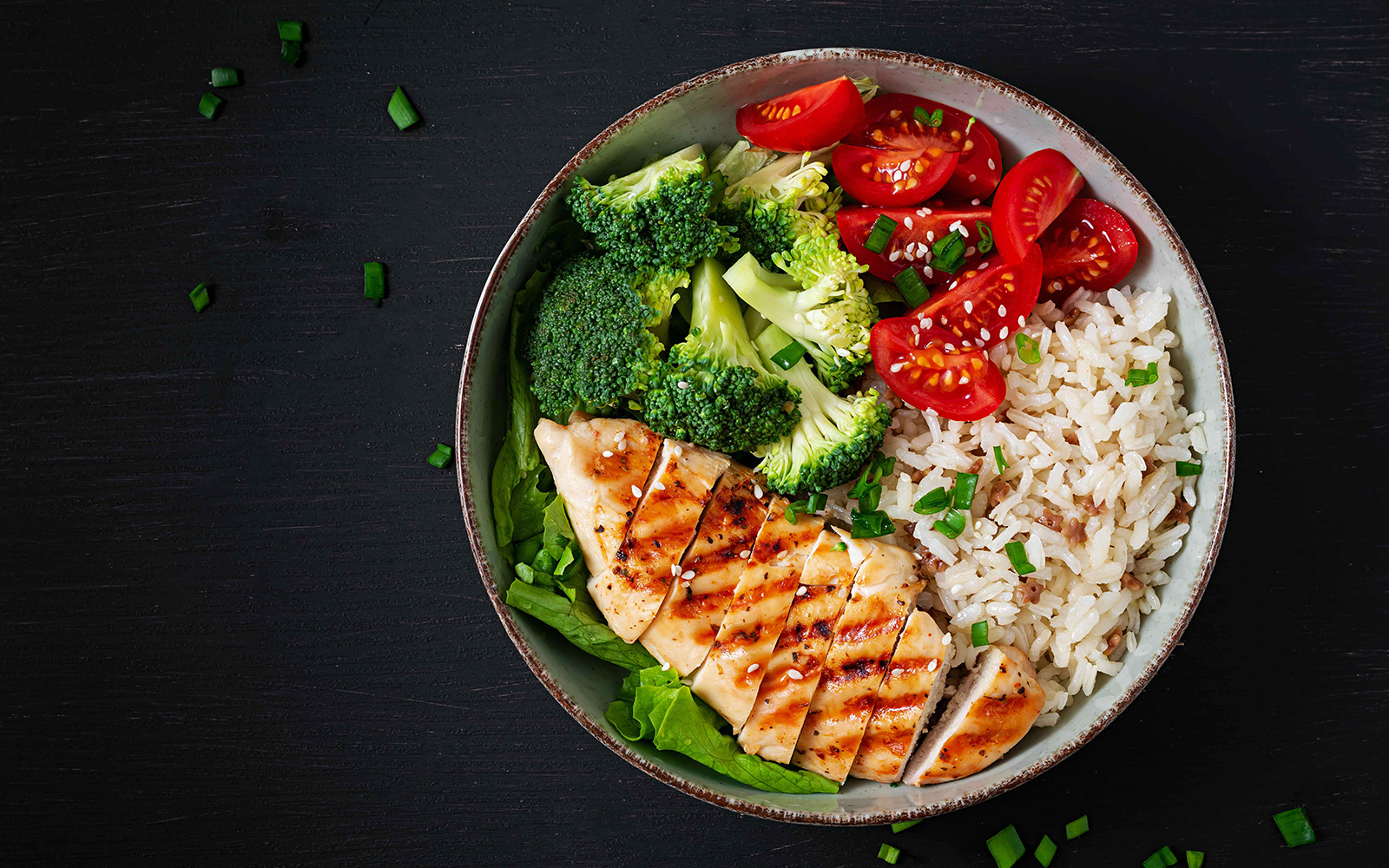
Firstly, rice does not have to be eliminated from a diabetic diet. While rice contains starch that breaks down into glucose, so do other carbohydrate-rich foods like noodles, bread, and potatoes. The key is portion control and balanced meals. Following the health ministry's "Suku-Suku Separuh" guide can help. Fill half your plate with non-starchy vegetables, one-quarter with lean protein like fish, chicken, tofu, or eggs, and the remaining quarter with rice. This approach allows you to enjoy rice without it dominating your plate.
Secondly, not all sweet fruits are off-limits for diabetics. Fruits like mangoes, bananas, and papaya provide fiber, vitamins, and minerals along with their natural sugars. The focus should be on portion sizes rather than completely cutting out sweet fruits. Serve a small portion using a small Chinese rice bowl or a tea cup to guide your serving size.
Thirdly, natural sugars like honey and gula Melaka are not inherently safer for diabetics. Despite their natural origins, these sugars still contain carbohydrates that raise blood glucose levels. The origin of sugar does not justify unlimited consumption. Instead of viewing honey and gula Melaka as "safe sugars," it's important to gradually reduce overall sugar intake. Opt for unsweetened beverages and remember that "kurang manis" (less sweet) still allows for some sweetness.
Fourthly, sugar-free products are not automatically the best choice for diabetics. While the label may seem reassuring, sugar-free biscuits can still contain flour, contributing to carbohydrate intake and potentially raising blood glucose. Additionally, they may have similar or higher fat and calorie content compared to regular biscuits.
It's crucial to scrutinize the nutrition label, focusing on the carbohydrate content and serving size. Even though a sugar-free product may be labeled as such, it's essential to consider the overall nutritional value and appropriate portion size.
Lastly, enjoying dessert does not mean giving up on a balanced diet. While it may feel isolating at family gatherings, diabetics can still indulge in their favorite treats. The key is portion control and moderation. Instead of sampling multiple desserts, choose a small piece of your favorite kuih and pair it with unsweetened tea instead of sugary options like teh tarik. Your dietitian can assist in integrating occasional treats into a well-rounded eating plan tailored to your needs.
Understanding the reasoning behind diabetes food advice can alleviate concerns and empower individuals to make informed choices. Healthy eating with diabetes should provide clarity and confidence while still allowing you to enjoy Malaysian flavors and shared meals.
Written by urgent.news from Free Malaysia Today's reporting — not their text. Machine-written — may contain errors; check the original before relying on it.