What to know about dengue fever as Florida reports more than 500 cases this year
As Florida navigates its largest dengue outbreak in more than 15 years, it might help to understand how this virus spreads and how to recognize symptoms and protect yourself.
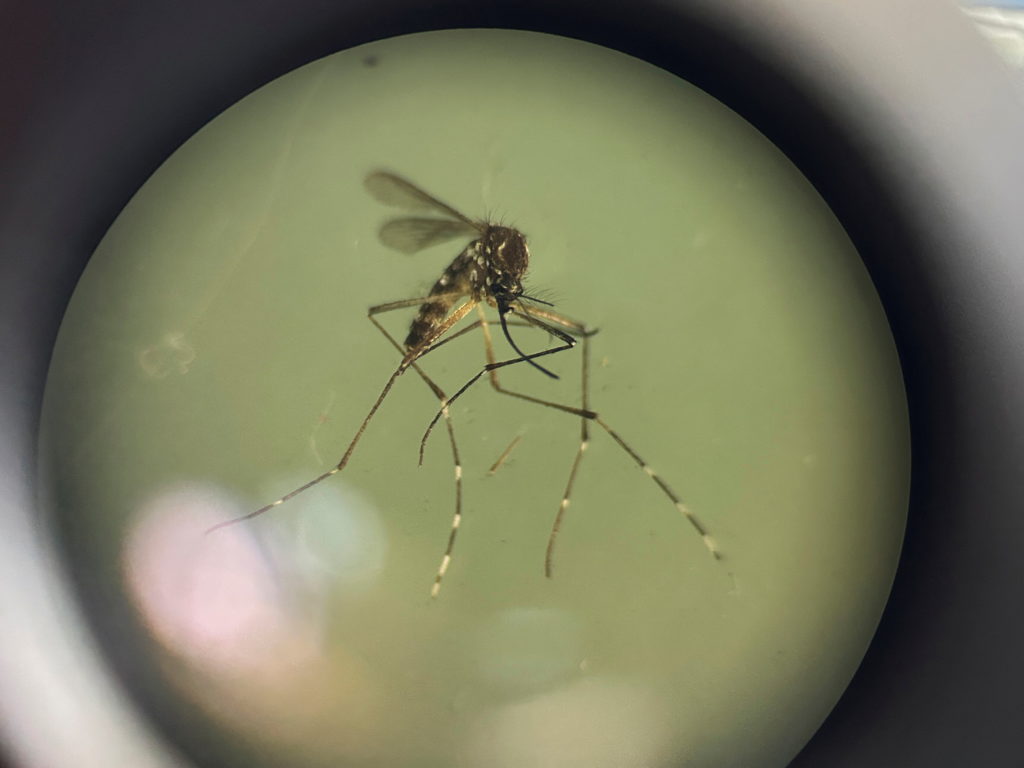
Florida has experienced its largest dengue fever outbreak in over a decade, with more than 500 cases reported in 2026. The virus is transmitted through the bite of infected Aedes mosquitoes, with no vaccine available for prevention. Symptoms include high fever, headache, nausea, and severe pain in various body parts. Around 1 in 20 cases can develop severe dengue fever, which is life-threatening.
Severe symptoms include rapid breathing, blood in stool or vomit, and skin or mucous membrane bleeding. There is no specific cure or treatment, but rest, hydration, and acetaminophen can help manage symptoms. If severe dengue occurs, medical professionals may provide blood transfusions or intravenous fluid and electrolyte replacement.
Dengue is dangerous because a second infection with a different dengue virus can lead to more severe symptoms than the first infection. The climate and abundant standing water in Florida provide ideal breeding conditions for Aedes mosquitoes, which can lead to rapid multiplication of the virus and substantial outbreaks like the one being experienced this year.
Written by urgent.news from PBS NewsHour Health's reporting — not their text. Machine-written — may contain errors; check the original before relying on it.