What Southeast Asian newsrooms struggling to attract Gen Z can learn from creators
For Malaysian content creator Iqbal Fatkhi, making news content credible to younger audiences sometimes means making it less like traditional journalism. Instead of polished broadcasts using formal language, the 33-year-old editor-in-chief of news portal CiliSos Media prefers conversational videos that speak to audiences on their own terms. “It’s ironic in a way that, to gain credibility, you…
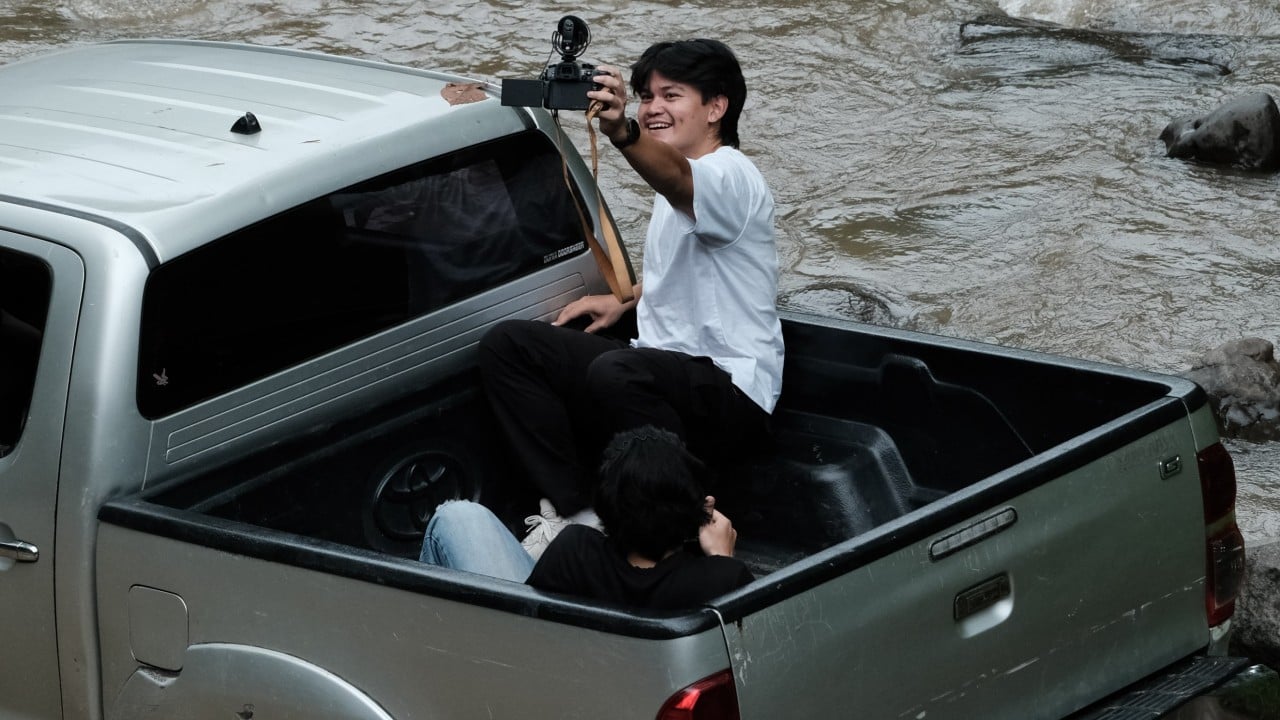
Southeast Asian newsrooms are finding ways to engage Gen Z audiences who are increasingly turning to social media creators for their news. Malaysian content creator Iqbal Fatkhi believes credibility can be achieved by adopting a more conversational style in news content. This reflects a broader trend, with a Reuters Institute report finding that 51% of social media users aged 18 to 24 get their news from individual creators on social and video platforms, compared to 39% who still rely on traditional media sources.
The shift is particularly noticeable in Southeast Asia, where social media usage is heavy. Indonesian creator Ananda Bhuwana explains that younger audiences prefer video content for complex subjects, as it is visually engaging. However, attracting viewers is only part of the challenge; building trust is equally important. Professor Edson Tandoc notes that with younger audiences, accessibility often takes precedence over credibility when choosing news sources.
While creators make news entertaining and easier to understand, the fact remains that audiences still turn to established news organisations for reporting, especially during major crises. Credibility is increasingly associated with a personal touch, but popularity alone does not equate to trust. Experts suggest that newsrooms can learn from content creators by encouraging journalists to adopt a more creator-like approach, combining rigorous reporting with a more personal, accessible voice.
Written by urgent.news from South China Morning Post's reporting — not their text. Machine-written — may contain errors; check the original before relying on it.