Washington risks misinterpreting Iran's 'peacemaker', according to analyst
Mohsen Rezaei is reportedly seen by US intelligence as the figure best placed to deliver a deal across Tehran’s factious institutions.
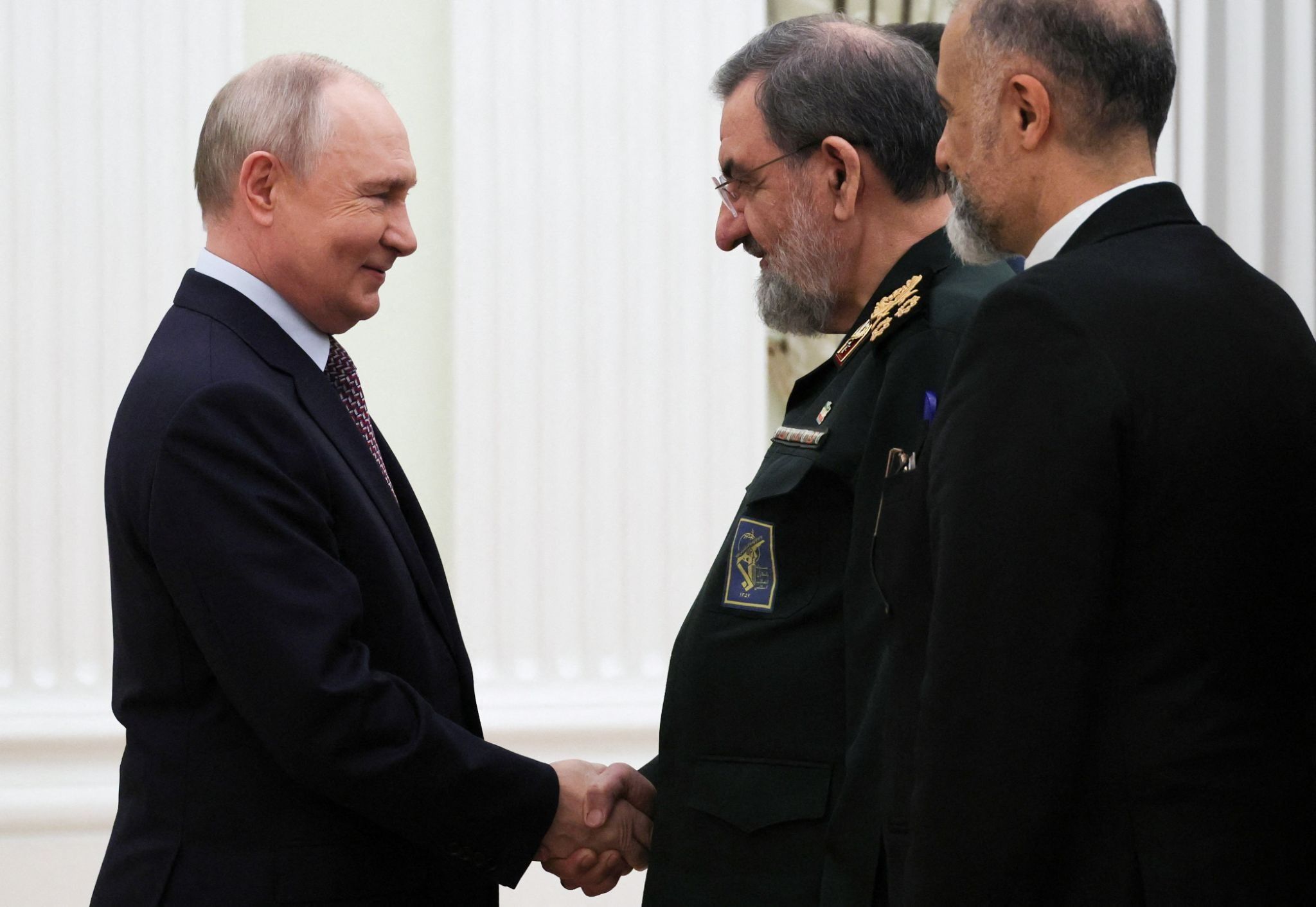
According to Iran analyst Alex Vatanka, the United States risks misinterpreting Mohsen Rezaei's recent rise in prominence as a willingness to make concessions. Rezaei, the former Revolutionary Guards commander and now secretary of Iran’s Supreme National Security Council, has caught the attention of US intelligence as the key figure capable of delivering a deal through Tehran’s divided institutions.
However, Vatanka, writing for the Saudi-owned magazine Al Majalla, points out that Rezaei's return to power is not a result of public legitimacy. He lost four presidential bids and his economic proposals were often ridiculed. Instead, his comeback is due to a leadership vacuum following the war and the establishment of a network of IRGC loyalists over the years, as detailed by Vatanka.
While Rezaei initially welcomed the tone of a letter from US Vice President JD Vance, he quickly insisted that Washington must first accept Iran’s terms. His stance has since become more extreme, with Rezaei stating that not "a single speck" of enriched uranium would leave Iran, as Iran needs it to construct nuclear-powered submarines.
This position directly contradicts the core demand from the US. His appointment to his current role was driven by hardline factions unhappy with the handling of negotiations by parliament speaker Mohammad Bagher Ghalibaf, according to a Crisis Group analyst speaking to Radio Free Europe.
Written by urgent.news from Semafor's reporting — not their text. Machine-written — may contain errors; check the original before relying on it.