Scores of Bangladesh garment factories shut in wage strike
DHAKA: Scores of Bangladeshi garment factories were shut on Thursday as protesting workers demanded higher wages, prompting owners to consider withholding pay from those on strike.
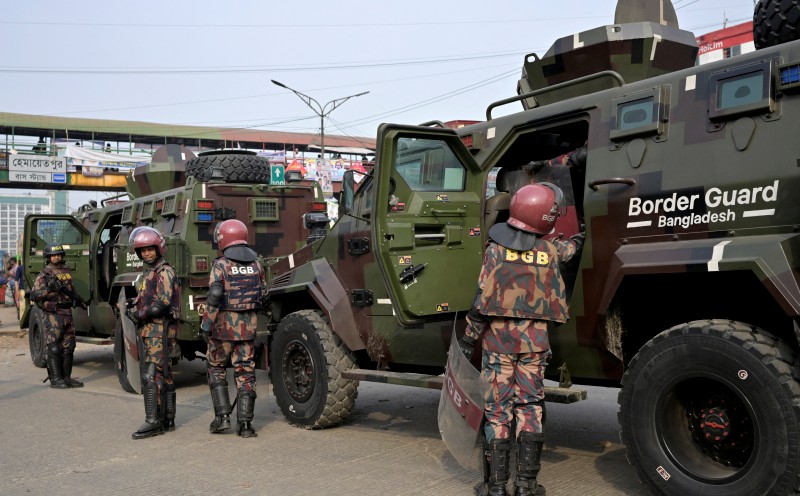
On Thursday, numerous garment factories in Bangladesh were closed down due to a wage strike, as workers demanded higher wages. Factory owners were left pondering the possibility of withholding salaries from striking employees. The ongoing strike, which started in October, could potentially disrupt an industry that generates approximately US$38 billion annually, constituting four-fifths of Bangladesh's export earnings and employing over four million workers.
The Bangladesh Garment Manufacturers and Exporters Association (BGMEA) has urged for restraint while wage discussions continue. With a population of 170 million people, Bangladesh ranks as the world's second-largest garment exporter, following China, and caters to prominent international fashion brands. Workers in significant industrial zones of Gazipur, Ashulia, and Savar reported to their factories but declined to work, attempting to march through the streets where they were met by police.
Mohiuddin Rubel, additional managing director of Denim Expert Ltd and a former BGMEA director, stated that the repercussions of these disruptions are substantial, affecting businesses, workers, the economy, and potential buyers' confidence in Bangladesh as a sourcing destination. The Bangladesh garment wage board reached an agreement on November 4 to increase the minimum wage in the crucial sector following days of protests; however, the new wage rate has not been announced yet and is set to commence in January.
Workers are seeking a minimum monthly wage of 30,000 taka (US$240), representing a 140 per cent increase from the present 12,500 taka. Protests recommenced on Wednesday, with over 100 garment factories reportedly closed, according to BGMEA sources. BGMEA officials convened an emergency meeting on Wednesday, expressing that factory owners are contemplating a "no work, no pay" policy.
The negotiations at the wage board and the unrest in factories cannot proceed concurrently, according to BGMEA president Mahmudul Hasan, as reported by the Prothom Alo newspaper.
Written by urgent.news from New Straits Times's reporting — not their text. Machine-written — may contain errors; check the original before relying on it.