Climate progressives won the midterms without saying ‘climate’
How the ideas behind the Green New Deal got an update for the Trump era.
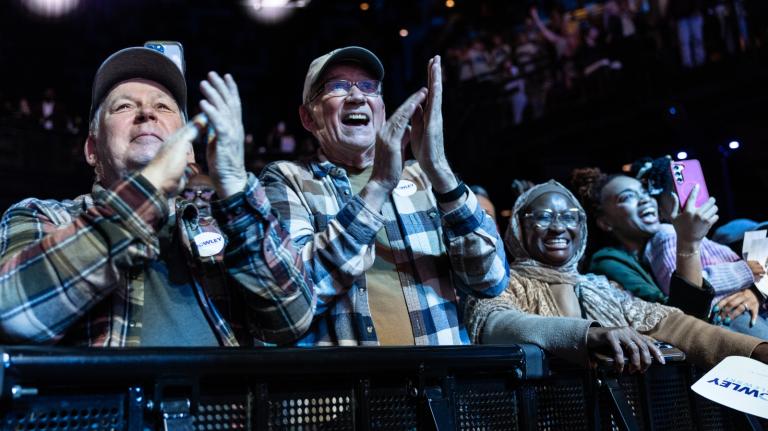
In the recent midterms, climate progressive candidates secured victories without explicitly mentioning the phrase "Green New Deal." In Michigan, Abdul El-Sayed, who had previously advocated for the Green New Deal, did not use the term during his Senate race debate. Instead, his opponent, Mike Rogers, used the phrase as an attack against El-Sayed and the Democratic party. Despite this, El-Sayed won the race.
According to Patrick Bigger, research director at Climate and Community Institute, El-Sayed belongs to a new breed of green economic populists who use the urgency of climate action to connect with voters' concerns about rising utility bills and wealth concentration among a few corporations and individuals. Bigger's analysis of the primary and midterm elections' candidates found those who promote renewable energy, address the rising cost of living, and blame wealthy corporations for these issues check all the right boxes as climate champions.
Other progressive candidates, such as Will Lawrence, who will represent Michigan's 7th District in Congress, have also emphasized climate action in their platforms. Lawrence's focus on water, climate, and energy policy suggests he will be a "knowledgeable and dedicated" member of Congress on these crucial matters.
While not all climate progressives are avoiding the term "Green New Deal," some, like Representatives-elect Claire Valdez and Darializa Avila Chevalier in New York City, have named it explicitly in their campaign materials. This shift in messaging tactics reflects the changing nature of the climate movement since the Trump administration, with progressives recognizing that climate policy should be intertwined with the economy, infrastructure, and foreign policy.
Sunrise Movement's Aru Shiney-Ajay attributes this evolution to the worsening climate crisis and argues that climate policy should be the defining framework for societal decisions. Despite some setbacks, the public's growing concern for the climate crisis suggests that momentum for action is building.
Written by urgent.news from Grist's reporting — not their text. Machine-written — may contain errors; check the original before relying on it.