New research could lead to faster, trustworthy AI models for climate prediction
MIT scientists developed a training method to generate models that simulate the effects of human activities on climate much more quickly than other approaches.
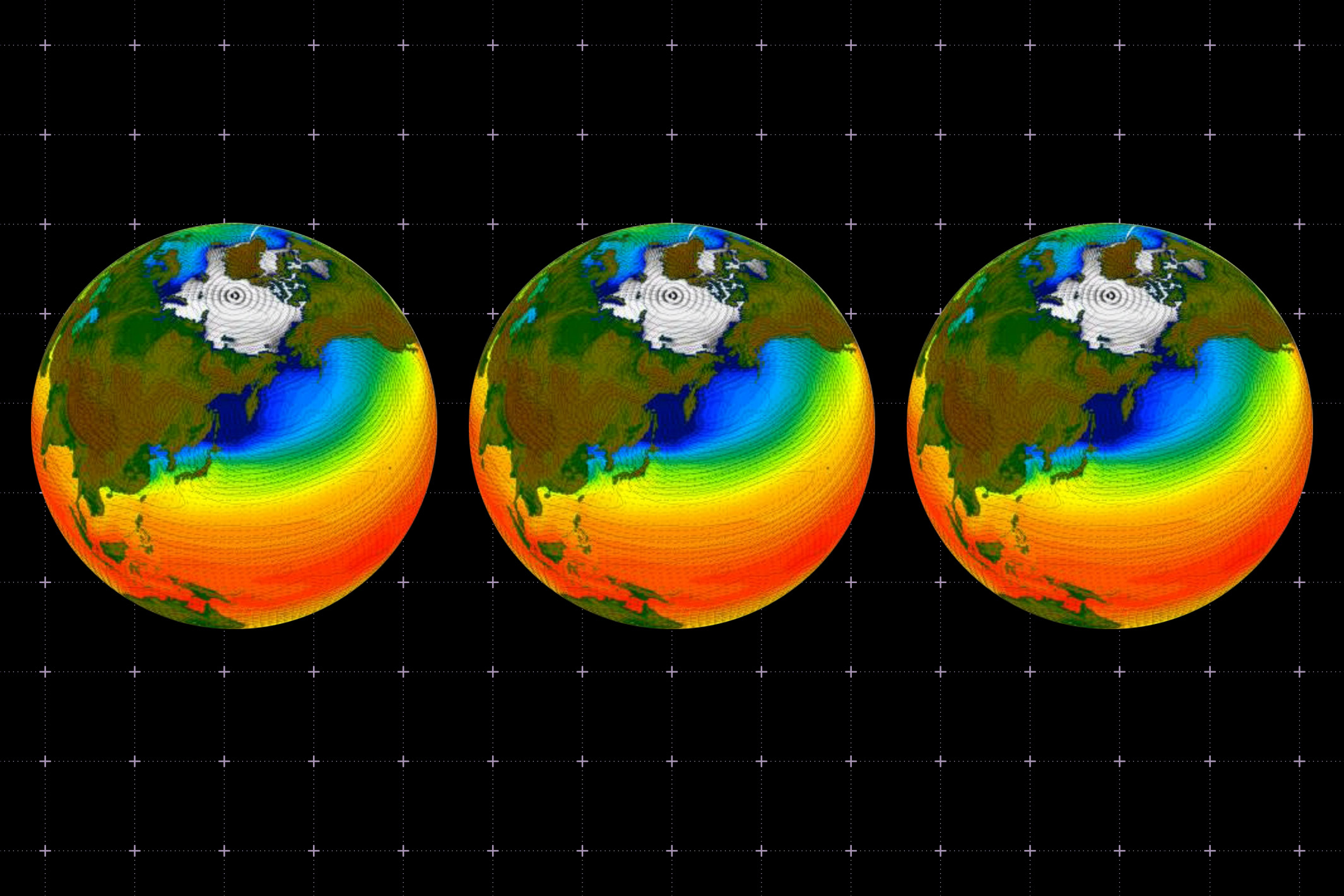
For accurate climate projections to be useful, researchers need efficient AI models that can simulate the effects of various human activities on future climates. MIT scientists have now developed a technique to create rapid, precise, and adaptable artificial intelligence models called climate emulators. These emulators can simulate the impact of climate change on temperatures or sea levels in a matter of seconds, enabling scientists to test thousands of scenarios efficiently.
Traditionally, climate emulators rely on a limited amount of data generated from extensive physics-based models known as earth system models (ESMs). These models, while powerful, require months to run simulations for just a single possible future climate scenario. The MIT researchers devised a training technique that enhances the performance and adaptability of climate emulators using significantly less data.
This reduction in data requirements leads to a substantial decrease in production time for these practical scientific tools.
The researchers found that an emulator trained with a smaller, carefully selected set of synthetic data could still accurately predict outcomes of scenarios it had not encountered during training. This breakthrough allows scientists to quickly produce more reliable emulators, fostering better trust in their outputs for policy-making decisions.
"We can speed up the production of much more reliable emulators, so we can better trust their outputs for making policy decisions," says Christopher Womack, the lead author of the study and a postdoc at ETH Zurich.
The research, published in the Proceedings of the National Academy of Sciences, offers a faster alternative to traditional emulators and enhances their utility for policy formulation.
Written by urgent.news from MIT News AI's reporting — not their text. Machine-written — may contain errors; check the original before relying on it.