Meet the people who want peptides to be made in America
This is Optimizer, a weekly newsletter sent from Verge senior reviewer Victoria Song that dissects and discusses the latest gizmos and potions that swear they're going to change your life. We'll be taking a break next week and will be back on November 25th. Opt in for Optimizer here. The SS Jeremiah O'Brien is a […]
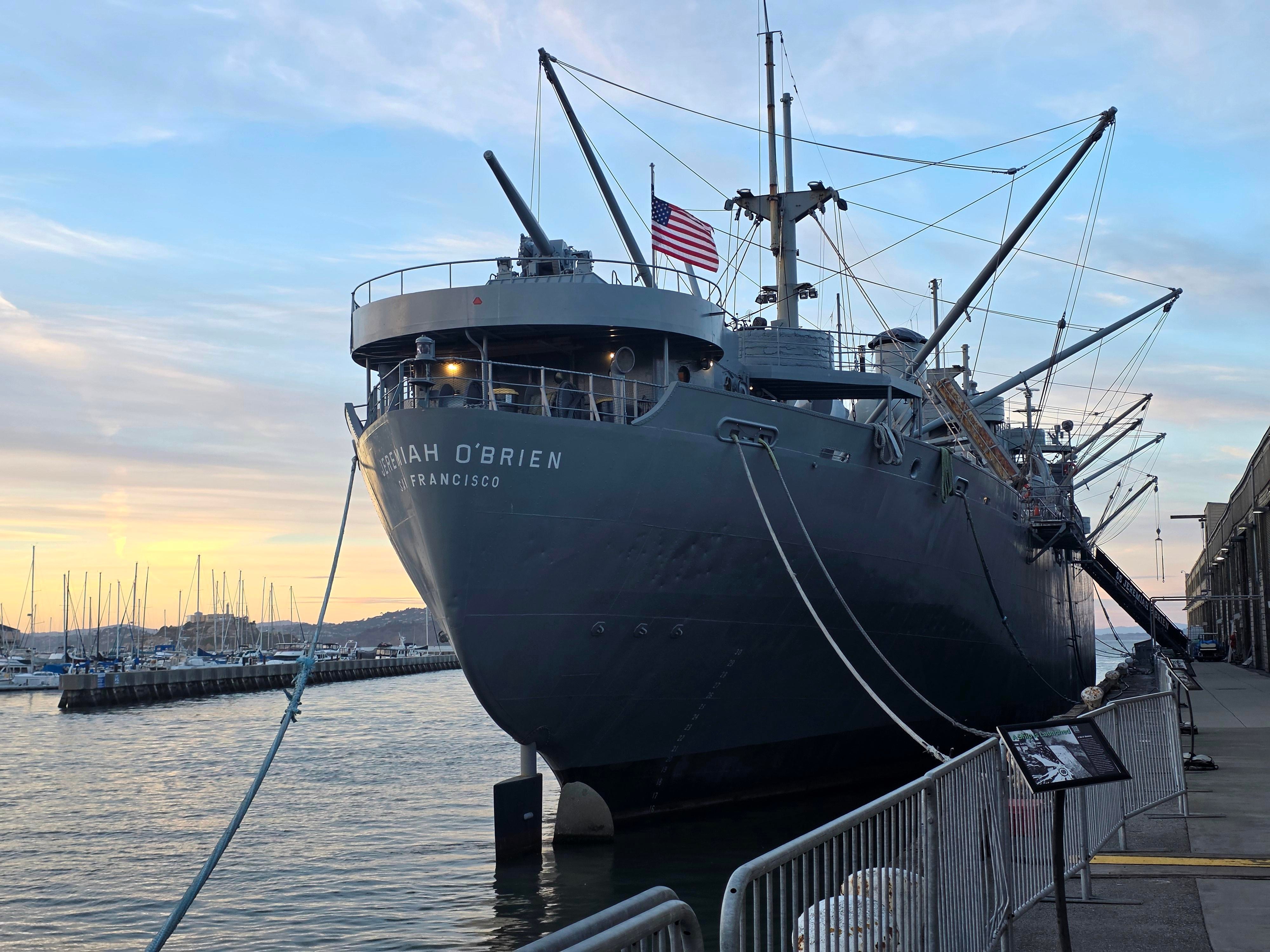
This week's newsletter, "Optimizer," examined the growing interest in peptides made in America. The event took place on the SS Jeremiah O'Brien, a World War II Liberty ship, which was built in 56 days and made 11 trips to Normandy during World War II. At the black-tie gathering, about 150 people were present and offered four types of peptide samples, including a topical cream with GHK-Cu and three dissolvable sublingual strips from peptide startup Afterglow.
The evening's focus wasn't solely on the state of peptides but also on the importance of having the pharmaceutical supply chain centered in the United States. The HHS recently implemented an interim policy decision allowing certain unapproved peptides for compounding, which has sparked controversy. While FDA career scientists have not endorsed the decision, it might seem that way to the average person.
The party's organizers — Roxana Grunenwald, Yuva Krishnapillai, and Elia Ahmadi — are venture capitalists from Haus Fund, a biotech accelerator. They aimed to make the case for American peptides by hosting the event on a wartime cargo ship, where guests received stickers and hats with the phrase "My Peptides Are Made in America."
The push for American manufacturing is not unique to this group; Hims & Hers, a well-known telehealth brand, is also promoting the idea. However, the reality is that it's challenging to return to "Made in America" after years of transforming the country into a services-based economy. Pharmaceuticals have also become increasingly globalized, with 51% of US prescription active pharmaceutical ingredients (APIs) coming from India and the European Union, and China accounting for 10%.
The organizers argue that gray-market peptides, primarily sourced from China, raise concerns for American consumers. They claim that without the ability to purchase American peptides, consumers have little recourse if something goes wrong. According to one organizer, "This is not a blanket criticism of China. This is not a criticism of Chinese people. America needs to be able to make its own medicines."
The HHS's interim decision is seen as a potential solution to the gray market problem, as it enables compounding pharmacies to build a supply chain that adheres to US consumer safety laws. This could provide the FDA with more clarity on how to effectively regulate the market. The organizers firmly believe that peptides should be American-made and both compounded and verified on American soil.
They argue that the push for this change is not only necessary for consumer safety but also to set global standards for quality and safety in this emerging space.
Written by urgent.news from The Verge's reporting — not their text. Machine-written — may contain errors; check the original before relying on it.
This story
This is one outlet's version. Read the fullest account.