We can't see Fast Radio Bursts but we can now hear them thanks to a Finnish Cathedral
Fast radio bursts are invisible, but a composer has turned thousands of them into sound at a Finnish cathedral, where a choir will sing along on Nov. 21.
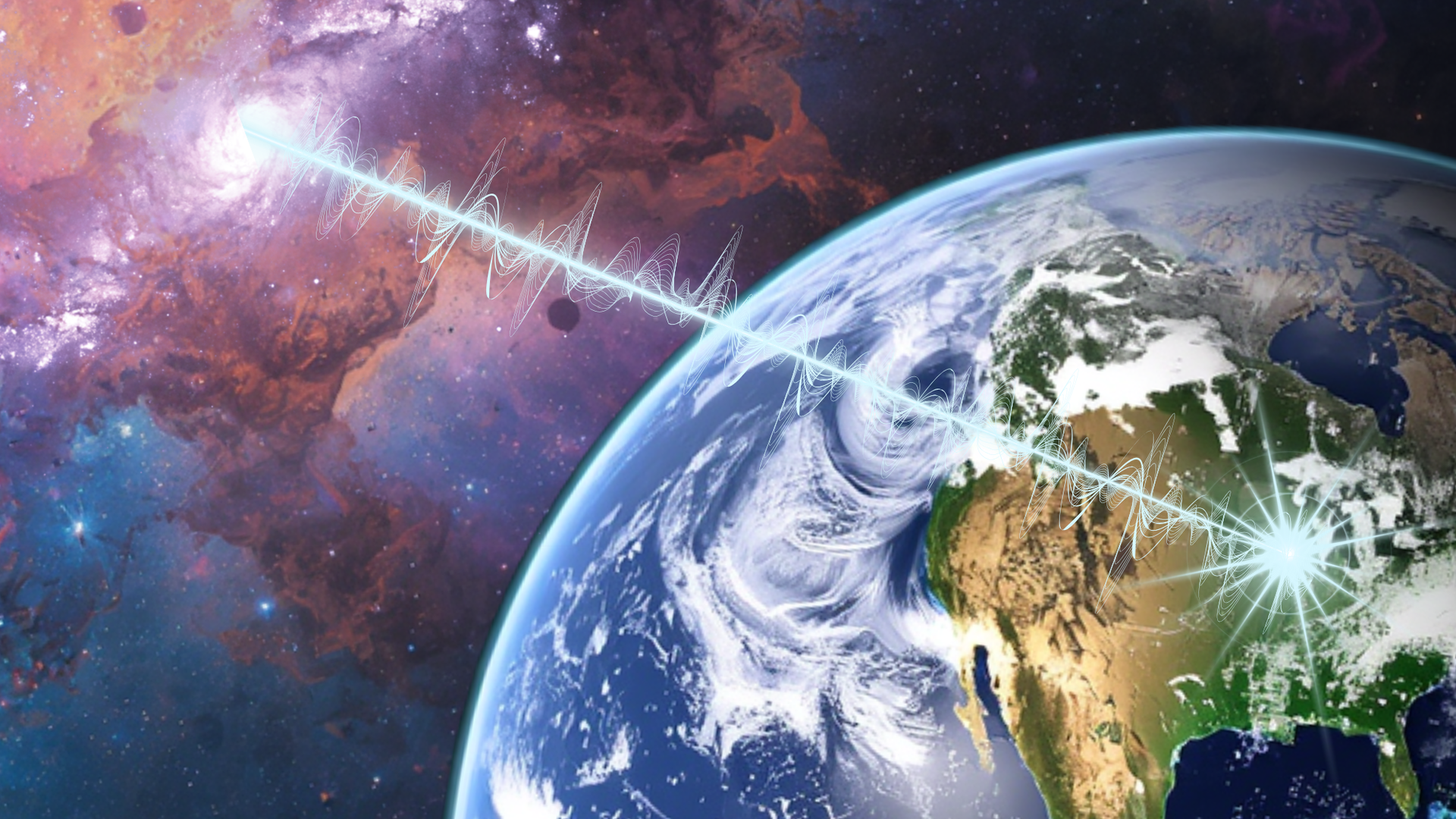
Fast radio bursts, or FRBs, are mysterious flashes of energy from distant galaxies that are invisible to the human eye. These cosmic flares, which release as much energy in a millisecond as the sun does in three days, can only be detected through their radio waves. Since their discovery in 2007, astronomers have identified thousands of FRBs, but the source of these powerful bursts remains unclear. Recent findings suggest that at least one FRB originates from the environment around a rotating neutron star.
Detecting these fleeting signals is challenging, as telescopes must be precisely aligned with the correct section of the sky at the exact moment of the burst. However, CHIME, a Canadian observatory, has revolutionized the field. With a wide field of view and powerful data processing capabilities, CHIME detected over 4,500 FRBs during its first four years, significantly increasing our knowledge of these enigmatic events.
To make FRBs audible to human ears, artist Andrew Melchior and physicist Kiyoshi Masui have transformed them into sound. Their installation, The Logos, features a daily performance at Oulu Cathedral in Finland since April. The composer mapped the data from each real signal onto varying musical pitches, played through 12 loudspeakers scattered throughout the cathedral. The tones range from humming and rumbling to popping and whistling, reflecting the bursts' origin from billions of years ago to the most recent ones.
FRBs also continue to surprise researchers with new discoveries. Recently, the James Webb Space Telescope identified the host galaxy of the most distant FRB yet, formed when the universe was only about 3 billion years old. This finding supports a theory that FRBs originate from highly magnetic neutron stars called magnetars, which produce bursts shortly after a massive star's explosion.
On November 21, 30 singers will join the audience in Oulu Cathedral, singing back to the sky in Finnish while Melchior plays the bursts live, offering a unique and immersive experience of these cosmic phenomena.
Written by urgent.news from Space.com's reporting — not their text. Machine-written — may contain errors; check the original before relying on it.