SUPPLY CHAIN DISRUPTION: Business casts a wary eye on Port of Durban as cargo delays persist
Businesses are anxiously checking their watches while cargo flows through the Port of Durban remain slower than they need to be, but undoing neglect will probably take longer than we hope.
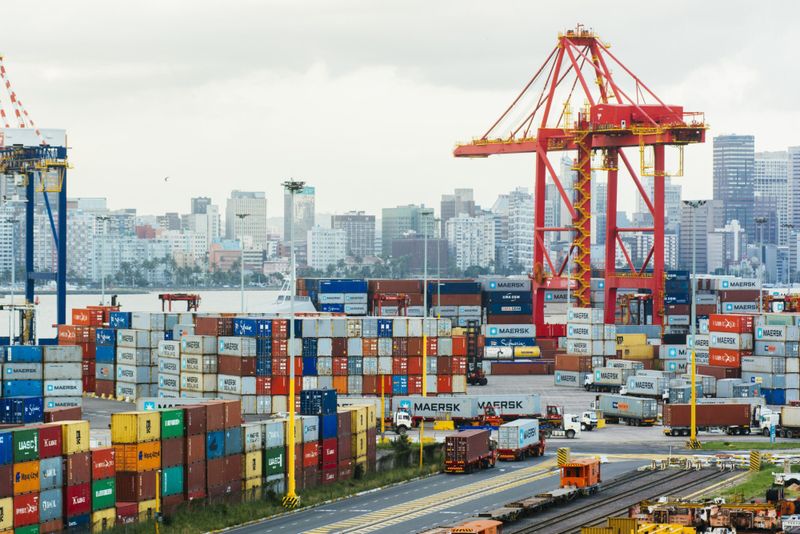
Businesses are growing increasingly concerned about the delays at the Port of Durban, as cargo movements remain slower than necessary. The issue extends far beyond just ships waiting outside the port; South African factories are also experiencing disruptions, resulting in financial losses for numerous companies. John Bowman, owner of a company that produces refuse collection equipment, expressed frustration with the situation, although he noted that recent improvements have occurred. However, his company is not alone in facing the consequences of these delays.
Durban's problems are not new nor isolated; they have garnered significant attention. Dave Watts, a maritime consultant, emphasized that Durban experiences two peak shipping seasons – one from April to October (due to citrus season) and another near the end of the year (Black Friday, Christmas, and industrial firms finishing their year-end activities). Watts highlighted that having 12 ships outside the port at any given time is excessive, causing a "train smash," as it slows down the turnaround process.
The slow turnaround times are detrimental to the economy, as they contribute to the decreasing percentage of freight carried by rail in South Africa. According to recent data, this figure has dropped from around 22% in the mid-2010s to under 15% in 2025. Watts explained that when a vessel arrives, it may not receive any service for 12 days, followed by a four-day service period, totaling 16 days before the vessel is eventually released. This, combined with significant congestion on the land side, leads to further delays.
The backlog at the DGT (Durban Gateway Terminal) has been a primary concern, adding around 20 days to supply chains. While the situation has stabilized somewhat, it has not yet recovered. The DGT has seen stronger weekly throughput, but this has not produced sustained backlog reduction. The issue was already prominent in 2023 when Transnet faced criticism for delays at the port, though current conditions appear to be worse than before.
The South African Freight and Logistics Association (Safla) and the Citrus Growers' Association work with Dave Watts, who stated that Transnet and the foreign operator, Ictsi, are under scrutiny for the backlog at the DGT. Watts believes that Ictsi, despite being bought by the Philippines-based port management company Ictsi, made a hasty decision without proper due diligence.
Transnet has stated that they provided all operational and financial statistics prior to the handover, but Watts suspects that Ictsi's commercial instincts make them reluctant to disclose the severity of the situation.
The responsibility for managing DGT is shared between Transnet (51%) and Ictsi (49%), potentially leading to misunderstandings and confusion over who is in charge. This situation is further complicated by road issues, as vehicles traveling from the port to national freight routes share the road with regular passenger vehicles, causing chaos when half of South Africa's containerized freight volumes move through DGT.
In summary, the Port of Durban's delays present a significant challenge to South Africa's economy, affecting factories and businesses across various sectors. Despite some improvements, the issue remains unresolved, and calls for better coordination between Transnet and Ictsi are mounting.
Written by urgent.news from Daily Maverick's reporting — not their text. Machine-written — may contain errors; check the original before relying on it.