CSIR expert questions engineering supervision amid recurring building collapses
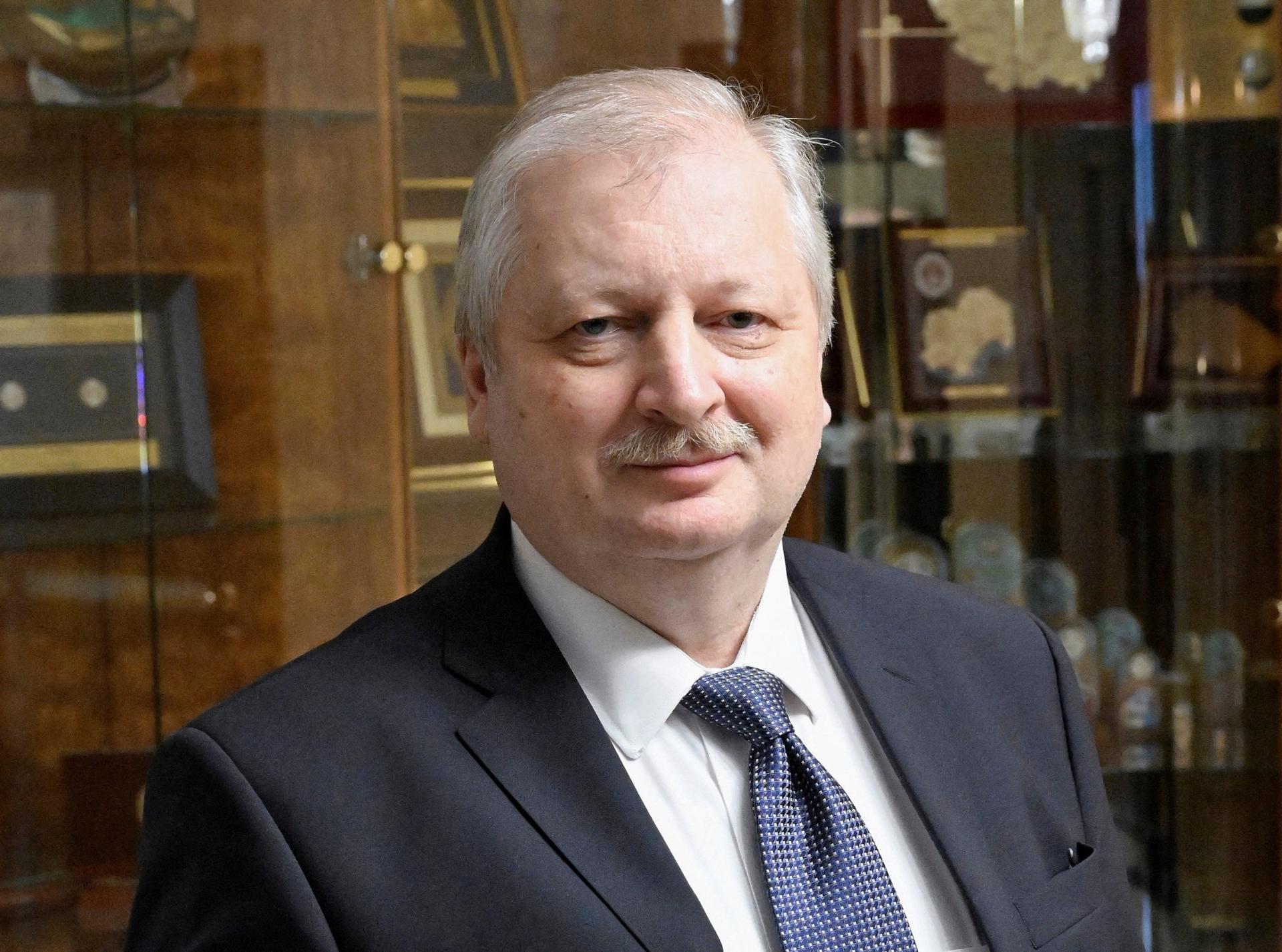
The Head of the Advanced Materials Science Division at the Council for Scientific and Industrial Research (CSIR), Ing. Professor Mark Bediako, has questioned the effectiveness of engineering supervision and the understanding of concrete quality among professionals responsible for construction in Ghana. He says recurring building collapses highlight the need for engineers and other construction…
Ing. Professor Mark Bediako, Head of the Advanced Materials Science Division at the Council for Scientific and Industrial Research (CSIR), has raised concerns about engineering supervision and the competence of construction professionals in Ghana. He emphasized that recurring building collapses underscore the need for engineers and other construction workers to enhance concrete production methods, bolster oversight, and strictly follow construction regulations.
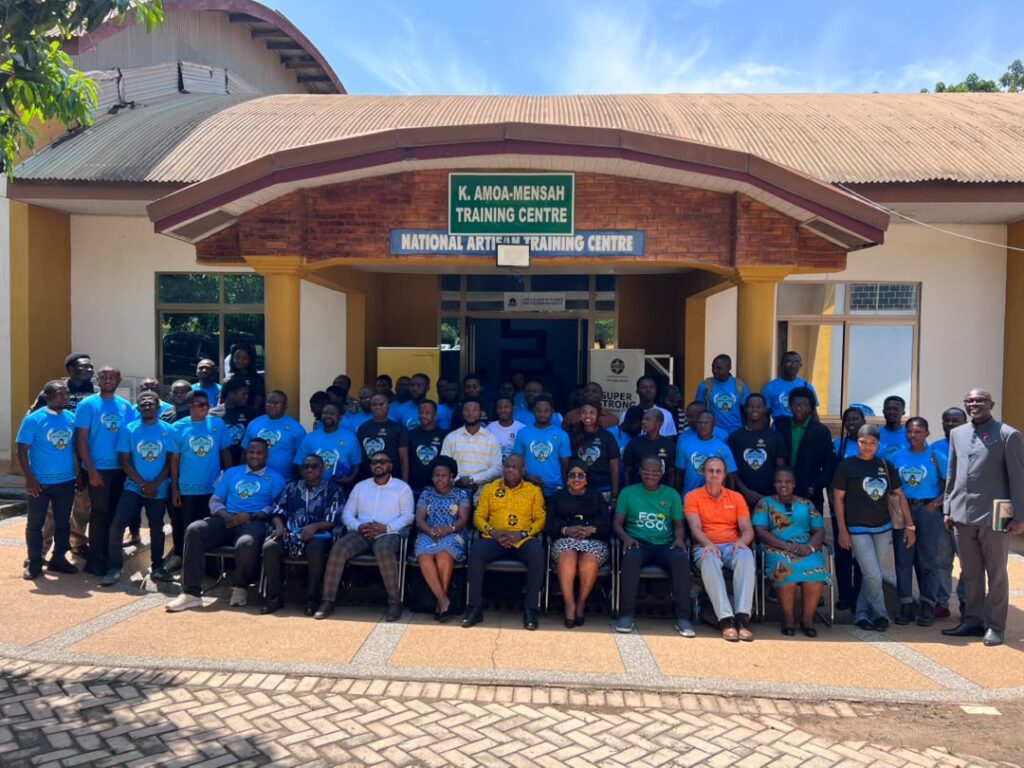
Speaking at the second edition of the Concrete Made Right training initiative, Prof. Bediako pointed out inadequate understanding of concrete properties and cement selection as significant challenges in the construction sector. "Sometimes, even choosing the right cement is a big problem," he noted, adding that failing district buildings were a common occurrence. He questioned the qualifications and performance of engineers, asking if they were adequately performing their duties.
The training, according to Prof. Bediako, aims to provide engineers and other professionals in district assemblies with the necessary technical expertise to enhance construction practices. He expects that after completing the training, these professionals will prioritize the quality of concrete and supervision, ensuring the country's infrastructure is built effectively.
The first edition of the training, held in February, targeted masons and artisans, using local languages to make complex technical concepts more accessible. The second edition, however, focused on professionals involved in the built environment, mainly engineers working with Metropolitan, Municipal, and District Assemblies. Prof. Bediako mentioned that the program would expand into basic, intermediate, and advanced training stages, covering advanced concrete mix designs, chemical admixtures, and emerging construction technologies.
Senior Lecturer and Consulting Engineer at Kwame Nkrumah University of Science and Technology (KNUST), Dr Bennetta Koomson, called for stronger ethical standards among construction professionals. She argued that technical knowledge alone was insufficient to guarantee safe buildings; professionals must adhere to construction standards even when unmonitored.
"If nobody is watching you, what are you doing?" she inquired. Dr Koomson stressed the importance of selecting appropriate building materials and understanding the science behind concrete, vital for constructing durable structures. She also advocated for using suitable building materials to enhance indoor comfort and decrease reliance on air conditioning, noting Ghana's tropical climate provides opportunities for more energy-efficient construction.
Kofi Kyere, Commercial Director of GHACEM (Ghana Hydraulic Cement Exporters' Association), explained that the company's support for the initiative stemmed from the realization that high-quality cement does not necessarily translate to quality concrete. Poor mixing techniques, inappropriate aggregates, and contaminated water could all compromise concrete quality, regardless of the standard cement used.
He urged participants to implement their newfound knowledge in their workplaces to improve concrete mixing, minimize construction waste, and achieve better building results.
Prof. Bediako urged policymakers and local government authorities to support the initiative, emphasizing the role of district assemblies in enforcing building regulations. He stressed the necessity of collaboration among government institutions, researchers, industry players, and construction professionals to improve building standards and promote safer structures across Ghana.
Written by urgent.news from MyJoyOnline Ghana's reporting — not their text. Machine-written — may contain errors; check the original before relying on it.