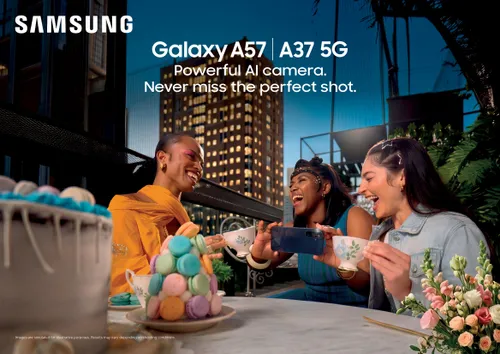
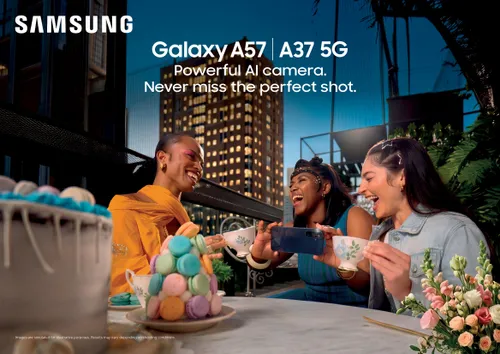
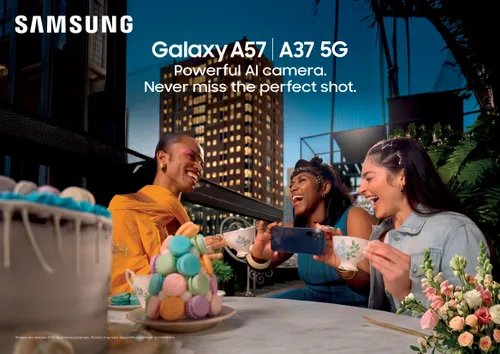
Samsung Electronics ranks first place in Africa’s smartphone market revenue in the first half of this year
Following the achievement of first place with first-quarter revenue, Samsung ranked first in both revenue and unit sales in the second quarter
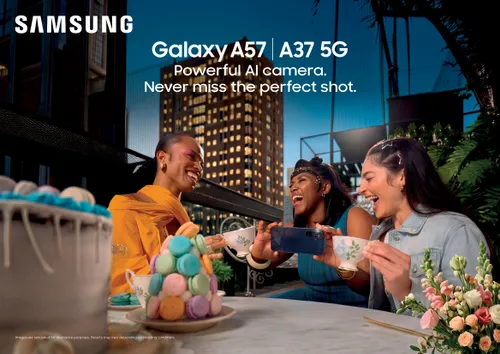
Samsung Electronics emerged as the top-ranked player in Africa's smartphone market in the first half of 2026, according to market research firm TechInsights. The company's introduction of a flexible payment option, allowing customers to pay for devices in daily or weekly installments, appears to have been a key driver of its success. This strategy aligned well with local income structures in Africa, where monthly salaries are not prevalent.
While total smartphone sales in the African market declined by 16.6% year-on-year in the second quarter, Samsung's unit sales surged by 34.8%. On an annual basis, Samsung is expected to maintain its first-place position in both revenue and unit sales, with a 38.7% share of the sales value and a 38.7% share of the unit volume.
Global smartphone leader Samsung Electronics identified Africa as a challenging market, where ultra-low-priced products around $100 dominate the landscape. In 2024 and 2025, Samsung's share of smartphone unit sales in Africa stood at 22.4% and 26.5%, respectively. The company's forecast for the full year 2026 saw a remarkable increase of more than 16 percentage points in its market share.
Samsung's differentiation from competitors was evident in its focus on providing "phones that can be trusted for the long term" rather than competing solely on price. The company's flagship Galaxy A series offers up to seven years of operating system and security updates, along with Samsung Knox security. This focus on long-term reliability resonated with African consumers, who view their phones as both personal devices and financial tools.
The GSM Association reported that mobile money transactions in sub-Saharan Africa reached $1.4 trillion in the previous year, accounting for approximately two-thirds of the global transaction value. For many individuals, mobile money serves as their sole financial account. This reliance on mobile devices for various financial transactions underscores the importance of phone security in protecting financial assets.
To bridge the gap between "a phone I want" and "a phone I can buy," Samsung introduced daily and weekly installment plans. This approach addressed the initial purchase cost barrier, which typically ranges from $200 for major models in the Galaxy A series. With monthly incomes in the region spanning from $100 to $500, many people find it challenging to save a lump sum for a device purchase. The success of Samsung's installment program was noteworthy, contributing to 46% of the company's smartphone revenue in Africa.
As the initial purchase burden diminished, sales of premium products, notably the Galaxy S and Z series devices, saw a 20% increase year-on-year. Samsung's strategic focus on long-term trustworthiness and tailored payment options has positioned the company as a dominant force in Africa's competitive smartphone market.
Written by urgent.news from IOL's reporting — not their text. Machine-written — may contain errors; check the original before relying on it.
This story
This is one outlet's version. Read the fullest account.