Modi Is Losing His Grip on Dissent
The crackdown on India’s protests has looked less like a show of force than an admission of fear.
For over a decade, Prime Minister Narendra Modi's administration in India has maintained control by instilling fear, jailing protesters, and using a compliant media to discredit critics. This year, however, that approach appears to have lost its potency. Dissent has been on the rise, and Modi's authority no longer seems unassailable.
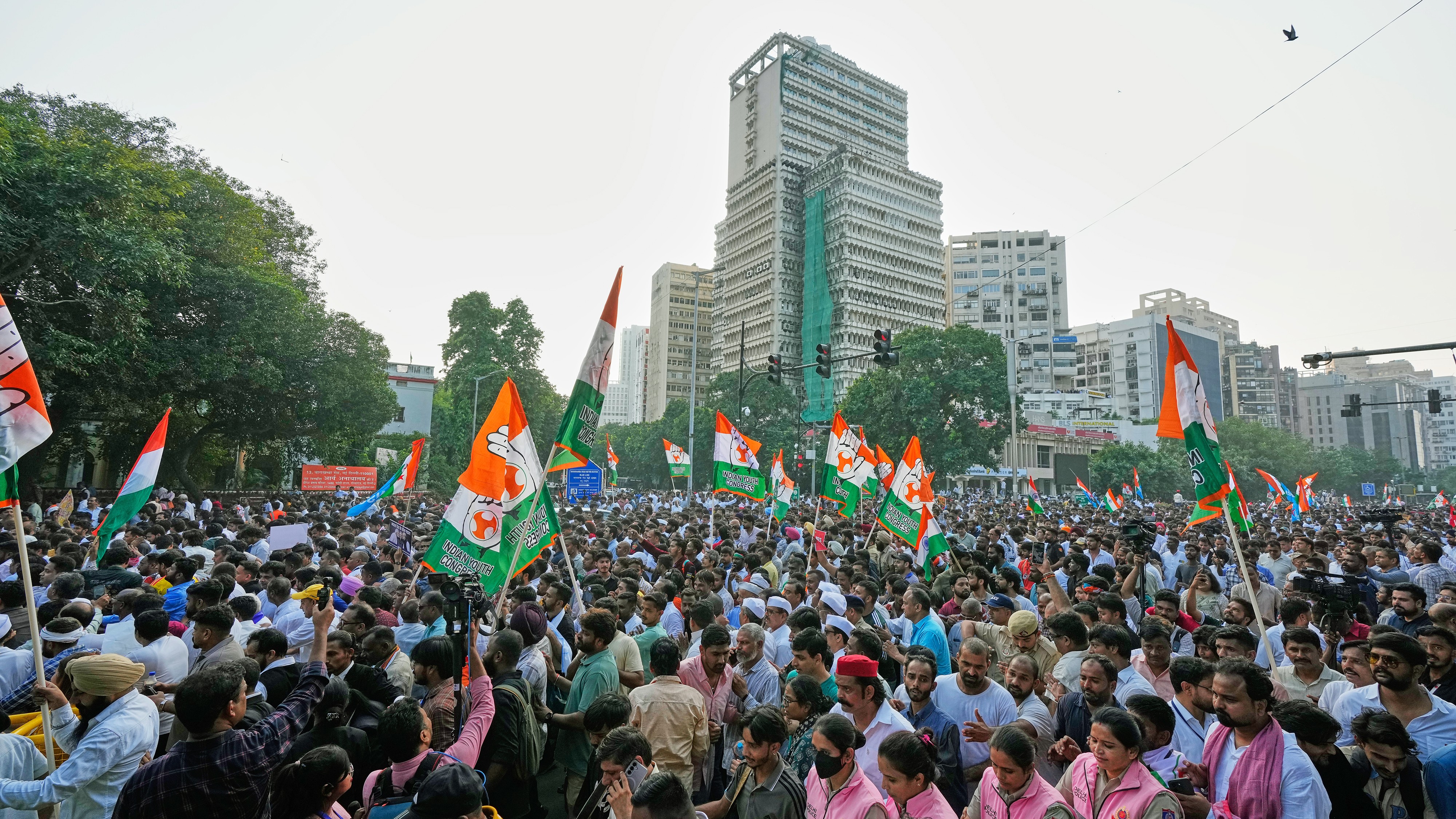
The early indications of this shift became apparent during the summer. Thousands of young people gathered in Delhi to demand the resignation of India's education minister. They were motivated by a perception of a deteriorating public education system, skewed economic growth, and a scarcity of jobs. These protesters were not hesitant to criticize news outlets they viewed as government mouthpieces; in fact, they even heckled some reporters during their demonstrations.
They displayed posters and shared memes and slogans that directly targeted the prime minister. When police intervened with tear gas, pellet guns, and shock batons during one of their marches, the incident only fueled public outrage and expanded the movement. In an attempt to win over the digital-age protesters, Modi issued an Instagram selfie video pleading for them to disperse and his colleagues from the Hindu nationalist Bharatiya Janata Party (BJP) made speeches laced with youthful slang.
However, these efforts only garnered more ridicule. The police's use of force against protesters in the past has varied significantly. In 2019, the BJP backed a citizenship law that sparked demonstrations, and the police responded brutally, participating in communal violence. The following year, the government introduced sweeping agricultural reforms, which were met with protests from farmers who accused the changes of benefiting large corporations.
In both instances, the popular response was not as extensive as it was this summer. This could be due to the fact that those previous protests were linked to the Sikh and Muslim communities, which the BJP and its supporters had effectively demonized, exacerbating existing prejudices. In contrast, this summer, many of those calling for the education minister's dismissal came from affluent Hindu families—precisely the demographic that the prime minister and his party rely on for support.
Consequently, the government was unable to employ the same level of force against them. The movement reached its climax with the resignation of the education minister. Right-wing agitators and media outlets, often backed by police officials and BJP supporters and politicians, targeted Muslim, female, and queer protesters for retaliation.
In the fall, a new protest movement emerged in the capital, centered around the denial of a fundamental democratic promise: the right to vote. Since 2025, millions of names have been removed from India's voter rolls in a revision process that has raised numerous questions. The protesters repurposed some of the same rallying cries from the summer protests, such as "Whenever Modi feels the heat, he sends the police onto the streets."
The government resorted to repression once again, detaining thousands of individuals involved in flash protests, assaulting some, and charging others. However, many citizens now perceive these tactics as a sign of weakness rather than strength. The new movement remains active, and opposition political parties have shown their support.
Meanwhile, unrelated protests have erupted or persisted in various parts of the country. Since January, at least 10 states have seen reported strikes, with tribal residents in Madhya Pradesh laying on mock funeral pyres to protest a $87 billion river-linking project that displaced them; demonstrators in Mumbai demanded accountability from a public university over allegations of caste discrimination against a student who committed suicide; and students at another university in Delhi successfully pushed for the restoration of a long-abandoned students' union.
These demonstrations have all been met with significant police pressure, much of it violent, but they have continued despite the pressure. According to Praveen Donthi, a senior analyst at the International Crisis Group, "A million mutinies are now finally coming to the fore." The BJP's strategy of labeling opposition members as anti-national or anti-development has proven ineffective in undermining these movements' resolve.
The government has yet to recover from the setbacks it suffered during the summer protests, as Neha, the national president of the left-affiliated All India Students' Association, observed. "The young people who have been part of these protests don't really believe in the invincible aura of the prime minister at all. If anything, he has been a source of memes and jokes and satire, and that has been the extent of his contribution to the young generation."
The protest movement this fall has its origins in an administrative process that began more than a year ago. In June 2025, prior to contentious assembly elections in several states, India's election commission announced a revision of the country's voter rolls. While India has conducted this process, known as an Intensive Revision, eight times before, this Special Intensive Revision was unique. It was rushed and lacked transparency.
Written by urgent.news from The Atlantic's reporting — not their text. Machine-written — may contain errors; check the original before relying on it.