How AI powers Hong Kong Baptist University professors’ research to benefit society
Two researchers in Hong Kong are using advanced data-driven computation and artificial intelligence (AI) alongside traditional scientific principles to better understand the mechanisms of the human brain and tackle the growing urban threat posed by extreme temperatures and air pollution. The academics at Hong Kong Baptist University (HKBU) have been recognised by Hong Kong’s Research Grants…
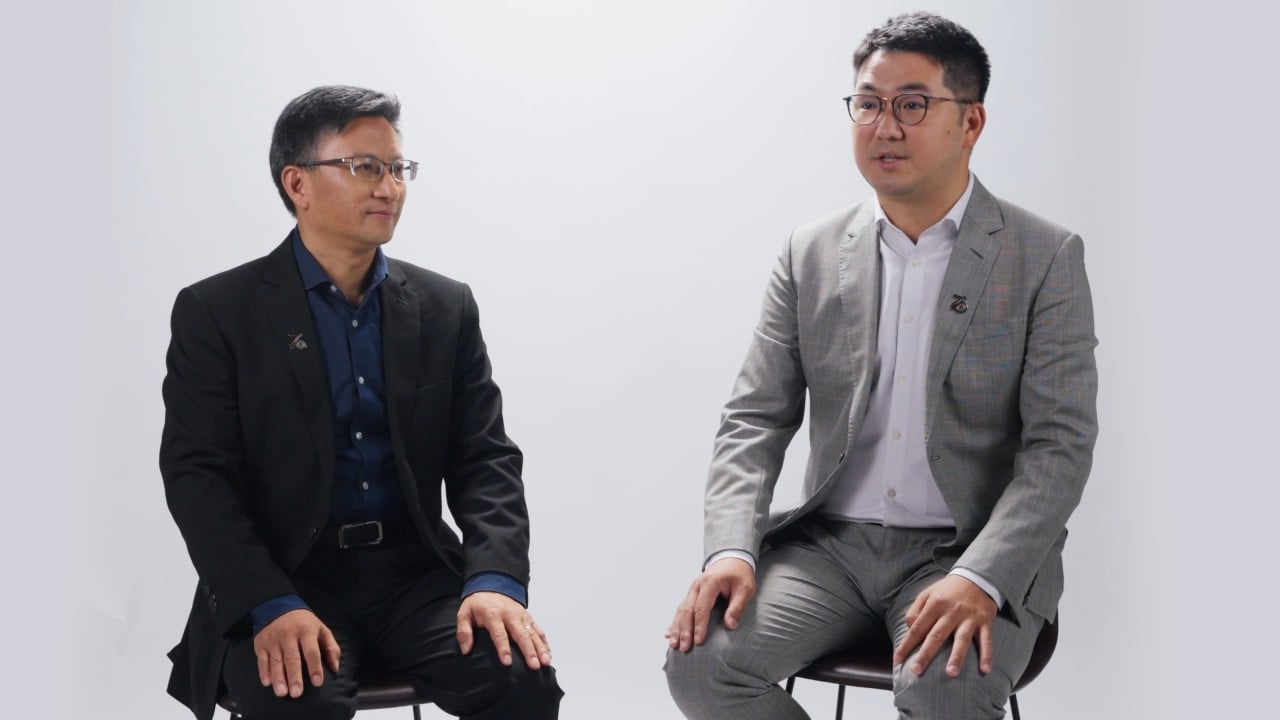
Two professors at Hong Kong Baptist University (HKBU) have been awarded funding from the city's Research Grants Council to use artificial intelligence (AI) in neuroscience and urban sustainability projects. Professor Zhou Changsong, chair professor in physics and complex systems, is developing AI-based prediction models to better understand the human brain and its relationship to diseases like dementia.
His five-year grant of about HK$7.8 million aims to create sensitive early biomarkers for abnormal ageing and neurodegenerative diseases, allowing for personalized brain modulation and targeted treatment. Meanwhile, Professor Gao Meng, an ecological engineer, is using AI machine learning to analyze data and make predictions in efforts to combat extreme temperatures and air pollution in urban areas of southern China's Greater Bay Area.
The five-year grant of about HK$8.5 million will fund the creation of a dynamic model that integrates climate science with urban planning to develop sustainable, climate-smart megacities.
Written by urgent.news from South China Morning Post's reporting — not their text. Machine-written — may contain errors; check the original before relying on it.
This story
This is one outlet's version. Read the fullest account.