From hidden notes to AI glasses, cheating takes new forms
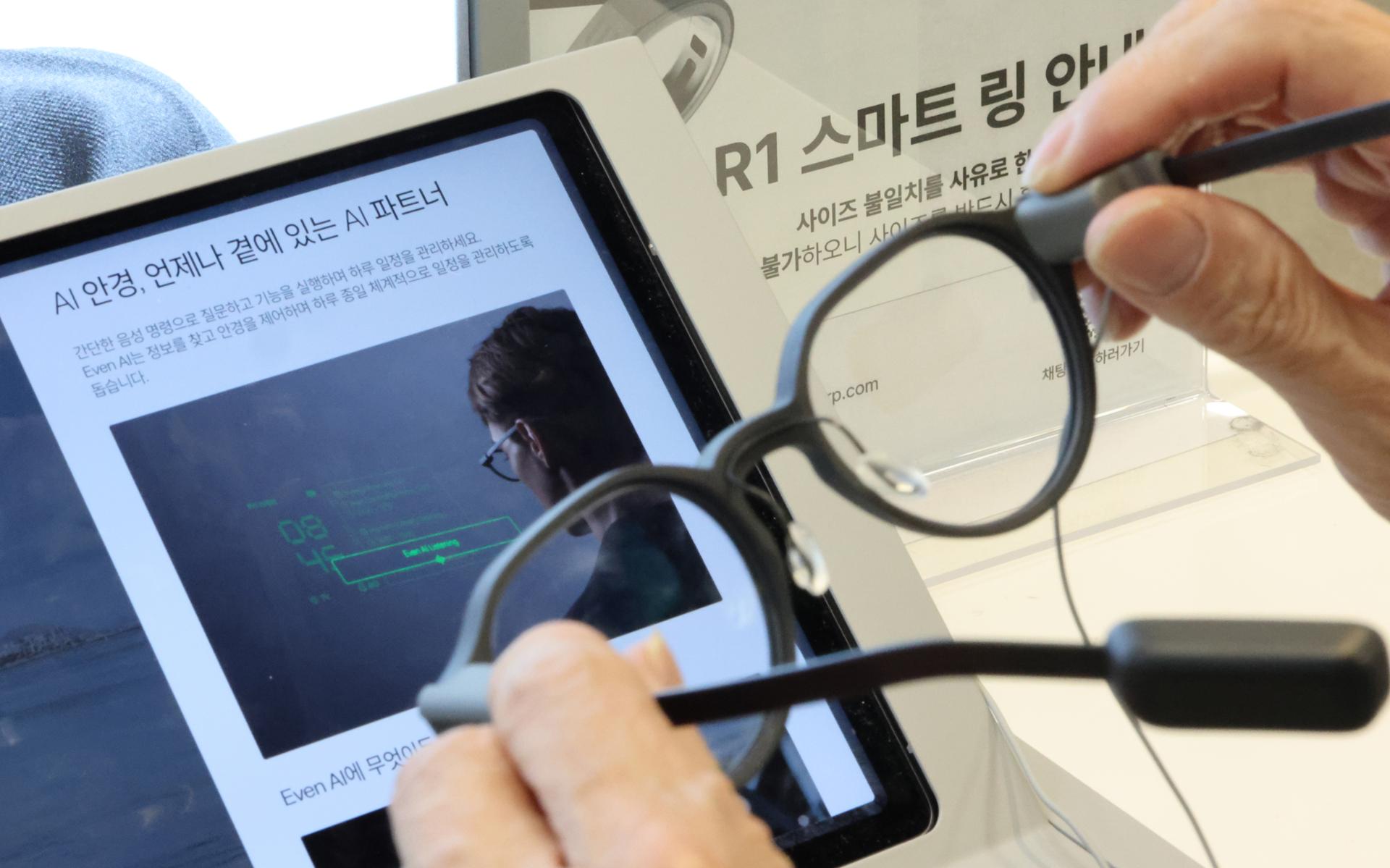
Cheating on exams is hardly new in Korea. What has changed is the technology used to get away with it, from altered answer sheets and text messages to artificial intelligence (AI)-powered glasses. As the methods grow more sophisticated, detecting them has become increasingly difficult. Even the civil service examinations of the 1392-1910 Joseon Dynasty were vulnerable to cheaters. In a 1699…
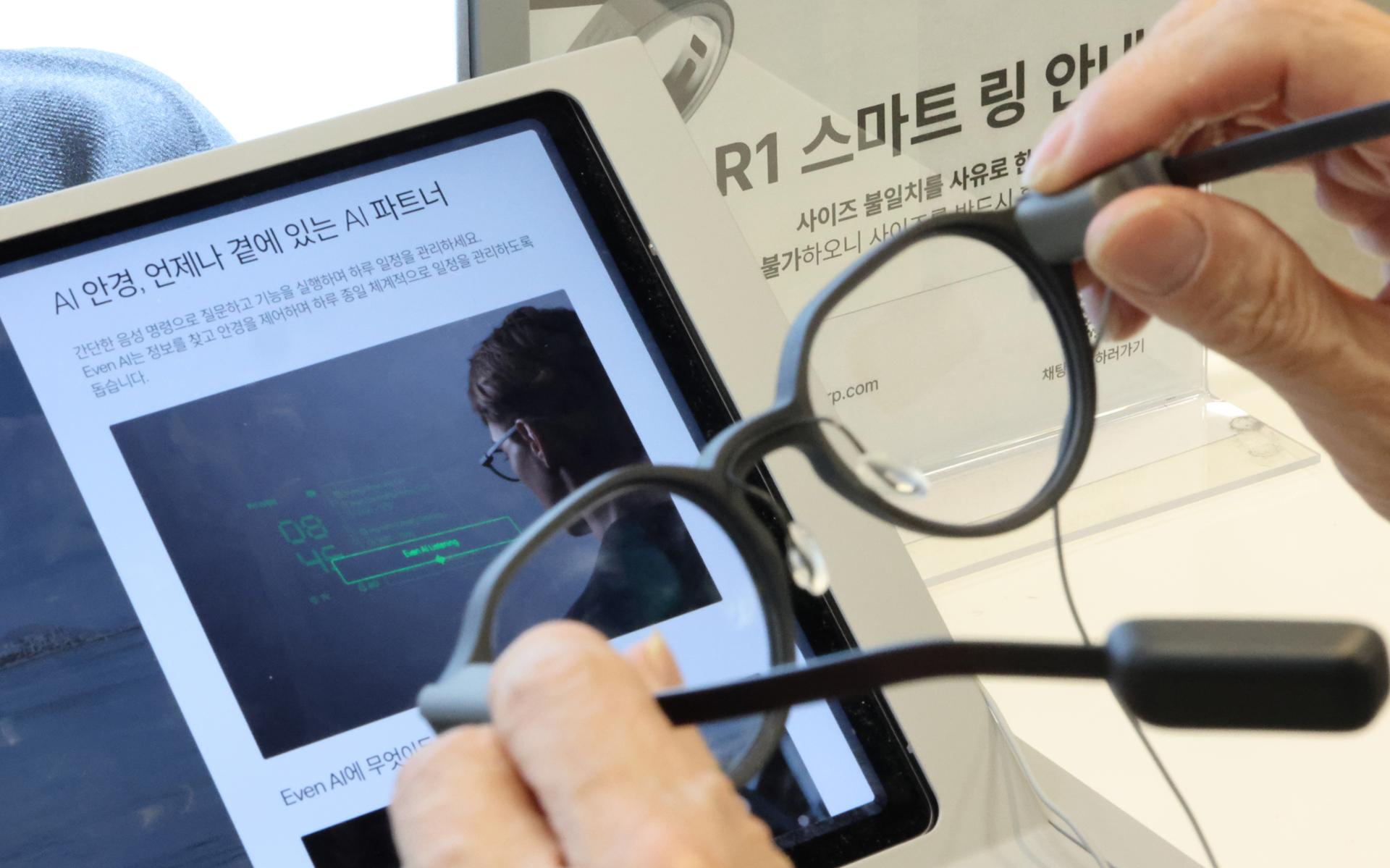
Exam cheating in South Korea has a long history, evolving alongside advancing technology. From concealed answer sheets and whispered messages to AI-enhanced glasses, perpetrators continuously devise novel methods to deceive evaluators. Even during the Joseon Dynasty's civil service assessments (1392-1910), cheating was rife; in 1699, 15 out of 33 successful candidates were discovered to have obtained their positions dishonestly, including swapping paper names.
In the modern era, mobile phones facilitated organized cheating. During the 2004 college entrance exam in Gwangju, students collaborated in three groups - high-achievers, intermediaries, and recipients - exchanging answers via text messages. As a result, 472 students' scores were invalidated between 2002 and 2005, with 412 of them utilizing text messaging. Subsequent measures included restricting electronic devices and imposing harsher penalties.
Written by urgent.news from The Korea Times's reporting — not their text. Machine-written — may contain errors; check the original before relying on it.
This story
This is one outlet's version. Read the fullest account.
- From hidden notes to AI glasses, cheating takes new forms koreatimes.co.kr