China’s Singles Day shopping festival puts AI selling power to the test
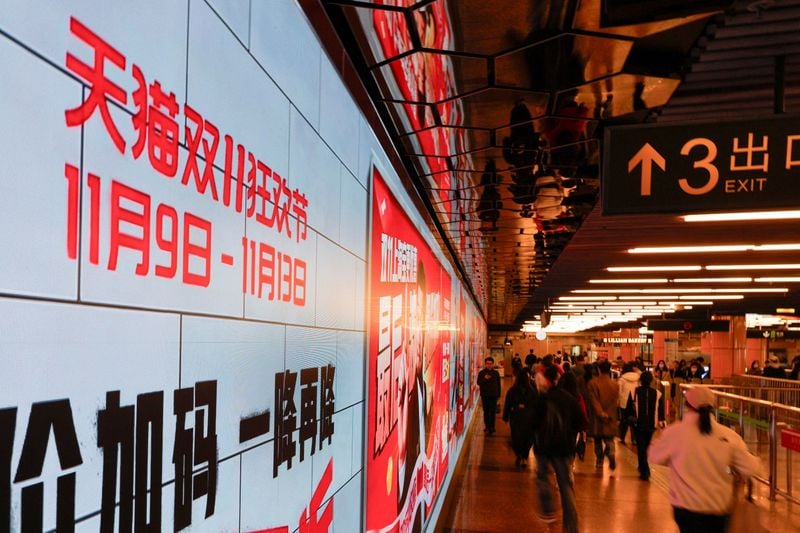
Beijing, Nov 11 - China's Singles Day shopping festival provides a glimpse into the nation's embrace of AI technology. Shopping through chatbots that suggest, guide, and finalize purchases is becoming increasingly popular, as AI-enabled devices like toys and robots are heavily marketed, and consumers are purchasing AI tokens to utilize AI models.
E-commerce giants Alibaba, JD.com, and PDD Holdings have integrated AI into their platforms to retain cautious consumers amidst intense competition. For instance, Alibaba's Tmall and Taobao offer AI-driven research, virtual clothing trials, and discount-finding aids, with AI driving about 5% of October purchases on the Douyin platform, according to WPIC Marketing + Technologies data.
This discovery channel is still in its infancy, but Jacob Cooke, from research firm WPIC, anticipates it will contribute to a rising share of direct purchases, similar to livestreaming or social commerce. However, the impact of AI on overall spending remains uncertain. Brands can benefit or suffer depending on platform tuning and product pricing.
Some brands may see reduced visibility as consumers increasingly rely on AI assistants for shopping, as Ben Cavender, managing director at China Market Research Group, points out. Singles Day sales climbed 2.4% from October 7 to October 31, according to Syntun, a third-party data platform, with an updated figure expected soon. This figure contrasts with a 1.1% increase in China's retail sales for the year up to September end.
AI has become deeply embedded in the Chinese shopping experience compared to Western markets due to super apps' dominance. These AI agents can research, complete transactions, apply coupons, and schedule deliveries without requiring the shopper to use a separate app. AI-driven shopping assistants are also more accessible, allowing shoppers to specify requirements, such as finding a quiet washing machine for a narrow balcony within a budget constraint, according to Liu Xingliang, a Beijing-based tech analyst.
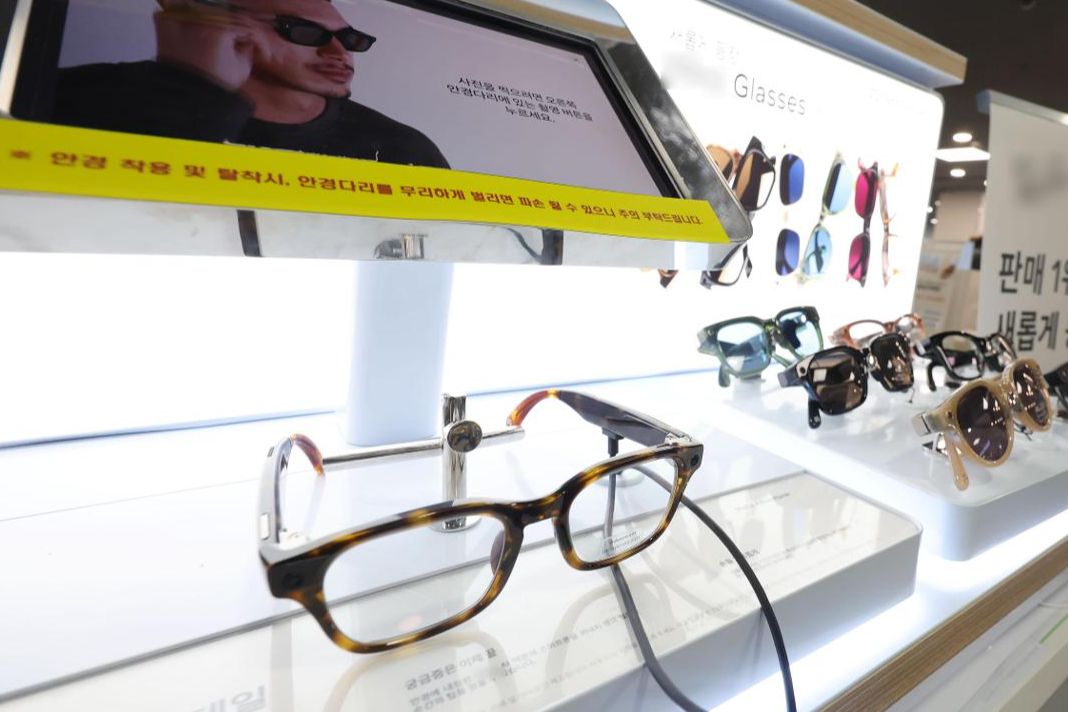
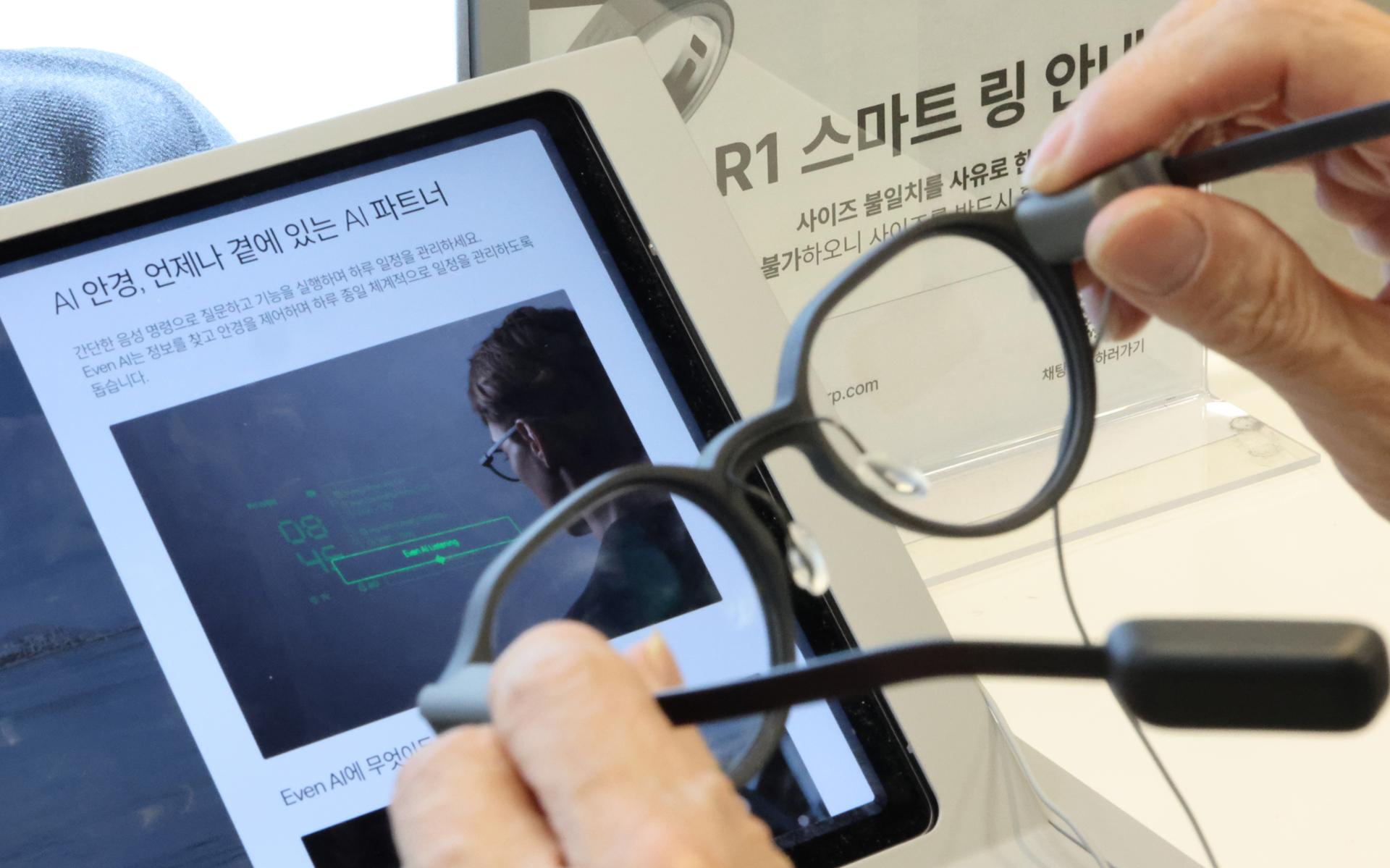
JD.com reported that its AI shopping assistant, Dongdong, attracted nearly 80 million users seeking advice during this year's Singles Day festival, tripling last year's user count. AI devices are gaining traction as well. AI toys sales surpassed 100 million yuan ($15 million) within a year of going live on Alibaba's platforms. One example is Dr. Look's AI learning camera, which helps children identify and explain objects like leaves or insects through photos.
AI companion robot sales nearly quintupled year-on-year in late October, Alibaba stated, without revealing sales figures. Tmall announced a 700% surge in AI token sales from October 15 to November 5 compared to the previous period. Top livestreamer Austin Li introduced AI products for the first time, selling 100,000 monthly subscriptions to Alibaba's QwenWork in just 30 minutes.
For some shoppers, AI tools have become an integral part of online shopping. Amanda Gao, a 40-year-old Beijing office worker, uses Taobao's AI virtual try-on feature regularly when purchasing clothing, finding it both useful and entertaining.
Written by urgent.news from Investing.com's reporting — not their text. Machine-written — may contain errors; check the original before relying on it.