Farm worker health fears as Q fever vaccine shortage hits rural Australia
The vaccine that protects Australians from a serious bacterial infection is expected to run out this week.
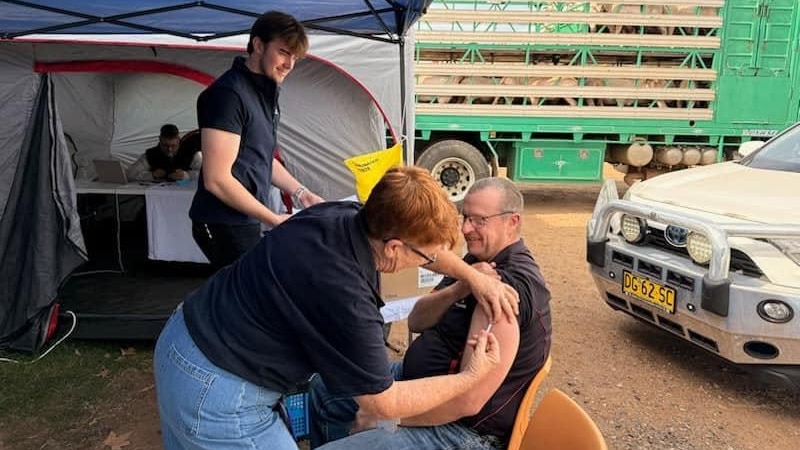
Australia faces a shortage of Q fever vaccines this week, due to manufacturing issues at CSL Seqirus, a company contracted by the Department of Health. Q fever, spread by animals like sheep and cattle, causes flu-like symptoms that can become chronic and lead to severe cardiovascular complications. Last year, 991 cases were recorded in Australia, the highest since monitoring began in 1991.
Senior vice-president of operations Chris Larkins stated the shortage will last through the end of the year, with additional batches expected in late December. He expressed deep concern over the impact on public health and rural businesses. Rawsonville dairy owner Erika Chesworth described her staff's inability to get vaccinated since March, citing a lack of communication and options.
The vaccine, which takes nine months to produce, faced supply issues due to raw material supply problems and manufacturing equipment failures. Despite these challenges, Larkins anticipates the supply situation will improve by early next year. Nurse and shearer Carol Mudford, who started working in sheds in 2020, highlighted the ongoing need for the vaccine, emphasizing its importance in preventing Q fever, a highly contagious disease spread through dust and animal contact.
Written by urgent.news from ABC News AU's reporting — not their text. Machine-written — may contain errors; check the original before relying on it.