Blood proteins reveal how menopause may shape brain health later
Researchers are uncovering the cascade of molecular events that happen when women undergo menopause.
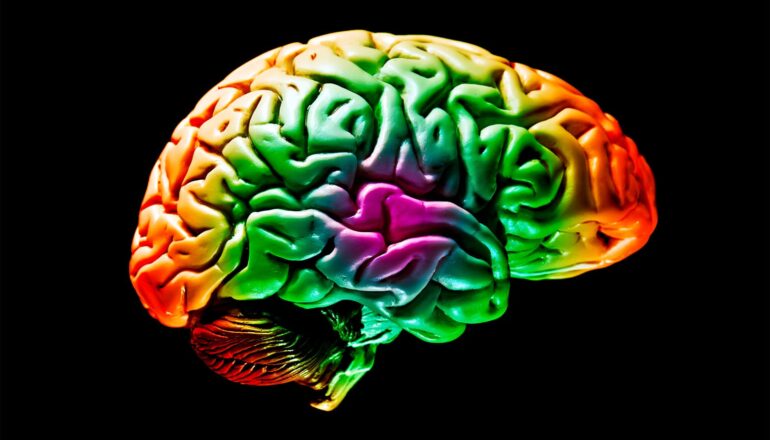
A recent study published in Nature Medicine reveals how menopause may influence brain health later in life through changes in blood proteins. Researchers at UC Santa Barbara found a correlation between increased levels of 16 proteins linked to brain aging and dementia risk in women during and after menopause. While these protein changes do not directly cause dementia, they provide valuable insights into the biological processes that begin to shift during midlife.
The study, led by Emily Jacobs, professor of psychological and brain sciences, utilized advanced proteomic technologies to analyze thousands of proteins in cohorts of pre-, peri-, and postmenopausal women. The researchers discovered that the shifts in these proteins were more closely tied to a woman's menopause stage than her exact age, indicating that menopause itself, rather than aging, triggers these changes.
These findings were further confirmed in a larger database of over 2,800 women from the UK Biobank, showing a strong tie between menopause and molecular signatures of accelerated aging across various organ systems. To better understand the impact of these protein changes on brain health, the team examined data from four independent cohorts totaling nearly 12,000 older women.
They found that women with higher levels of "risk" proteins were more likely to exhibit poorer cognitive outcomes and, in the largest cohort, had a modestly increased risk of developing Alzheimer's dementia within the next 16 years. The researchers emphasize that these results do not conclusively prove that menopause causes Alzheimer's disease, but rather highlight the importance of studying brain aging during the menopause transition.
They hope to develop a blood test that can serve as an early-warning system for dementia risk, similar to cholesterol tests for heart disease. This would enable clinicians to identify individuals who may benefit from early interventions during midlife. Study senior author Kaitlin Casaletto stresses that midlife is a critical period for both men and women to set up the brain for resilience or vulnerability to dementia in later life.
For women, menopause may present a unique opportunity to intervene and promote healthy brain aging. The study underscores the importance of longitudinal research following women through the menopause transition to better understand the interplay between hormones, proteins, symptoms, and brain health over time.
Written by urgent.news from Futurity's reporting — not their text. Machine-written — may contain errors; check the original before relying on it.