Eisenkot says Israel should not return to war for now
Israel should not return to war in the coming weeks unless it comes under "immediate threat", prime ministerial possible Gadi Eisenkot has said. Amid tricky coalition talks in Israel, Mr Eisenkot said current Prime Minister Benjamin Netanyahu should avoid "dangerous moves that can wait until a new government". He warned of a "constitutional conflict" if Mr Netanyahu orders troops into battle, in…
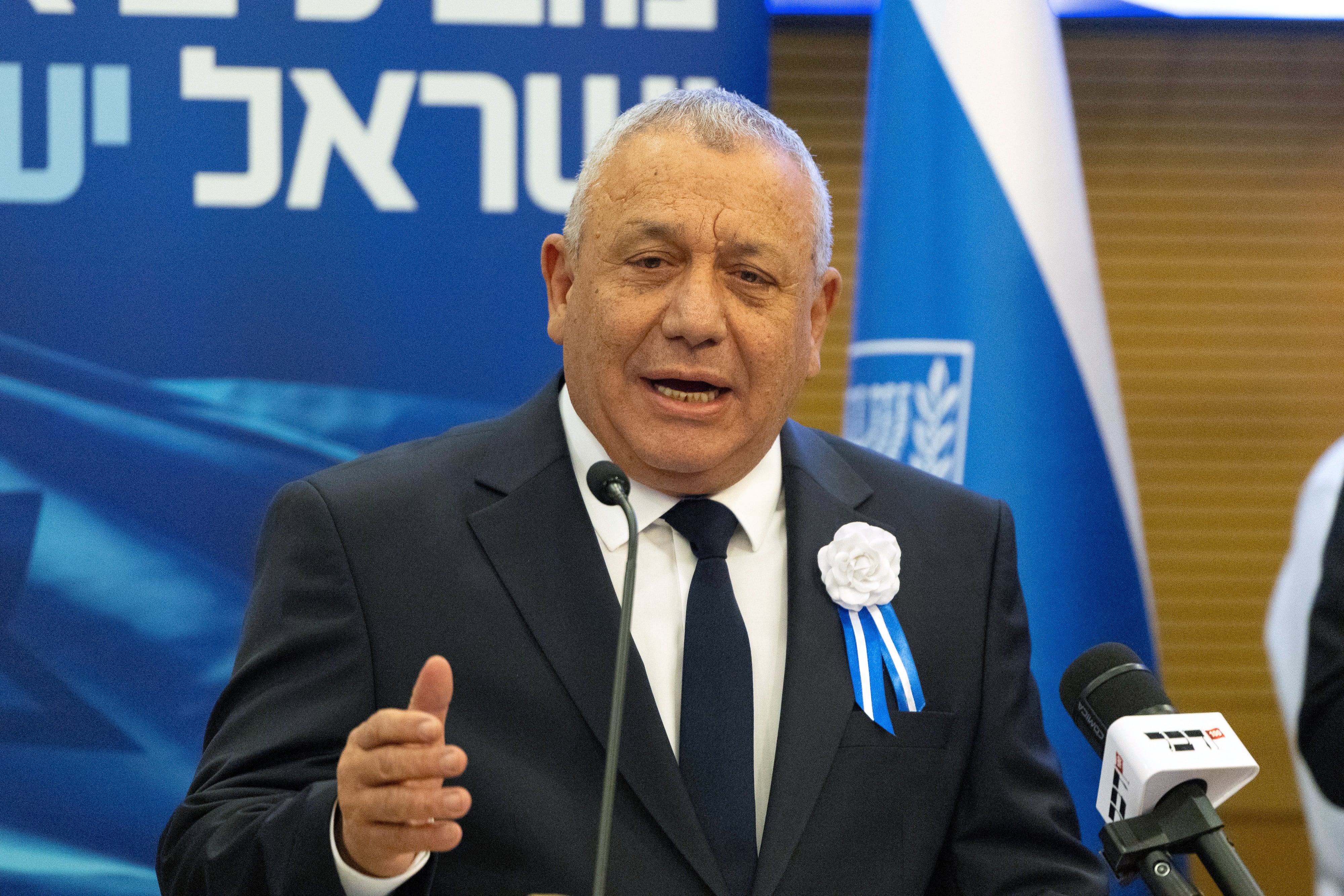
Israeli Prime Ministerial candidate Gadi Eisenkot has cautioned that Israel should refrain from returning to war unless it encounters immediate danger. Amid complicated coalition negotiations in the country, Mr Eisenkot urged outgoing Prime Minister Benjamin Netanyahu to steer clear of any dangerous decisions that could be postponed until a new government is established.
He cautioned about a "constitutional conflict" if Mr Netanyahu were to order troops into battle, arguing it would be perceived as a strategy to retain power. This plea comes as US President Donald Trump weighs the possibility of reinstating strikes on Iran. Netanyahu still holds onto his position following a close October election in Israel, where neither his right-wing coalition nor Mr Eisenkot's opposition gained a majority.
Israeli President Isaac Herzog granted Mr Eisenkot 28 days to attempt a coalition formation, with an extension to 42 days possible. Should he fail, Mr Netanyahu may be given another opportunity. Reports suggest Mr Netanyahu is interested in resuming strikes on Iran, potentially enabling him to form a unity government and preserve his political influence.
Mr Eisenkot, a former Israeli army chief, highlighted troubling reports regarding the influence of extraneous factors on Israel's security policies. Addressing Mr Netanyahu, he stated, "Deploying the security forces without a direct and immediate threat that cannot afford any delay could cause severe damage to Israeli democracy and the citizens' faith in government institutions."
Mr Netanyahu countered by asserting that discussing sensitive security matters publicly was irresponsible. He claimed his decisions were solely driven by security concerns and in full coordination with the security establishment, according to Israeli media. However, Mr Eisenkot contended that he had requested operational updates, as is customary, but was denied.
He insisted, "I will not permit even a millimeter of deviation from security considerations." Israel's newly convened parliament convened for the first time on Tuesday. Mr Eisenkot and his fellow opposition leaders reached an initial agreement on appointing officials in the Knesset, but a comprehensive coalition deal will likely prove more challenging.
The Eisenkot faction holds 48 out of 120 seats. To secure a majority, they would need support from Arab parties, which would be controversial in Israel, or defections from Mr Netanyahu's camp. Few anticipate significant changes in Israeli foreign policy under any new leader, as most candidates support a tough stance on Iran and reject Palestinian statehood.
Nevertheless, Mr Eisenkot has called for improving Israel's global image and investigating security shortcomings during Mr Netanyahu's tenure. Netanyahu has consistently asserted since the election that the results were "stolen" by Israeli Arabs. While investigations into alleged irregularities continue, Israeli officials maintain that these actions would not have altered the outcome.
Written by urgent.news from The National Business's reporting — not their text. Machine-written — may contain errors; check the original before relying on it.
This story
This is one outlet's version. Read the fullest account.
- Eisenkot says Israel should not return to war for now thenationalnews.com