Eisenkot says Israel should not return to war for now
Israel should not return to war in the coming weeks unless it comes under "immediate threat", prime ministerial possible Gadi Eisenkot has said. Amid tricky coalition talks in Israel, Mr Eisenkot said current Prime Minister Benjamin Netanyahu should avoid "dangerous moves that can wait until a new government". He warned of a "constitutional conflict" if Mr Netanyahu orders troops into battle, in…
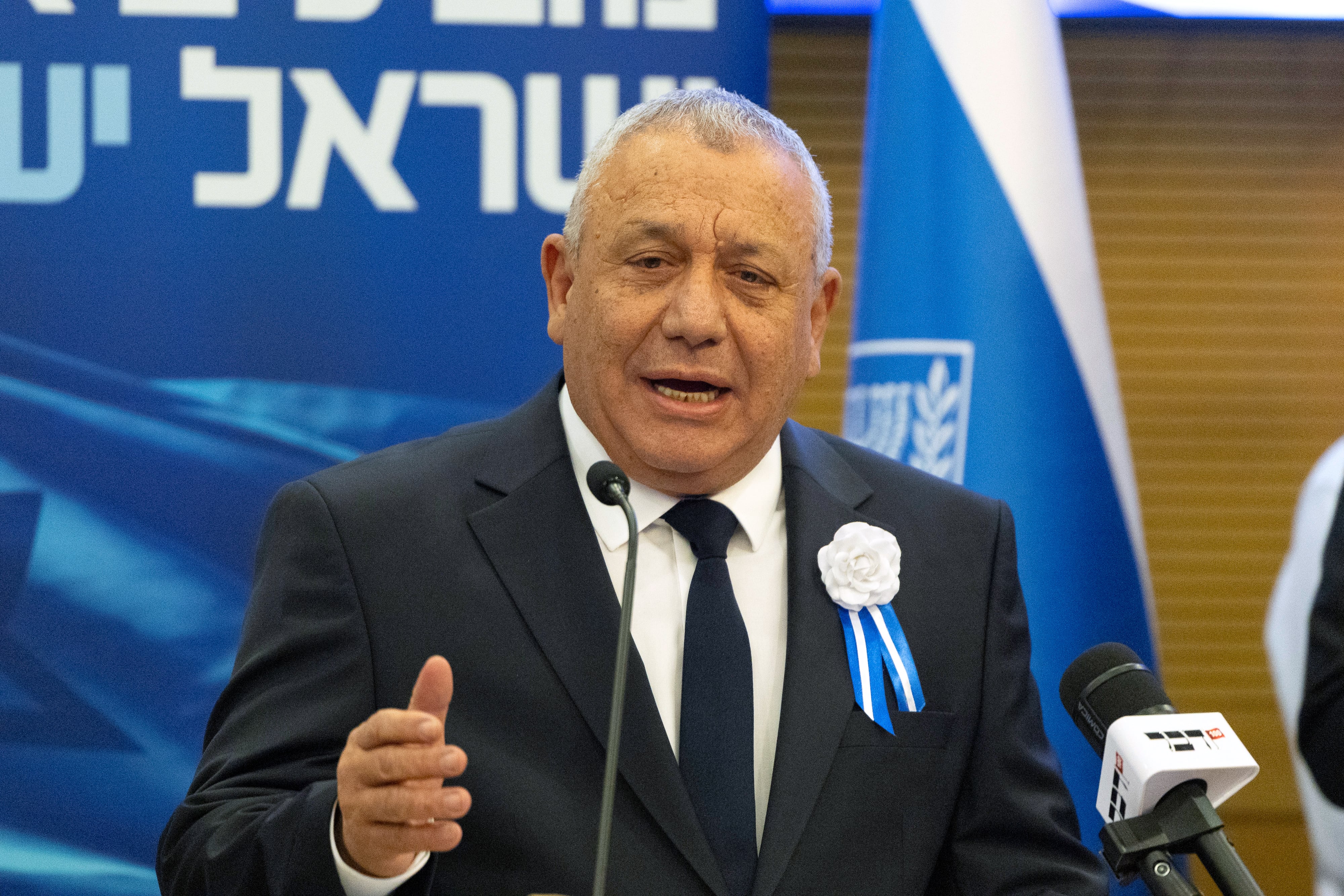
Prime Ministerial candidate Gadi Eisenkot has stated that Israel should refrain from entering a new war in the coming weeks unless it encounters an immediate threat. As tensions mount in coalition talks following Israel's inconclusive October election, Eisenkot urged incumbent Prime Minister Benjamin Netanyahu to avoid any dangerous actions that could be postponed until a new government takes office.
Eisenkot warned that deploying security forces without a direct threat would have severe repercussions for Israeli democracy and public trust in government institutions. His call for restraint comes as US President Donald Trump weighs the potential resumption of strikes on Iran. Netanyahu, who remains in office despite the election result, has been rumored to be interested in launching strikes against Iran, which could facilitate a unity government and ensure his continued leadership.
Eisenkot, a former Israeli army chief, expressed concern over reports of extraneous considerations influencing Israel's security policy. Addressing Netanyahu directly, Eisenkot emphasized that deploying security forces without a clear and immediate threat could be catastrophic for Israeli democracy and citizens' faith in government.
Netanyahu disputed Eisenkot's claims, asserting that his decisions are solely driven by security concerns and coordinated with the security establishment. Eisenkot alleged that he had requested operational updates as per protocol but was denied. He vowed not to compromise security considerations. With the new Israeli parliament convening, Eisenkot and opposition leaders reached an agreement on filling Knesset posts, but forming a full coalition remains challenging.
Eisenkot's camp holds 48 out of 120 seats, and achieving a majority would require support from Arab parties or defectors from Netanyahu's faction, both of which present contentious scenarios in Israeli politics. Despite the lack of major expected shifts in foreign policy under a new leader, Eisenkot has called for restoring Israel's global standing and investigating security lapses during Netanyahu's tenure.
Netanyahu has repeatedly asserted that his election defeat was "stolen" by Israeli Arabs, a claim currently under investigation, though Israeli officials maintain that such misconduct alone would not have altered the election outcome.
Written by urgent.news from The National UAE's reporting — not their text. Machine-written — may contain errors; check the original before relying on it.
Also reported by 1 other outlet
- Eisenkot says Israel should not return to war for now thenationalnews.com