Decoding Ediacaran fossils
Ancient specimens reveal how animals began to move half a billion years ago – and even the first known example of ‘handedness’ - by Aeon Video Watch on Aeon
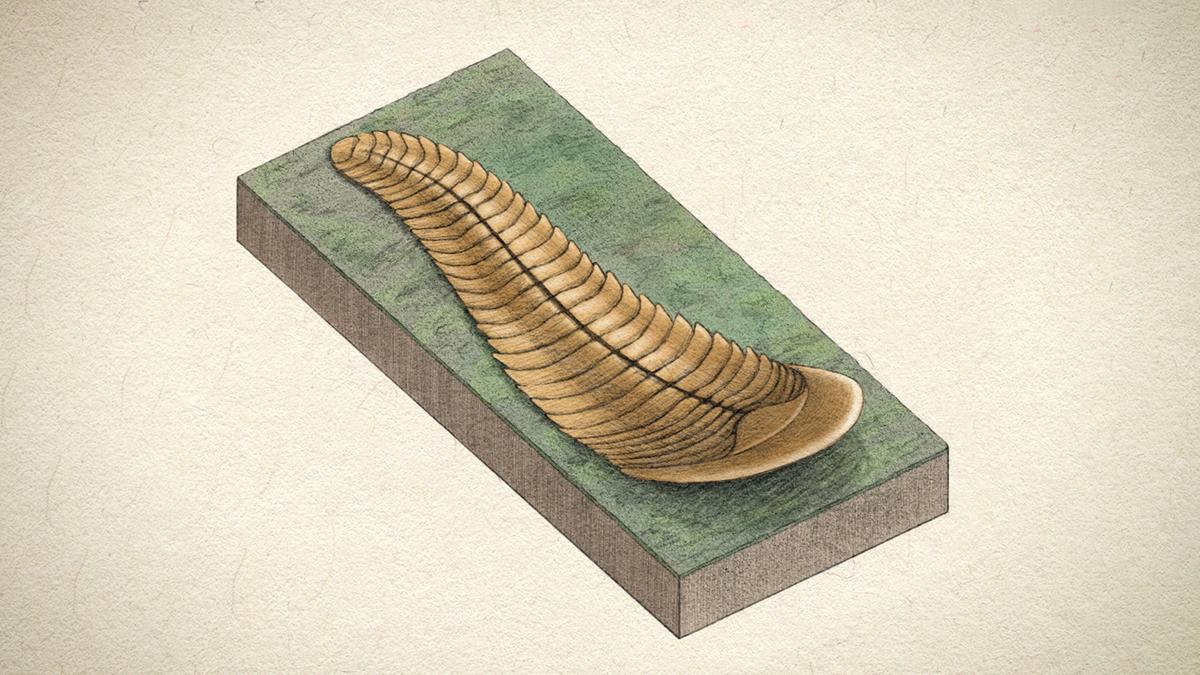
In this video by palaeontologist Scott Evans, the expert reveals the meticulous process of interpreting Ediacaran fossils, which date back over 500 million years. Specializing in invertebrate palaeontology, Evans focuses on the period when the earliest complex life emerged on the seafloor. He shares insights from his fieldwork at Nilpena Ediacara National Park in Australia, shedding light on how these ancient animals began to move and how one species exhibited an early form of 'handedness'.
Using 3D animations, Evans illustrates how this ancient marine life is connected to modern animals and how this knowledge could aid in the search for extraterrestrial life.
Written by urgent.news from Aeon's reporting — not their text. Machine-written — may contain errors; check the original before relying on it.