Deal vs deal? US, China trade calls to honour commitments before Xi-Trump summit
During a video call on Friday, US Trade Representative Jamieson Greer and Treasury Secretary Scott Bessent urged Chinese Vice-Premier He Lifeng to uphold China’s previous commitments on agricultural goods and rare earth exports. A day earlier, Beijing reminded Washington to implement another deal – reciprocal tariff cuts covering US$30 billion worth of products on each side – as a precondition to…
In a video call on Friday, US Trade Representative Jamieson Greer and Treasury Secretary Scott Bessent urged Chinese Vice-Premier He Lifeng to adhere to China's prior commitments regarding agricultural exports and rare earth exports. Beijing had previously reminded Washington of a deal – reciprocal tariff cuts amounting to US$30 billion worth of products on each side – as a prerequisite to purchasing more American farm products.
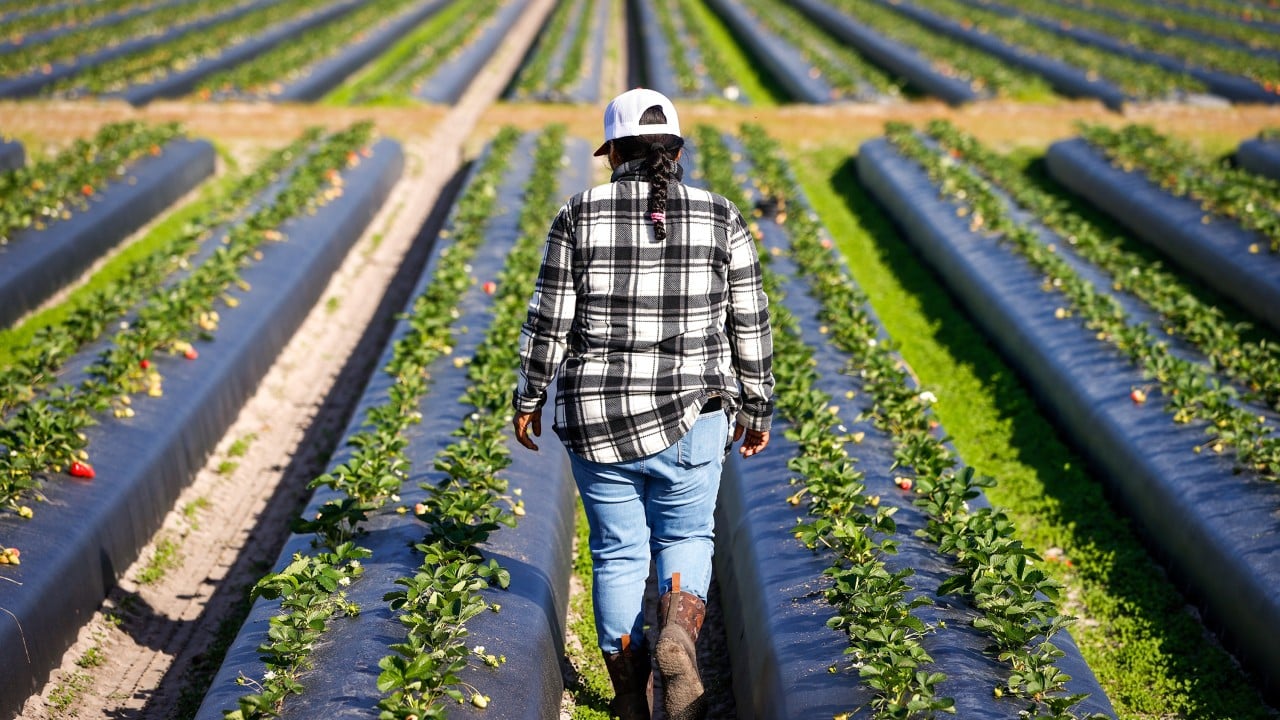
As President Donald Trump is set to meet Chinese leader Xi Jinping in Shenzhen, agricultural purchases have become a significant point of contention, with both sides insisting on each other fulfilling their promises. The issue gained prominence as rural strongholds in states like Iowa, Kansas, and Texas defied Republicans in recent midterms, driven by fuel spikes, steep tariffs, and uncertainty over China's buying commitments.
Experts suggest that China is exploiting Washington's desire for farm sales to compel progress on tariff relief, exploiting Washington's vulnerability following the Republican losses in the midterms. Chris Padilla, a former US undersecretary of commerce for international trade, noted that China is "naming their price – cuts in US tariffs on some Chinese goods."
However, John Bartman, an Illinois-based fifth-generation soybean farmer, argued that the results of the midterms demonstrated the Trump administration "failed to listen to American farmers and their needs."
Jeff Winton, a dairy producer in upstate New York, added that uncertainty surrounding agricultural exports to China played a role in recent elections. Bartman highlighted that Trump's tariffs and the Iran conflict have been detrimental to the American farm economy, driving up diesel costs and fertilizer bills. Despite a previous trade agreement with China, conditions in the farming sector remain uncertain, with no immediate resolution in sight.
Written by urgent.news from South China Morning Post's reporting — not their text. Machine-written — may contain errors; check the original before relying on it.
This story
This is one outlet's version. Read the fullest account.