Deal vs Deal? US, China trade calls to honour commitments before Trump-Xi summit
During a video call on Friday, US Trade Representative Jamieson Greer and Treasury Secretary Scott Bessent urged Chinese Vice-Premier He Lifeng to uphold China’s previous commitments on agricultural goods and rare earth exports. A day earlier, Beijing reminded Washington to implement another deal – reciprocal tariff cuts covering US$30 billion worth of products on each side – as a precondition to…
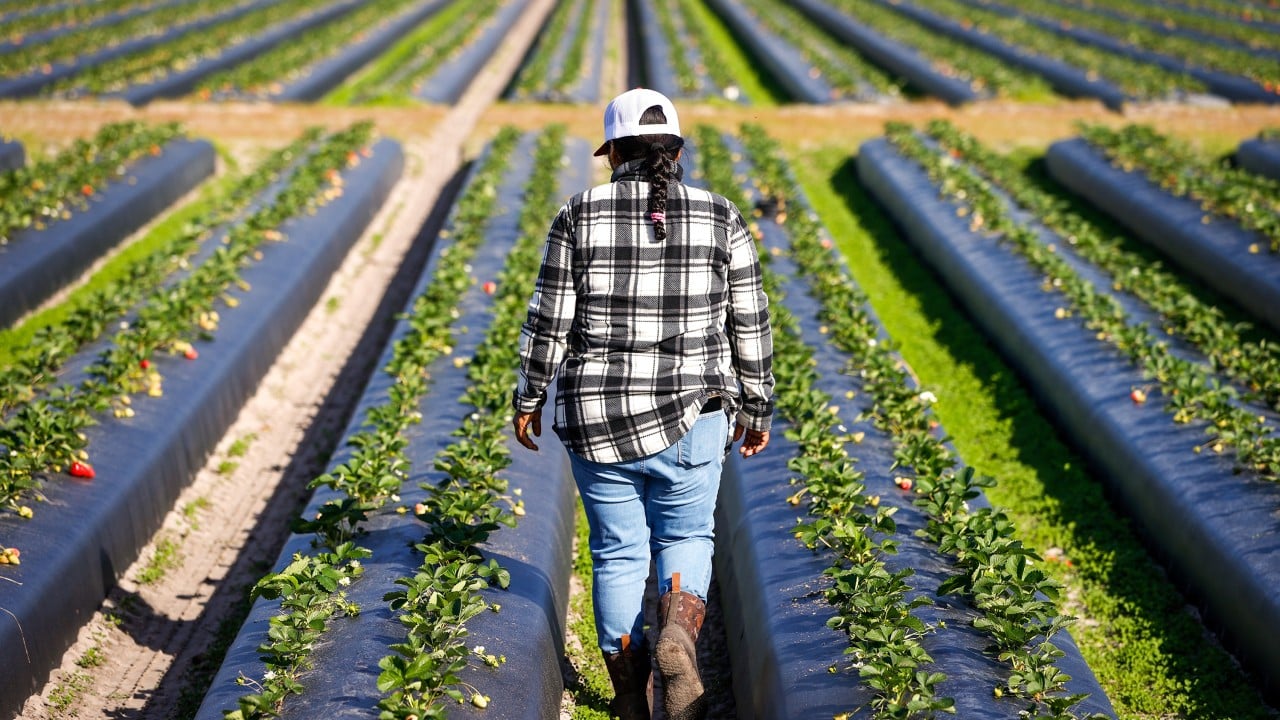
In the days leading up to the anticipated summit between US President Donald Trump and Chinese leader Xi Jinping in Shenzhen, the issue of agricultural purchases has become a significant point of contention. During a video conference on Friday, US Trade Representative Jameson Greer and Treasury Secretary Scott Bessent urged Chinese Vice-Premier He Lifeng to honor China's previous commitments regarding agricultural goods and rare earth exports.
In the preceding day, Beijing had reminded Washington of the need to implement another deal - reciprocal tariff cuts on US$30 billion worth of products on each side - as a prerequisite for increased agricultural imports from the United States.
The issue of agricultural purchases has drawn considerable attention as it has emerged as a major flashpoint, with both countries pressing each other to fulfill their promises. The significance of this matter became evident as rural strongholds across states like Iowa, Kansas, and Texas defied Republican party lines in the recent midterms, driven by geopolitical pressures, fuel price spikes, tariff hikes, and China's uncertain buying commitments.
Experts suggest that China is leveraging Washington's aspirations for farm sales to push for tariff relief, exploiting the vulnerability that the Republican losses in the midterms have created. Christopher Padilla, a former US undersecretary of commerce for international trade, stated that China is setting the terms by demanding cuts in US tariffs on certain Chinese goods.
John Bartman, an Illinois-based fifth-generation soybean farmer, attributed the recent election results to the failure of the Trump administration to listen to the concerns of American farmers, specifically the uncertainties surrounding agricultural exports to China. Jeff Winton, a dairy producer in upstate New York, also pointed out that the whiplash caused by the uncertainty over agricultural exports contributed to the elections' outcomes.
Farmers' concerns are not unfounded, as the impact of Trump's tariffs and his war in Iran have had devastating effects on the American farm economy. The loss of a significant portion of the Chinese market, coupled with the consequences of Trump's policies, has further squeezed farm incomes, intensifying financial pressures across the sector.
Despite China's commitment to buy at least US$17 billion in US agricultural products annually for three years, shipments would still remain 14% below the 2020-2024 annual average of 29 million tonnes. While China has met the 2025 target for soybean purchases, the rest of the agricultural purchase basket continues to stall.
China has expressed openness to purchasing more agricultural products if the reciprocal tariff-reduction deal is honored. However, the US Trade Representative has not responded to a request for comment, and no timeline has been set for implementing the limited trade agreement. Despite China's focus on implementing the trade agreement, farmers remain skeptical, as conditions in the farming sector do not seem to improve quickly.
The effects of fuel costs, fertiliser expenses, and trade uncertainties continue to weigh heavily on the American farm economy, leaving farmers uncertain about their future.
Written by urgent.news from Reuters Business via SCMP's reporting — not their text. Machine-written — may contain errors; check the original before relying on it.