Autistic individuals show altered white matter in long-range brain pathways
Pooling data from 66 brain imaging studies, researchers found that autistic individuals showed differences in white matter microstructure across many of the brain’s major pathways, particularly long-range tracts linking distant regions.
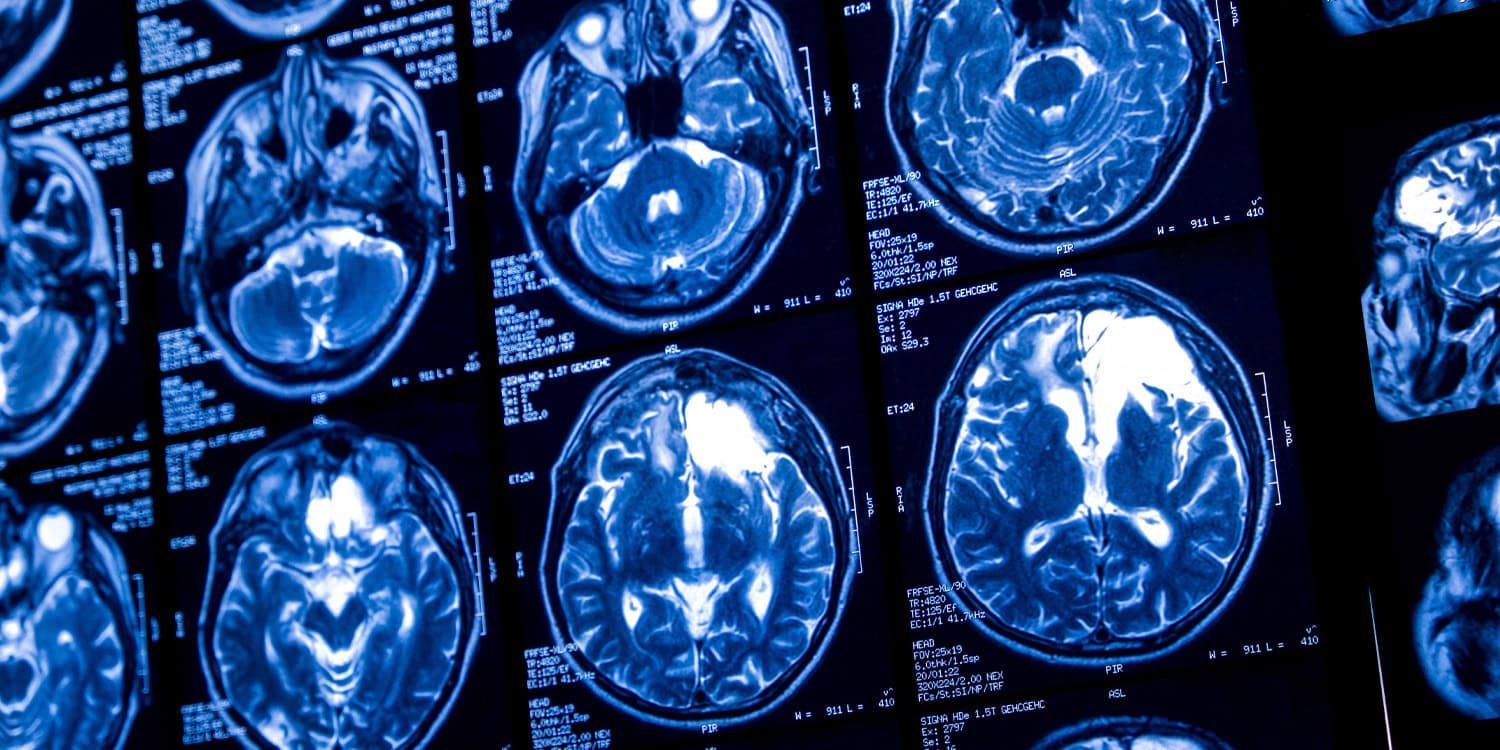
A recent meta-analysis of 66 studies revealed that autistic individuals exhibit differences in the white matter tracts of their brains compared to those who are typically developing. Analyzing data from 2,231 autistic participants and 1,856 typically developing individuals, researchers found that autistic individuals generally had lower fractional anisotropy, a measure of white matter organization, in nine specific tracts.
These tracts included the corpus callosum, which connects the brain's two hemispheres, and several other pathways. Conversely, they showed higher mean diffusivity, indicating more relaxed water movement, in eight tracts, potentially reflecting differences in white matter structure. The largest difference was observed in the arcuate fasciculus, a pathway involved in language processing, although the authors caution that this effect might be influenced by factors unrelated to white matter organization.
The findings suggest that autism may involve atypical long-range connectivity in the brain, with differences appearing primarily in tracts connecting distant regions. The size of these differences varied depending on factors such as study characteristics, including average IQ, age, sex proportion, and publication year.
Written by urgent.news from PsyPost's reporting — not their text. Machine-written — may contain errors; check the original before relying on it.