The US is winning the AI race. Jensen Huang could have blown it
As espionage targets go, Jensen Huang is perhaps one of the least surprising on Earth. The Nvidia CEO runs one of the world's most valuable companies, controls the in-demand technology fueling the AI boom, and is cozy with presidents, CEOs, and all manner of important people. He also wears a cool leather jacket. Which makes […]
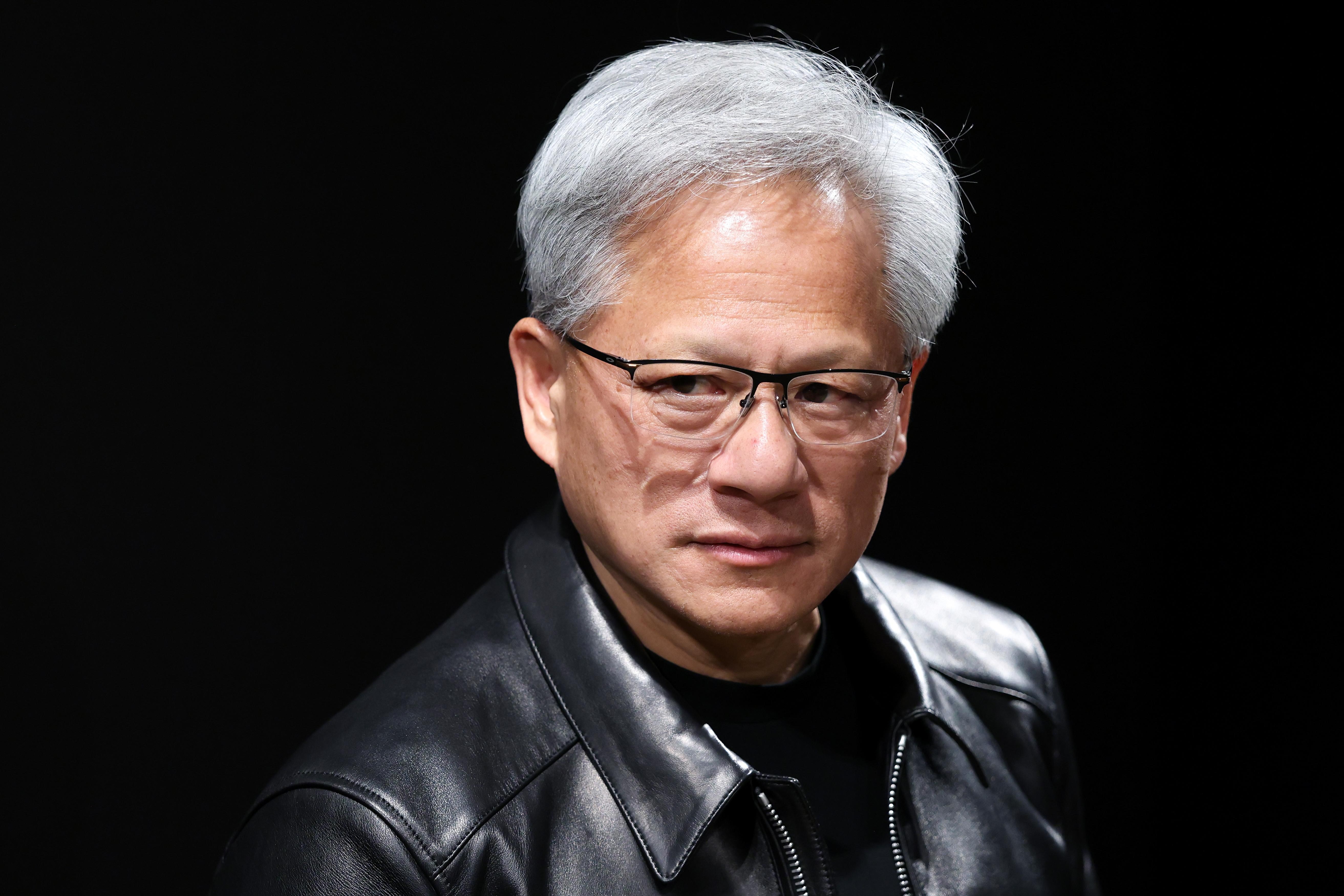
As the US AI boom continues to soar, Nvidia's chips are at the forefront of this technological revolution. It's no surprise that Chinese intelligence services would be interested in Jensen Huang, the CEO of this highly valuable company. Huang, known for his suave style and close ties to influential figures, recently admitted to an affair with a woman suspected of being a Chinese spy.
The revelation not only threatens his personal life and business but also has far-reaching implications for the US AI industry, national security, and America's competitive edge. Experts warn that the incident could potentially overturn the US lead in AI within weeks or months, as China aims to develop domestic alternatives to close the gap.
Chinese experts express concern over the potential loss of Nvidia's cutting-edge chips, which are crucial for global AI development and considered a bottleneck in the field. Huang's close relationships with presidents, CEOs, and other important individuals provide him with unique insights into US decision-making, making him an attractive target for intelligence gathering.
While there is no definitive proof that Huang himself has been used to facilitate chip sales to China or that sensitive information has been obtained, the possibility of Chinese influence on Nvidia and its impact on the US AI industry cannot be ignored. Disruption to Nvidia could have widespread consequences, undermining America's AI infrastructure and creating uncertainty across the sector.
Consequently, the situation demands urgent attention from policymakers and industry leaders to safeguard national security and maintain the US lead in AI technology.
Written by urgent.news from The Verge's reporting — not their text. Machine-written — may contain errors; check the original before relying on it.