The Oscar-winning Godzilla Minus Zero VFX team breaks down the sequel's biggest moments
The Godzilla Minus Zero FX team tells us how they upped their game thanks to Ghidorah and a unique approach to CG.
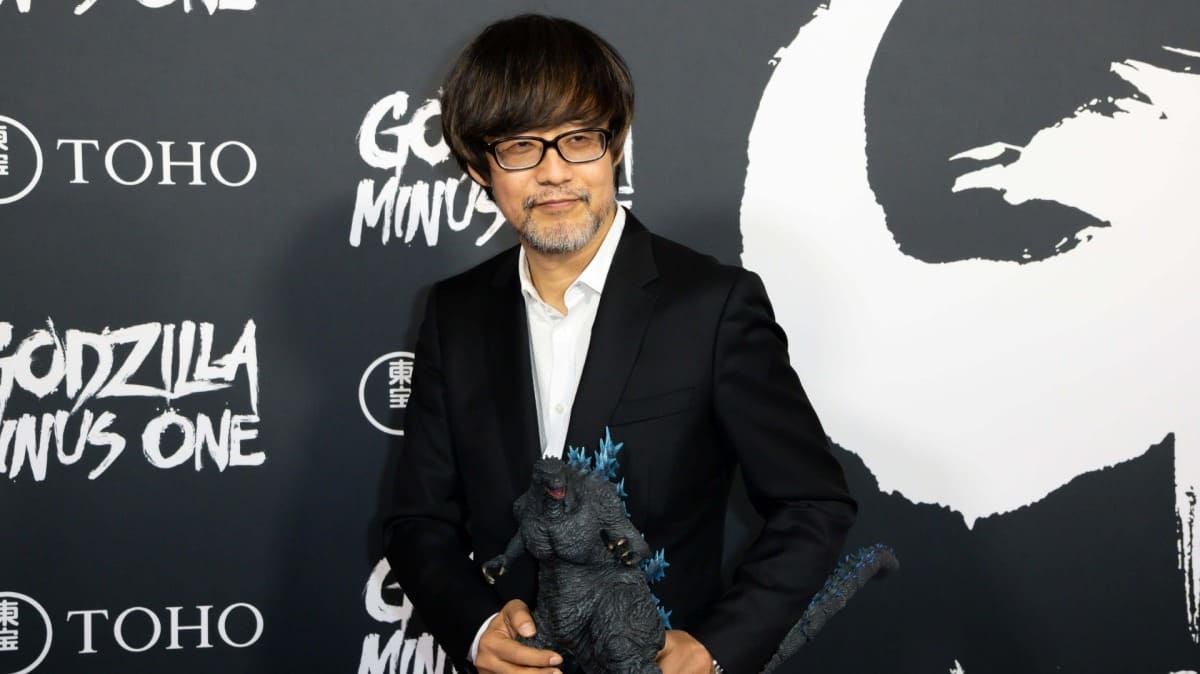
Three years ago, director and visual effects supervisor Takashi Yamazaki captivated audiences with the emotionally and visually stunning Godzilla Minus One. This groundbreaking film achieved unprecedented success, becoming the most successful Japanese Godzilla film ever and winning the prestigious Academy Award for Best Visual Effects—a first for the franchise.
Consequently, it was no surprise that Yamazaki and his team reunited for the sequel, Godzilla Minus Zero, which features two kaiju wreaking havoc on Japan and each other.
Audiences were amazed by the level of detail and realism achieved by a mere 35 visual effects artists and compositors, all without the exorbitant budget of a Hollywood blockbuster. Yamazaki and his crew emphasized that their aim was to build upon the success of Minus One by upgrading their infrastructure, specifically investing in new servers for rendering expansive shots showcasing the scenery.
While the team's headcount only increased by 15 artists from Minus One to Minus Zero, Yamazaki prioritized personal oversight, ensuring that everyone remained on the same floor and could easily communicate with one another.
Moreover, the sequel boasted more time in pre-production and post-production, as well as substantial research and development (R&D) leading up to the 2025 theme park attraction, Godzilla The Ride: Great Clash. Yamazaki noted that they expanded vertically rather than horizontally, deploying their VFX resources more efficiently.
A key aspect of the team's success was their meticulous previsualization (previs) process. As soon as Yamazaki finished a storyboard panel for a scene, the VFX artists immediately began previs to visualize the shot, complete with animation and effects. This approach allowed the team to create shots with practical components on set, blending them seamlessly with CG elements in post-production.
Yamazaki stressed the importance of maintaining flexibility in the production design phase, allowing for adjustments and fine-tuning in a 3D space. This approach enabled the team to achieve high-quality shots with a small team, a far cry from traditional VFX practices that often lock shots early in the production process.
Rewritten by urgent.news; may contain errors — check the original.
Sources: avclub.com · japantimes.co.jp
Also reported by 1 other outlet
- Action thrills best treacly drama in ‘Godzilla Minus Zero’ japantimes.co.jp