Tech cannibalization to become mainstream? Removing expensive components and reballing memory set to reach 7–9% of smartphones by 2027
Reballing allows recovered memory chips to be reused, helping manufacturers control expenses while raising questions about consistency and device longevity.
The cost of memory components is driving smartphone manufacturers to reuse refurbished memory, with the practice expected to reach 7-9% of smartphones by 2027, according to TrendForce. This shift is primarily due to the rising prices of DRAM, which is increasing manufacturing expenses for phone brands targeting price-sensitive consumers.
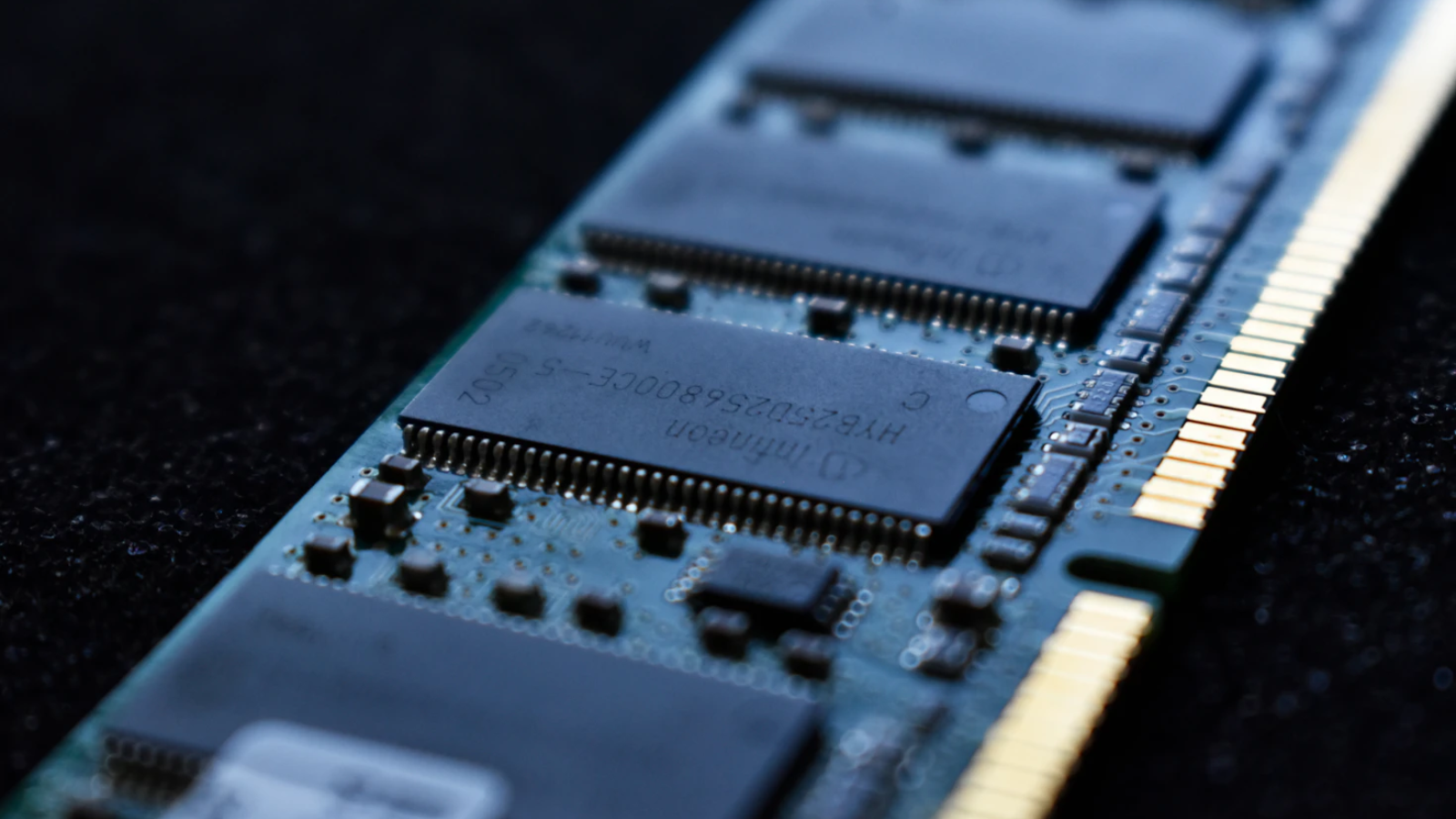
Reused memory, also known as reballed memory, involves removing integrated circuits from existing circuit boards, refining the contact surface, and attaching new solder spheres to allow the chip to communicate with the board. Currently, 4GB LPDDR4X memory is most prevalent in reclaimed supplies, primarily used in inexpensive 4G handsets under CNY 1,299 (~$195).
As memory prices continue to rise, manufacturers may increasingly turn to reballed memory to reduce costs and maintain affordable prices for consumers. However, technical concerns such as inconsistent quality and potential performance issues may arise when using refurbished components from different suppliers and refurbishment channels.
Manufacturers must carefully consider the trade-off between immediate savings and the potential long-term costs of failures, repairs, and warranty claims.
Written by urgent.news from TechRadar's reporting — not their text. Machine-written — may contain errors; check the original before relying on it.