Oil shock from Iran war led to drop in carbon pollution, scientists say
Emissions of heat-trapping carbon dioxide from the burning of fossil fuels decreased slightly this year due to the Iran war. I
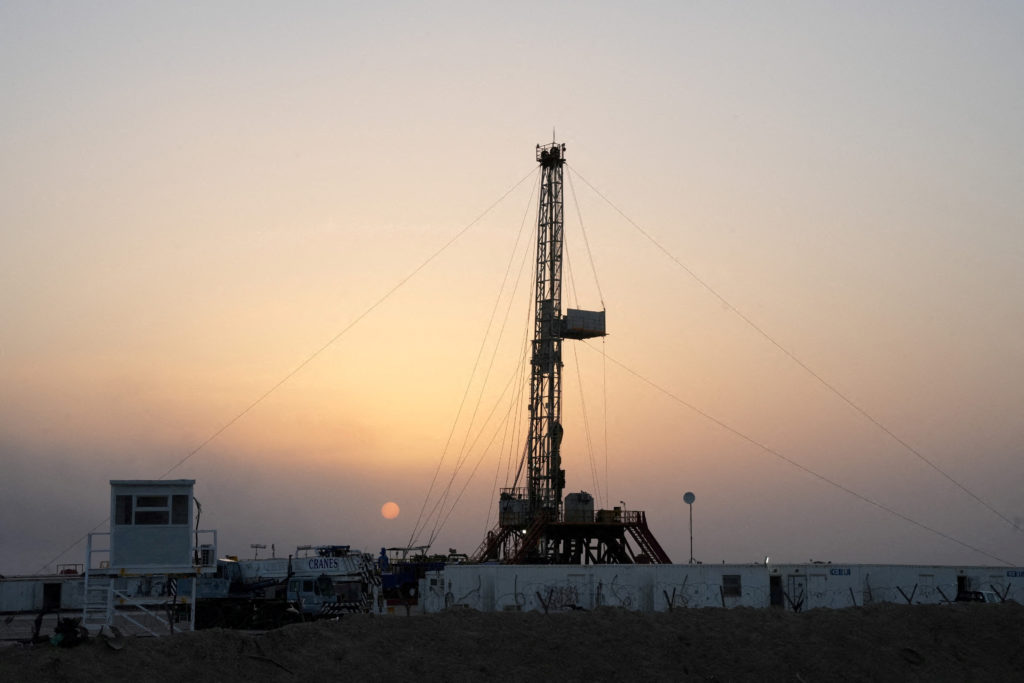
In 2026, global carbon emissions remained steady but saw a slight decrease, attributed to disruptions caused by the Iran war rather than concerted climate action, according to scientists. The Global Carbon Project, a collective of over 140 researchers, analyzed data worldwide and reported a 2% drop in oil emissions and a 0.3% reduction in natural gas emissions.
Coal emissions, however, rose by 0.6%. The Strait of Hormuz, a critical shipping route for petroleum products, was effectively closed due to the conflict, leading to increased global oil and gasoline prices. This oil shock directly contributed to the decline in emissions. Scientists caution that while this may appear as a step forward in the fight against climate change, it is largely a result of unfortunate circumstances rather than deliberate efforts.
This marks the third time in the 21st century that global carbon emissions have decreased, with previous reductions tied to the 2009 economic recession and the COVID-19 pandemic. While some experts see potential in China's shift towards renewable energy and electric vehicles, others remain skeptical, pointing out that oil-producing nations unaffected by the Hormuz blockage are profiting, potentially undermining the positive impact of reduced emissions.
Written by urgent.news from PBS NewsHour Science's reporting — not their text. Machine-written — may contain errors; check the original before relying on it.
This story
This is one outlet's version. Read the fullest account.
- Oil shock from Iran war led to drop in carbon pollution, scientists say pbs.org
- Heat-trapping carbon pollution drops, but scientists cite Iran war rather than energy progress thehindu.com
- Heat-trapping carbon pollution drops, but scientists cite the Iran war rather than energy progress phys.org
- Heat-trapping carbon pollution drops, but scientists cite the Iran war rather than energy progress winnipegfreepress.com