More renewables and Hormuz disruption drive emissions fall
“A reduction driven partly by geopolitical shocks is not a sustainable climate solution,” said Pierre Friedlingstein, an Exeter University professor.
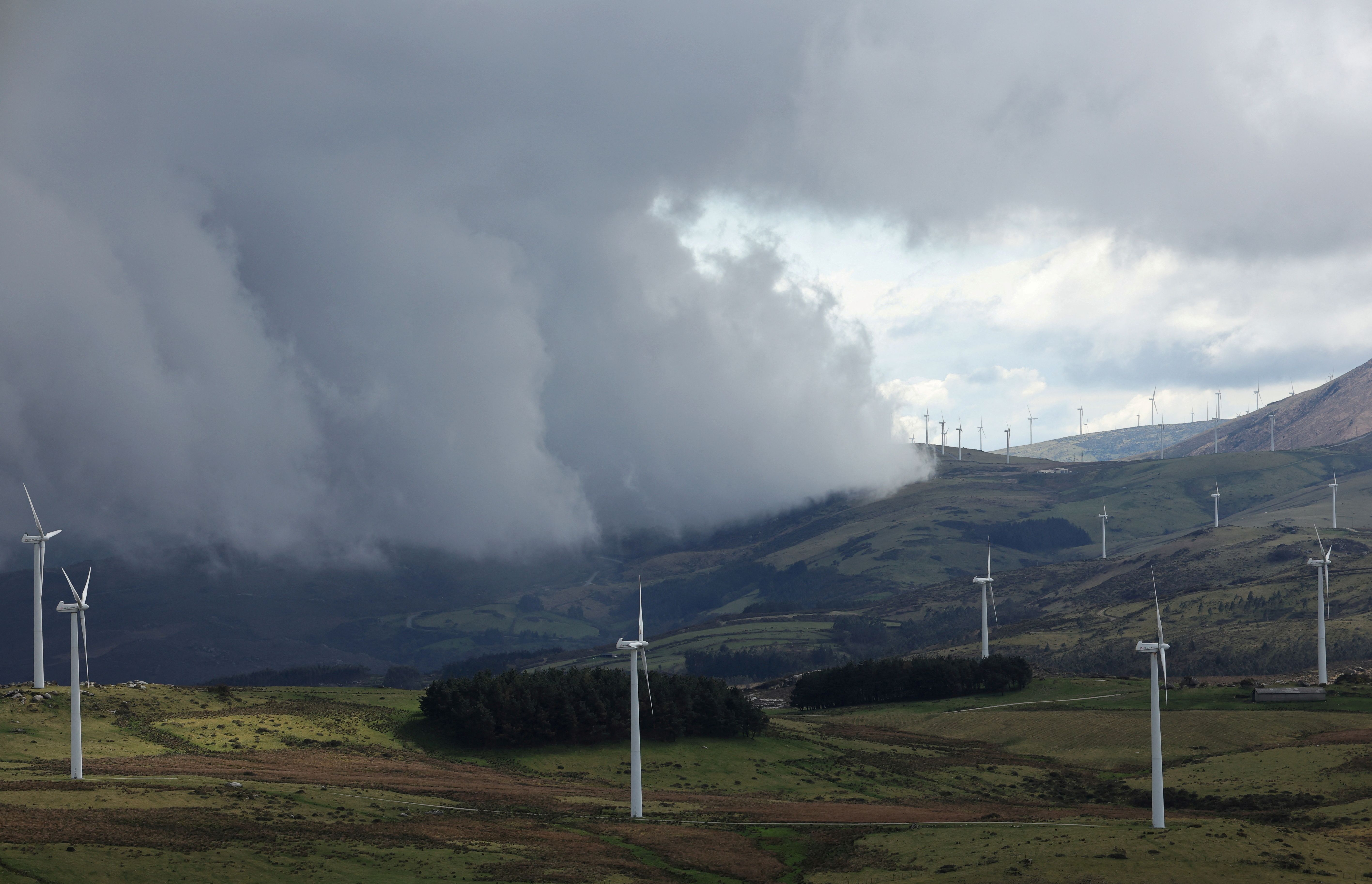
Global fossil fuel emissions are anticipated to decline by 0.4% in 2026, according to a study by the Global Carbon Project. The reduction is attributed to the rapid growth of solar and wind energy production, as well as an energy supply disruption resulting from the Iran conflict. However, the Nature journal published a study suggesting that the decrease in emissions is not substantial enough to be considered sustainable.
Oil-related emissions are expected to fall by 1.9%, which is likely a temporary reaction to the closure of the Strait of Hormuz. Pierre Friedlingstein, a professor from Exeter University and the lead researcher of the GCP study, noted that a geopolitical shock-driven reduction is not a viable long-term climate solution. Emissions are projected to increase by around 1% this year, as emissions from deforestation and land-use changes are expected to rise for the first time in a decade.
If the current trend continues, the world will exhaust its remaining carbon budget, which is essential to keep global temperature increases to 1.5°C within fewer than four years.
Written by urgent.news from Semafor's reporting — not their text. Machine-written — may contain errors; check the original before relying on it.