Mediation is a necessity imposed by today’s geopolitics: Al-Ansari
His Excellency the Adviser to the Prime Minister and Official Spokesperson for the Ministry of Foreign Affairs Dr Majed bin Mohammed al-Ansari participated in a plenary session titled “Peace Mediation...
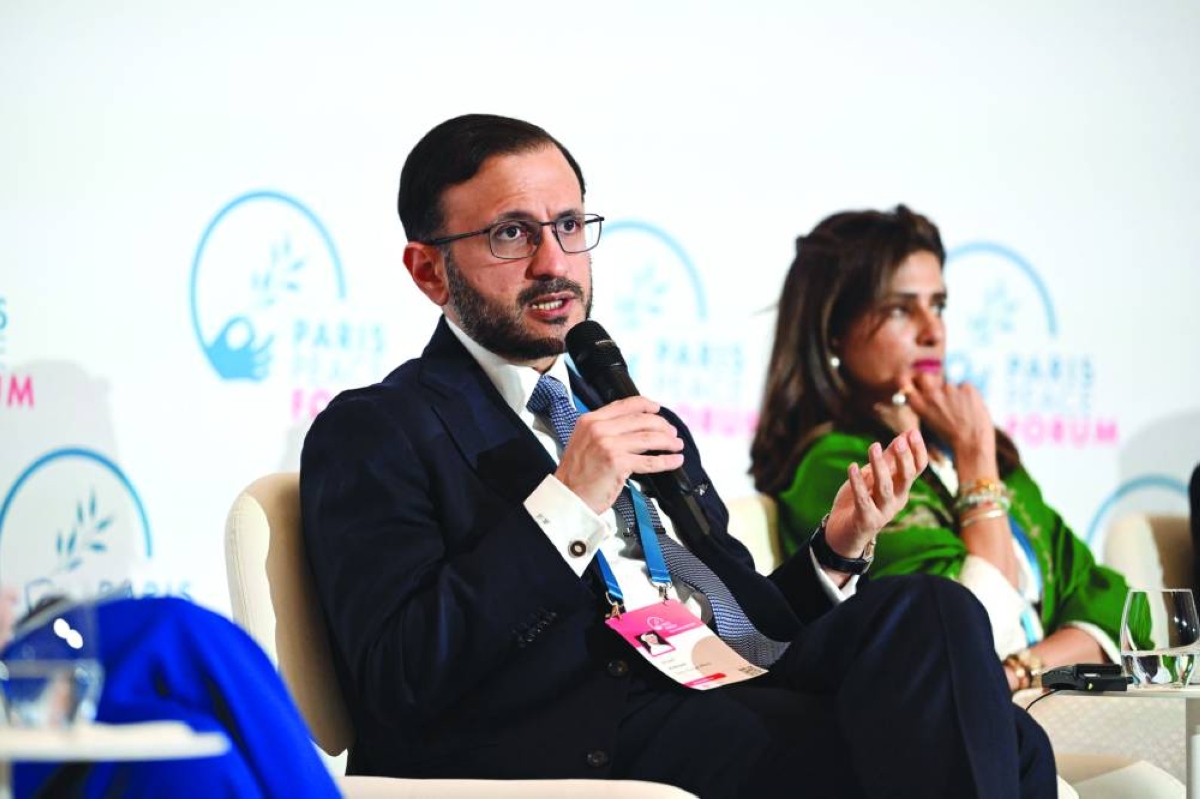
Dr. Majed bin Mohammed al-Ansari, Adviser to the Prime Minister and Official Spokesperson for the Ministry of Foreign Affairs, addressed a plenary session titled "Peace Mediation Today: New Actors, New Coalitions, Lasting Results" at the Paris Peace Forum. He emphasized that mediation is no longer a diplomatic option, but a necessity due to current geopolitical challenges.
As a nation with a strategic location and regional ties, Qatar cannot stand idly by while efforts to achieve regional peace and stability are underway. Qatar has a history of mediation efforts since the 1990s, including in Yemen, Djibouti, Afghanistan, the Democratic Republic of the Congo, Rwanda, as well as between Hamas and Israel, and Iran-related disputes.
Dr. al-Ansari clarified that Qatar is not a neutral mediator, but remains deeply involved in its regional affairs. Despite facing attacks, Qatar has continued its mediation efforts, driven by the belief that dialogue and diplomacy are crucial to averting further escalation. He stressed that diplomatic solutions are the only means to protect all parties from the consequences of conflict, warning that any alternative to political settlement would bring losses to everyone, impacting economic interests, state sovereignty, and security concerns.
Dr. al-Ansari highlighted the significance of "Thriving States," a concept introduced by the Prime Minister and Foreign Minister Sheikh Mohammed bin Abdulrahman bin Jassim al-Thani. These states, defined by their resilience, prosperity, and resourceful use in the common good through mediation, development, and international cooperation, have the potential to influence the international order.
He underscored the importance of preserving and enhancing Qatar's role as a peace facilitator and mediator, working in tandem with regional and international partners to establish what he called "peace supply chains." Leveraging each country's unique capabilities, these "peace supply chains" aim to support the rules-based international order.
Dr. al-Ansari also stressed the importance of collaboration between Qatar, Pakistan, Saudi Arabia, and international partners, acknowledging the distinct capabilities each nation brings to advancing peace and regional stability. He concluded by emphasizing that stronger partnerships and coordinated diplomatic efforts among nations are indispensable for constructing effective alliances for peace, and achieving shared security and prosperity.
Written by urgent.news from Gulf Times's reporting — not their text. Machine-written — may contain errors; check the original before relying on it.