Nvidia's crisis may hurt China more than it benefits it
The scandal of the US chip giant's founder is pushing for tougher export controls
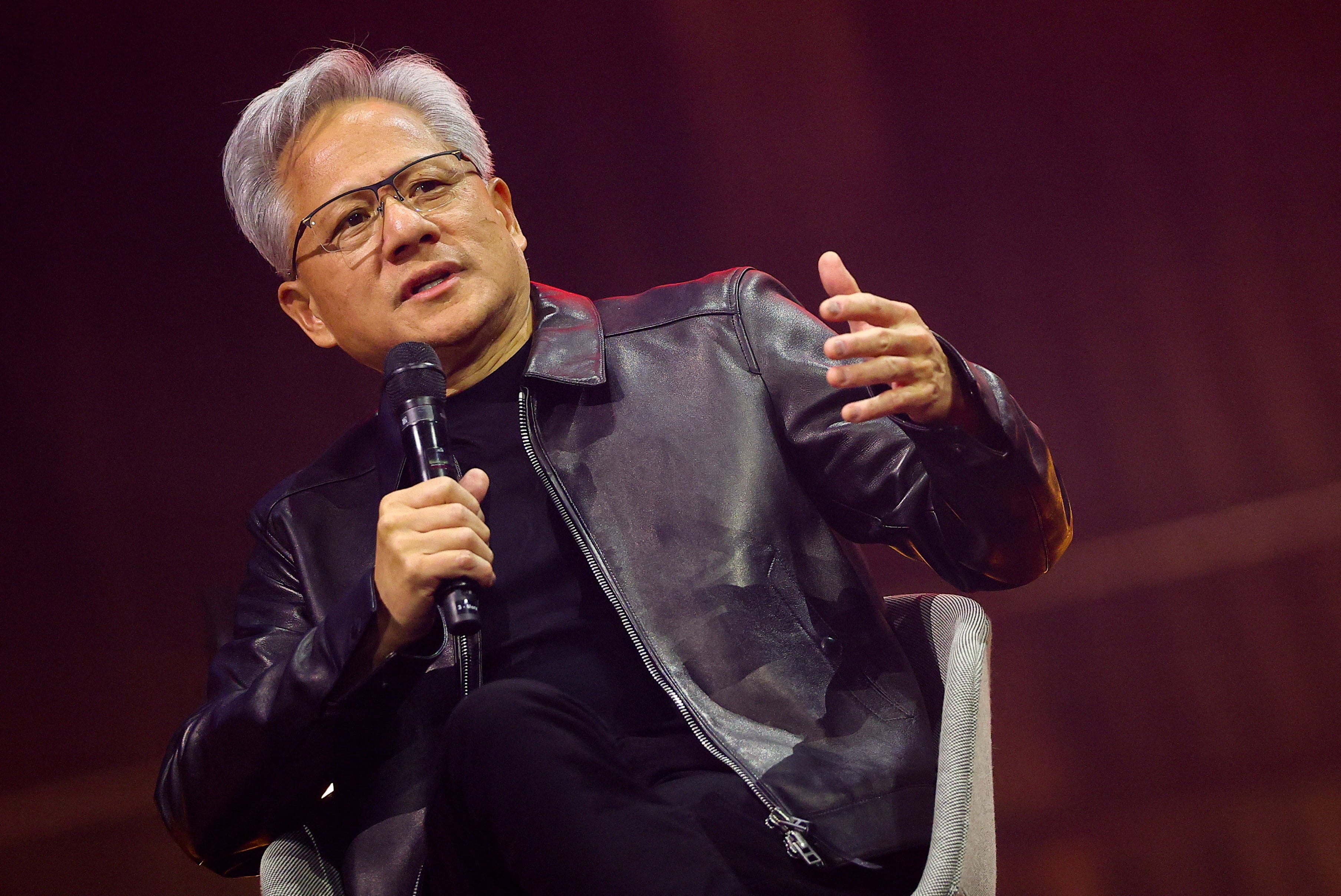
Nvidia's chief executive, Jensen Huang, recently confessed to an affair with a Chinese businesswoman, reported to be a spy by investigators. Renowned political science experts and former government officials assert that Huang, a prominent figure in the artificial intelligence industry, should have been more cautious given the intense competition between the US and China.
Craig Albert, director of national defence studies at Augusta University, explained that China frequently employs the so-called "honeytrap" technique to extract information from AI leaders in the US. This tactic is widely used by authoritarian regimes, including China, which has perfected the method over centuries. Despite Nvidia's initial claim that no sensitive US national security or technology information was compromised, experts believe that China likely gained some valuable intelligence.
Huang's admission follows a string of recent concerns about the company's security measures and interactions with the alleged spy. President Trump expressed his belief in Huang's honesty, but the controversy has also led to calls for Huang's accountability due to his influence on US technology export policies. Nvidia's board has launched an independent investigation to determine the extent of any potential security breaches and repercussions.
Written by urgent.news from The National UAE's reporting — not their text. Machine-written — may contain errors; check the original before relying on it.
This story
This is one outlet's version. Read the fullest account.
- Nvidia's Jensen Huang should have been on lookout for China 'honeytrap', expert says thenationalnews.com
- Inside Nvidia's org chart: See the 36 leaders who reported to CEO Jensen Huang as of 2025 at the world's most valuable company businessinsider.com
- Nvidia spying scandal emboldens Washington's China hawks semafor.com