KORA builds AI models and agents into a new Linux OS bound for Qualcomm Snapdragon PCs
Desktop software company KORA Systems Inc. today unveiled KORA, a Linux-based operating system that builds artificial intelligence models and agents into the system itself. Qualcomm Technologies Inc. has spent close to a year working with the company to bring it to Snapdragon-powered PCs. The launch goes after what KORA sees as a ceiling on AI […] The post KORA builds AI models and agents into a…
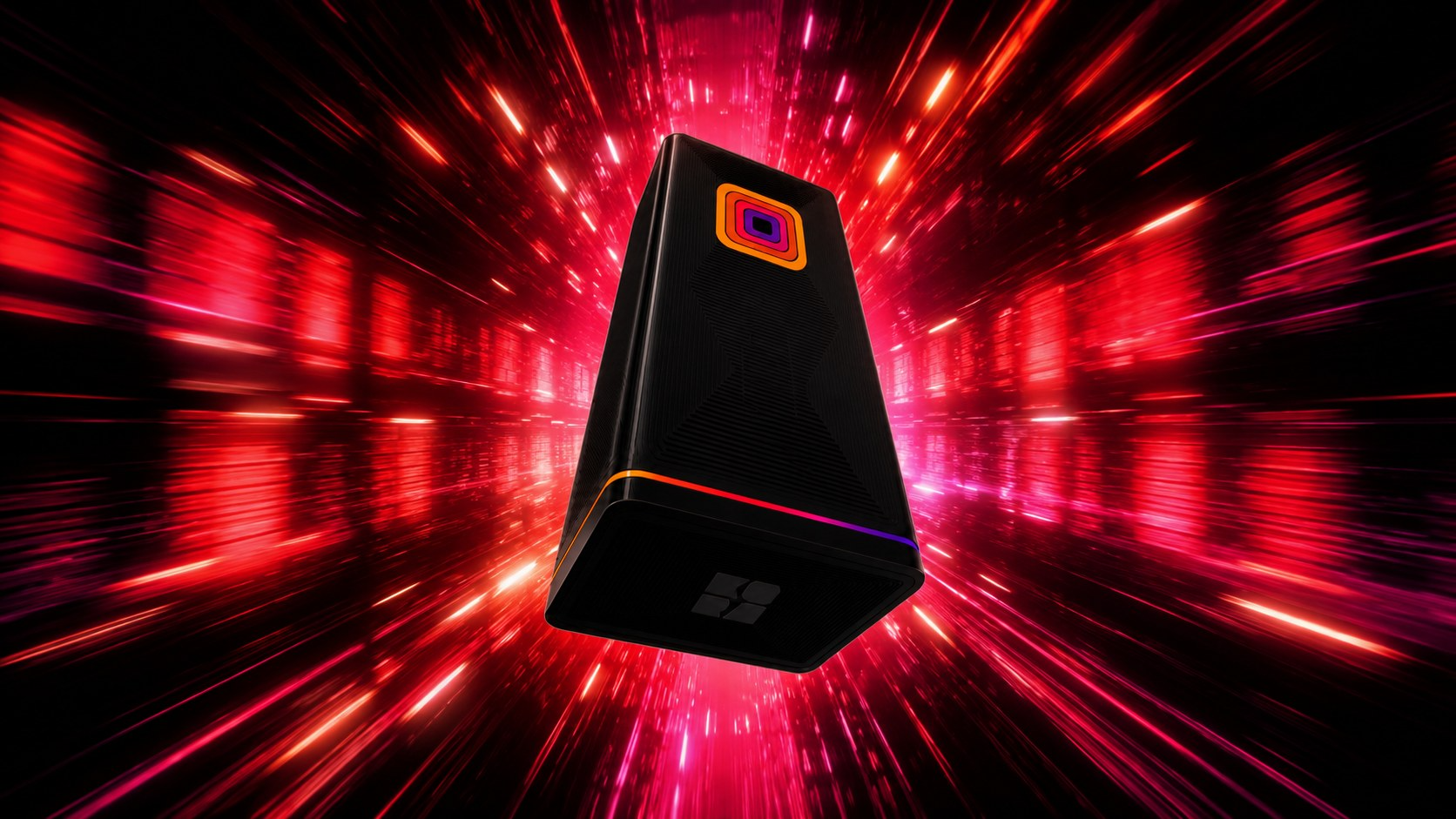
Desktop software firm KORA Systems Inc. has introduced KORA, a Linux operating system that integrates AI models and agents directly into the system. Qualcomm Technologies Inc. collaborated with KORA for nearly a year to bring the OS to Snapdragon-powered PCs. This launch aims to overcome the limitation of current desktop computers, where most AI software, including those on macOS and Windows, runs in a browser tab or an app sandbox with limited visibility into the underlying system.
KORA argues that Linux, being open enough, is the only OS that can be rebuilt around models and agents from the kernel level. The core of this rebuild is an inference engine named Cortex, which pools the CPU, GPU, and NPU in a PC and treats them as one system. By default, models run locally on the user's hardware, with frontier models called in for heavier tasks.
Instead of the usual folder and app layout, KORA presents neural workspaces for each task, with users setting permissions for sandboxed applications and agents within these workspaces. A neural file system ensures memory and context stay on the local machine. Outside developers can build on the same components KORA uses through its software development kit, which includes primitives such as memory, semantic search, and email.
KORA's agentic services can integrate at the system level, taking an identity, memory, and compute from the OS. The CEO, Kirt McMaster, described the desktop operating system as "the ultimate harness," noting that about 45 million people, representing 80% of AI spending, currently work on desktops running outdated operating systems.
By 2033, KORA forecasts that 150 million people will spend over $400 billion annually on AI. McMaster emphasized that nobody has built an operating system for this market. KORA originated from Playtron Corp., founded by McMaster to create a Linux alternative for gaming PCs. The same team has been developing KORA since November 2025, adding GameFrame, a one-click play mode that turns the desktop into a console for PC games.
With a background in Android business development at Google LLC, Chief Business Officer John Lagerling joined KORA when the platform had 100,000 users and stayed until it reached a billion. According to Chief Technology Officer Franck De Girolami, the company believes that "50 superpowered engineers can take on Windows," and they are now working alongside AI models and agents, integrating KORA within KORA.
The Qualcomm collaboration led to a complete Linux desktop on Snapdragon X2 Elite-powered PCs, with Cortex optimizing AI workloads across the chip. Qualcomm engineers contributed to the project, and the chipmaker is pushing X2 Elite support into the mainline Linux kernel. KORA's HUMAIN OS, co-developed with Saudi Arabian AI company HUMAIN, will be released on Snapdragon X2 Elite machines in 2027, marking the first hardware manufacturer's desktop operating system paired with Snapdragon X2 Elite.
KORA, backed by venture capital and supported by investors such as Samsung Next and Square Enix Holdings Co. Ltd., is set to launch in 2027, with pricing details to be announced closer to availability.
Written by urgent.news from SiliconANGLE's reporting — not their text. Machine-written — may contain errors; check the original before relying on it.
This story
This is one outlet's version. Read the fullest account.
- Qualcomm survey unsurprisingly finds people want AI agents on their wearables androidauthority.com