Iomega Zip Drive: Elite Floppy Disks Before USB Sticks
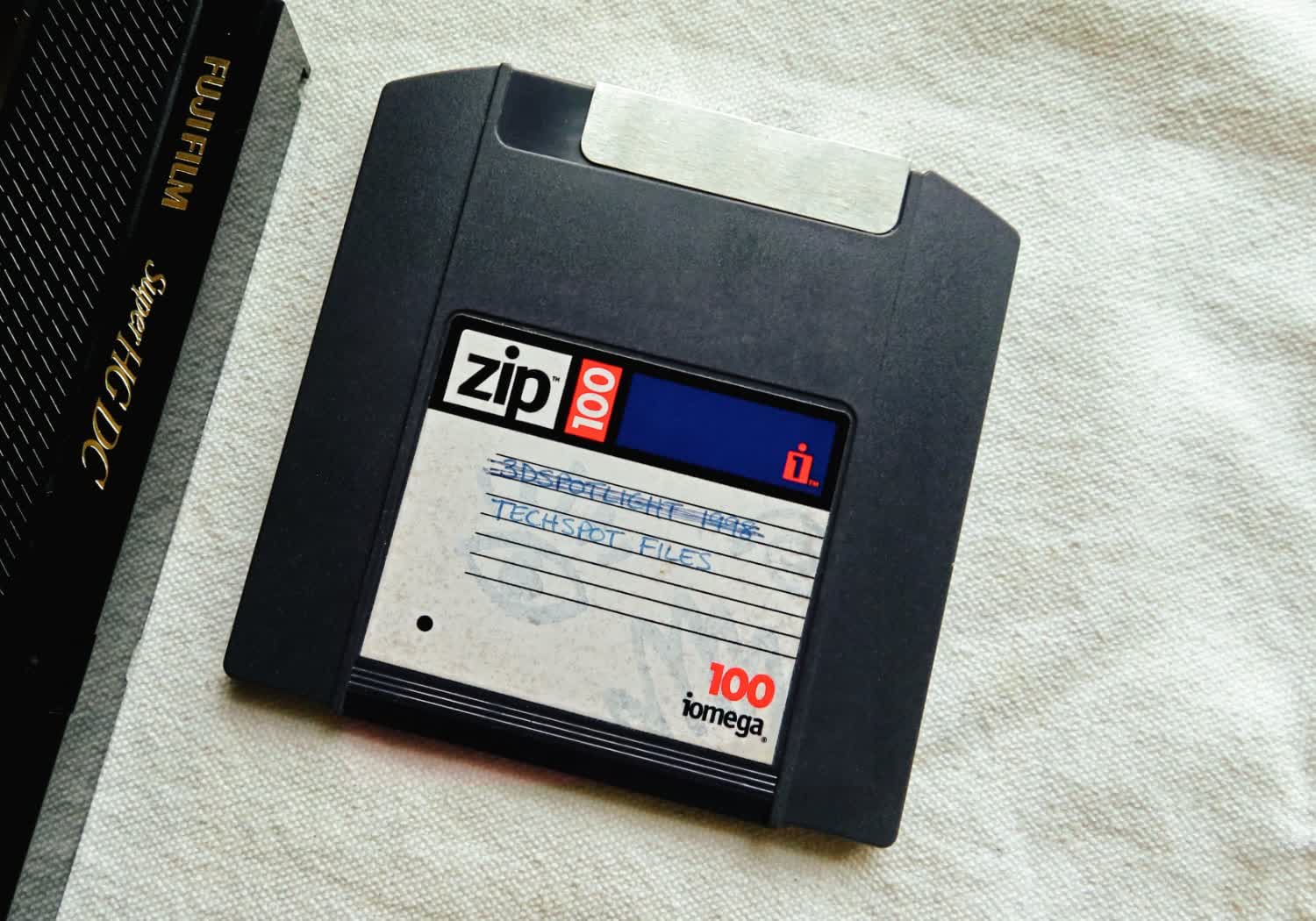
With 100MB in a disk that fit in your pocket, the Zip drive was the coolest way to carry files in the 1990s. It made Iomega a Wall Street darling, until thumb drives and the click of death caught up. Read Entire Article
In the early 1990s, many homes lacked internet access and internet transfer speeds were slow. Floppy disks were the primary storage option for medium-sized files, but they were not sufficient for larger files such as uncompressed graphics. CDs were used for software distribution, yet recorders were prohibitively expensive. If one needed to transport large files between computers that were not in the same room, they would have to disassemble their hard disk and install it in the other computer.
Prior to USB drives and high-speed internet, the Iomega Zip drive offered a convenient solution to store, back up, and share files. Introduced in the 1990s, this pocket-sized 3.5-inch drive could fit 100MB of storage. It allowed users to carry their files anywhere, providing graphic designers with the freedom to work remotely. Iomega, a company founded by engineers who left IBM, initially struggled with heavy debt and inventory unsellable by 1987.
In 1994, Kim Edwards, a marketing expert from General Electric, took over as the company's leader. Edwards recognized the Zip drive's shortcomings, including its high price, bulkiness, and complexity. She focused on delivering a budget-friendly, simple storage solution that consumers could easily afford and use. The Zip drive debuted in March 1995 at a price of $199, accompanied by 100MB disks priced at $19.95 each.
Its indigo casing and windowed design made it easily recognizable, and it connected to computers via the printer port. With its vertical or horizontal placement option and concealed power cable, the Zip drive featured a user-friendly interface. Despite its superior technology, the Zip drive faced stiff competition from SyQuest's EZ135 drive, which offered 35% more capacity.
However, SyQuest failed to capitalize on the opportunity, ultimately losing out to Iomega in the market.
Written by urgent.news from TechSpot's reporting — not their text. Machine-written — may contain errors; check the original before relying on it.