Descendants of Chornobyl’s Pets Run Wild
And their genomes suggest they’ve adapted to the toxic conditions The post Descendants of Chornobyl’s Pets Run Wild appeared first on Nautilus .
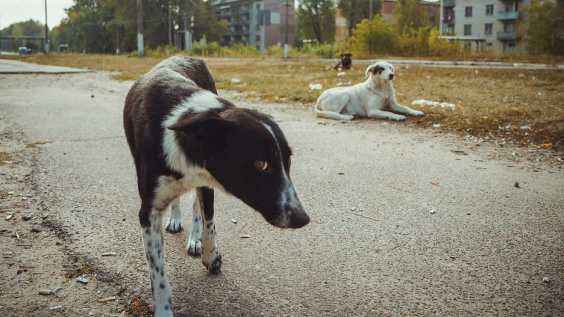
Nearly four decades after the Chornobyl nuclear reactor meltdown in Ukraine, the aftermath continues to be evident in both human and animal health. Evacuated residents left their pets behind, leading to a population of radiation-exposed dogs that have adapted to the toxic conditions. Despite eradication efforts, several hundred of these dogs still roam the exclusion zone, serving as a living example of genomic adaptation over multiple generations.
A 2023 study revealed that these dogs possess unique genetic traits distinct from those living nearby in Chornobyl City. A recent investigation in the Genes journal delved deeper, examining the reasons behind these genetic differences. Lead author Megan Dillon, a veterinary researcher at North Carolina State University, questioned whether these variations stemmed from natural selection or genetic drift, an isolated random change over time.
Dillon's team compared the radiation-exposed dogs to other feral dog populations in the CEZ, Eastern Europe, and even the Galápagos Islands. The Chornobyl dogs exhibited significant genetic divergence from all other groups, resembling the Galápagos canines more closely than their immediate neighbors. Analysis of the CEZ genomes uncovered evidence of directional selection in over a hundred genes, hinting at the dogs' adaptation to their environment.
While it's impossible to definitively conclude whether the genetic changes were purely random drift or the result of natural selection, the findings strongly suggest adaptation. The genes involved in these changes are linked to pathways that could enable the dogs to cope with the toxicants in their environment. Despite attempts to remove the pet dogs, they have not only persisted but thrived in their new habitat, a testament to their remarkable genetic resilience.
Written by urgent.news from Nautilus's reporting — not their text. Machine-written — may contain errors; check the original before relying on it.