DA and ActionSA gains expose growing voter disillusionment with ANC
The ANC's declining support, poor service delivery and political fragmentation are reshaping South Africa's political landscape.
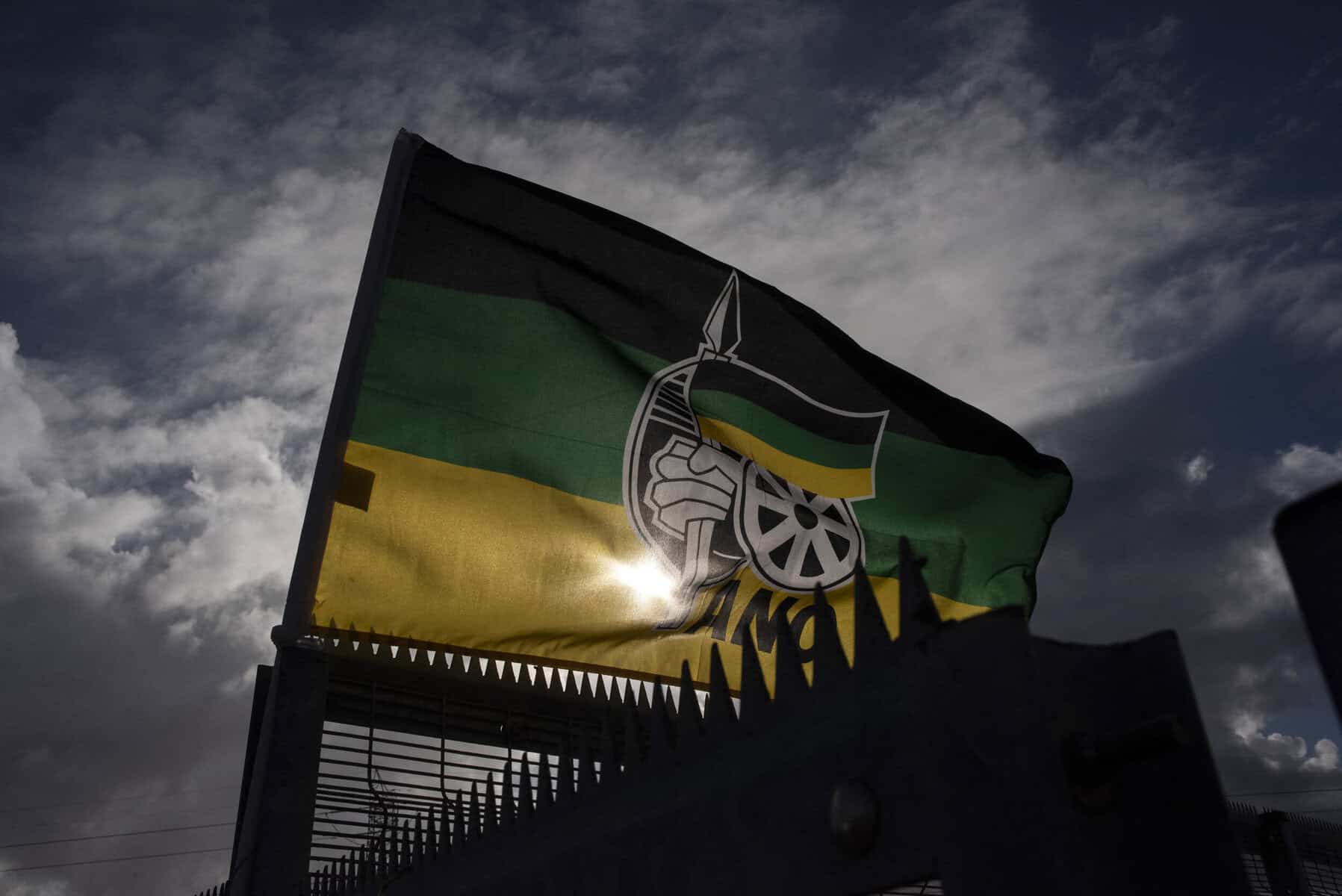
The recent local government elections in South Africa have revealed a growing support for the Democratic Alliance (DA) and ActionSA, signaling a shift in the nation's political landscape, according to experts. However, analysts argue that the rise of right-leaning parties is primarily due to the declining popularity of the African National Congress (ANC) and other progressive forces.
The ANC is particularly blamed for losing the confidence of many voters who are seeking new political options. Political analyst Ralph Mathekga notes that this trend is not unique to South Africa, as similar patterns are observed across Africa, with liberation movements losing ground as their historical credentials become less influential.
The DA and ActionSA are the only parties among the five largest political parties to increase their support compared to the 2024 general election. The DA's support grew from 21.81% to 24.64%, while ActionSA surged from 1.2% to 5.67%, moving from the eighth-largest party to fifth place nationally. This growth has occurred alongside the weakening of left-leaning parties, including the ANC, Economic Freedom Fighters (EFF), and uMkhonto weSizwe (MK), although there is some debate among political analysts and left-wing activists about classifying MK as a leftist formation.
Political analyst Ntsikelelo Breakfast attributes the ANC's decline directly to the dissatisfaction of its voters. He argues that the ANC's drop in support is not about race or growing white supremacy, as EFF leader Julius Malema claims, but rather because voters are abandoning the party due to a loss of faith in its ability to address basic concerns, such as service delivery and reliable electricity supply.
Breakfast suggests that South Africans are deeply affected by issues like energy shortages and that they have crossed racial boundaries in looking for alternatives, which has contributed to the DA's rising numbers.
Despite the ANC's decline, Breakfast maintains that the party's political fortunes could still be reversed if it improves service delivery and becomes more responsive to citizens' concerns. He believes that trust in a political party can be both gained and lost over time, but the party must earn back the trust of its voters by addressing their needs and demonstrating responsiveness.
However, both the ANC and its opponents face significant challenges, with political fragmentation being a major obstacle. The DA and ActionSA remain at odds, while the ANC, MK, and EFF continue to contend with lingering tensions and unresolved grievances that may prevent collaboration against their ideological rivals. Breakfast highlights that bad blood persists across the political spectrum, particularly between the ANC and the South African Communist Party, which opted to contest local elections independently rather than under the ANC banner.
Ultimately, Mathekga attributes the decline of progressive politics to poor governance and mismanagement of state resources, which have hindered the ability of liberation movements and left-leaning parties to defend their transformation agenda.
Written by urgent.news from The Citizen's reporting — not their text. Machine-written — may contain errors; check the original before relying on it.