Anthropic tiptoes into MS Office territory
Sheets, Whiteboards, and Data artifact types bring Claude closer to a productivity suite
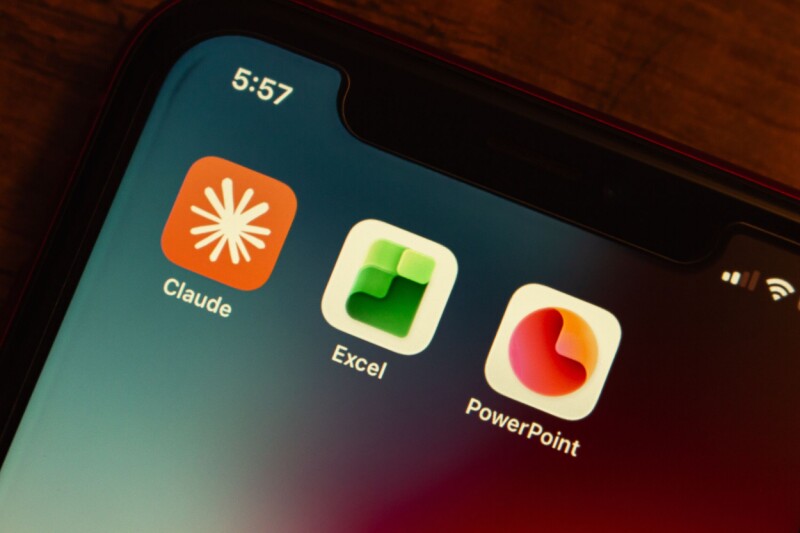
Anthropic, the AI company, has recently launched three new types of tools aimed at entering the office productivity market, traditionally dominated by Microsoft and Google. These new tools, Claude Sheets, Claude Whiteboards, and Claude Data, join existing offerings such as Docs, Slides, Design, and Motion, forming a new Claude-dependent productivity suite.
The company has redefined the term "artifact," which initially referred to shareable, AI-based interactive tools, to encompass specific artifact types that represent what traditionalists might consider files associated with specific hosted applications. An artifact is any creation made by Claude that one might present to others, such as a design, a deck, a document, a dashboard, or a small interactive tool.
Unlike files, users interact with artifacts through Claude, using a sharing URL, rather than storing and transferring them independently. The company also announced the expansion of its interactive connectors, turning Claude into a platform for embedding other software applications directly, such as Adobe and Atlassian. This move has set the stage for competition in the market, as Anthropic invites partners to embed their apps in Claude, allowing for seamless work without switching tabs.
Partners like Salesforce, NetSuite, and Workday have already contributed built-in skills, catering to various professional needs such as sales preparation, financial data analysis, and HR management. Anthropic's strategy extends beyond coding and mathematics, targeting non-technical teams that are increasingly utilizing Claude for various tasks.
This approach could attract a wider market of non-coders, potentially benefiting the company's investors ahead of its IPO.
Written by urgent.news from The Register Software's reporting — not their text. Machine-written — may contain errors; check the original before relying on it.