World’s largest bats are shrinking, with skull sizes down 6% since the 1980s; here’s why
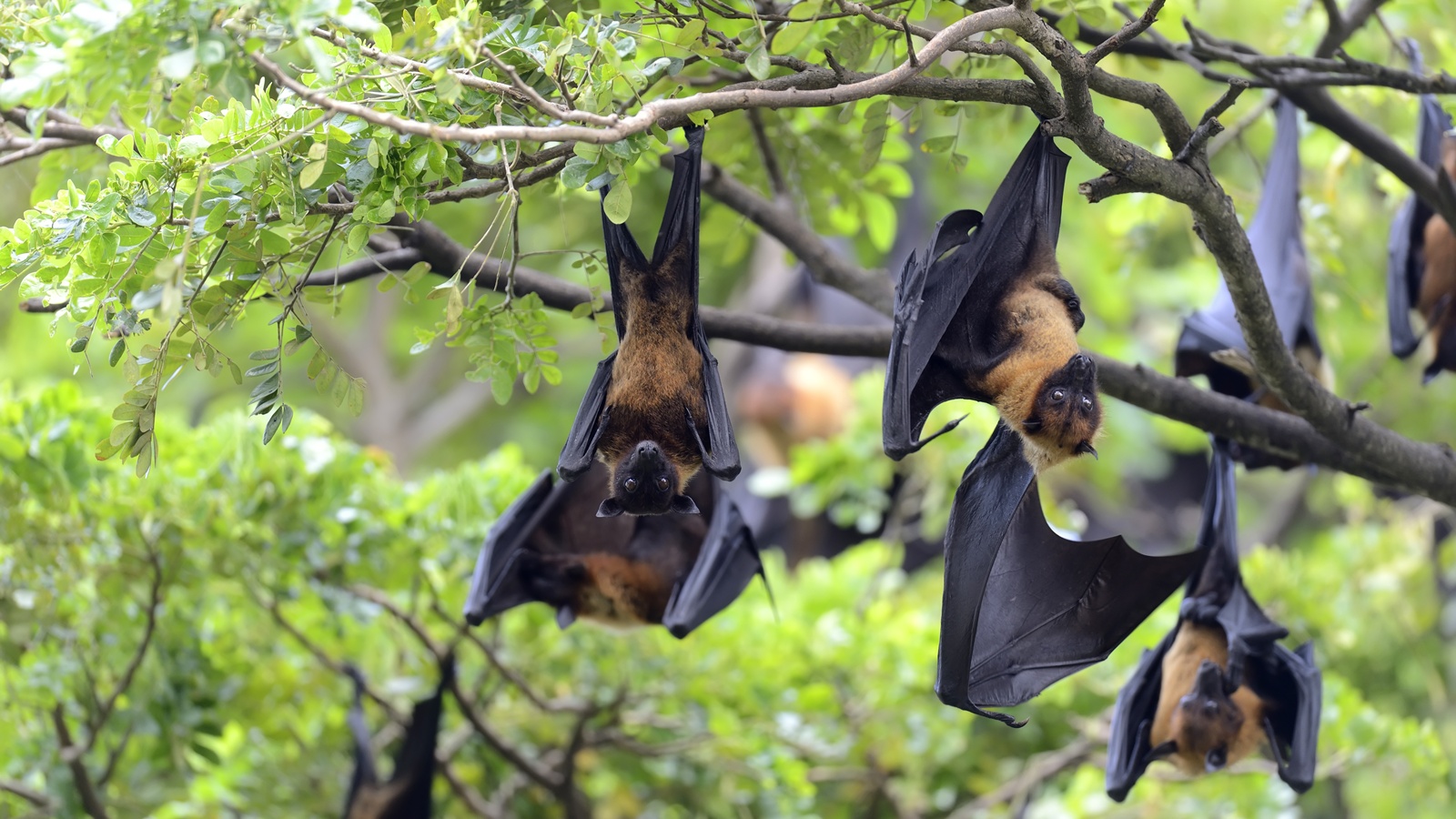
Some of the world's largest bats, Malagasy flying foxes, are shrinking in size, according to a recent study. Researchers found that the animals' skulls have reduced by around 6% since the 1980s. With wingspans reaching up to 1.5 meters, these bats are among the largest in the world. The researchers believe that human activity, particularly hunting, may be the cause.
The team, led by Emily Cornelius Ruhs from the Field Museum in Chicago and Steven Goodman, a conservation biologist, compared museum specimens from over 150 years ago with present-day bats captured in Madagascar. They discovered that bats collected before the 1980s had skulls that were an average of 3.6 millimetres longer than those collected afterward, indicating a 6% reduction in size.
The decline coincided with a significant shift in hunting practices. Traditionally, flying foxes were hunted for food in small communities. However, as hunting expanded and bats were sold widely in markets and restaurants, researchers suspect that hunters began targeting larger individuals for more meat. This selective hunting could have led to the reduction in the bats' size, as smaller bats had a better chance of survival and reproduction.
Conservation biologist Emma Stone from the University of Bath cautioned that changes in physical traits can have long-term consequences. Species evolve specific adaptations to their environments over thousands of years. Human-driven changes could make animals less capable of responding to environmental stresses or diseases.
The Malagasy flying fox population has also declined considerably, with an estimated 300,000 bats living in Madagascar in the early 2000s. Their numbers have since dropped by approximately two-thirds. The researchers' findings raise concerns about how continued hunting could affect the species' long-term survival.
The study also highlights the need for further investigation into whether similar changes are occurring in other fruit bat species hunted in Madagascar. While these bats remain an important food source for some communities, the researchers emphasize the importance of balancing people's dependence on them with conservation efforts.
Written by urgent.news from The Indian Express - Lifestyle's reporting — not their text. Machine-written — may contain errors; check the original before relying on it.
This story
This is one outlet's version. Read the fullest account.