World Bank backs infrastructure fund to help Kenya ease debt pressure
Kenya could reduce its high public debt distress by allocating part of proceeds from the National Infrastructure Fund (NIF) to retire some expensive debt. According to the World Bank, Kenya’s public debt remains elevated on the back of growing domestic borrowing which increased to account for 56.2% of total debt as at the end of […] The post World Bank backs infrastructure fund to help Kenya ease…
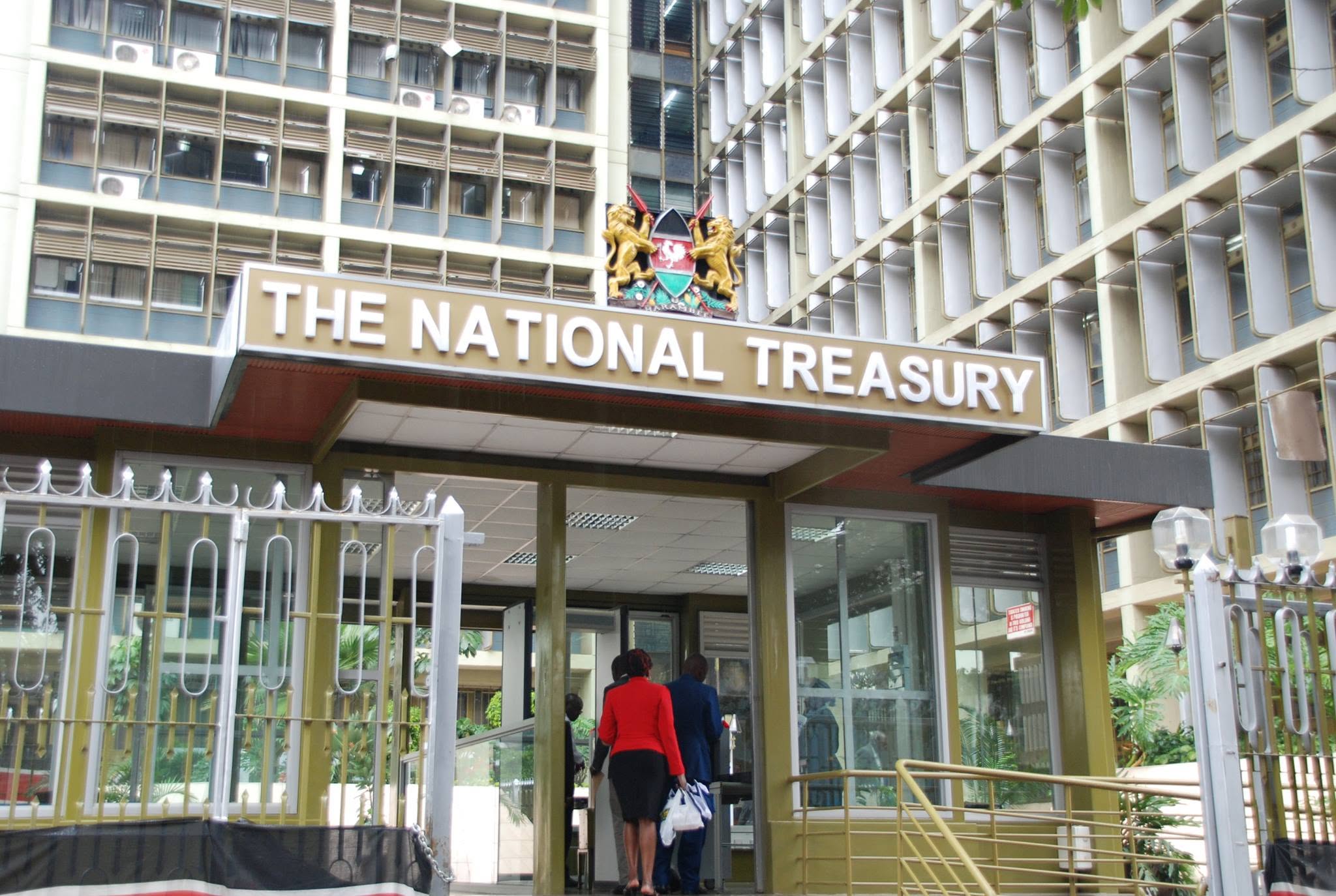
Kenya can alleviate its high public debt distress by diverting funds from the National Infrastructure Fund (NIF) to eliminate some costly debt, according to the World Bank. As of the end of the 2025/26 fiscal year, Kenya's public debt has reached an alarming 70% of GDP, with domestic borrowing constituting 56.2% of the total debt, which stood at Ksh 7.7 trillion, while external debt totaled Ksh 5.8 trillion.
The World Bank warns that this trend has intensified sovereign-bank linkages, heightened refinancing risks, escalated interest costs, and may limit credit availability to the private sector, putting Kenya at high risk of debt distress.
Dr. Qimiao Fan, World Bank Division Director, emphasizes that with public debt absorbing approximately one-third of government revenue, fewer resources are available for crucial services and developmental priorities. The bank advises Kenya to utilize a part of the NIF funds raised to reduce debt-related expenses. The government has been carrying out privatization and divestiture programs targeting State-Owned Enterprises (SOEs), with the goal of creating a Ksh 5 trillion fund to finance infrastructure projects nationwide.
The World Bank notes that diverting proceeds from the NIF to retire high-cost debt would lower interest expenses, reduce refinancing risks, and enhance debt sustainability. Thus far, the government has capitalized the NIF with Ksh 103.5 billion from the sale of its 65% stake in Kenya Pipeline Company and anticipates an additional Ksh 204 billion from the divestment of 15% shares in Safaricom.
Written by urgent.news from KBC's reporting — not their text. Machine-written — may contain errors; check the original before relying on it.