Verbotene Aussagen: Nahrungsergänzungsmittel: 4 Werbetricks von Influencern
Auf Instagram und TikTok werben viele Creator für Vitaminpräparate und Co. Wer zuguckt, denkt schnell: „Das brauch' ich auch.“ Warum? Die Verbraucherzentralen dröseln gängige Strategien auf.
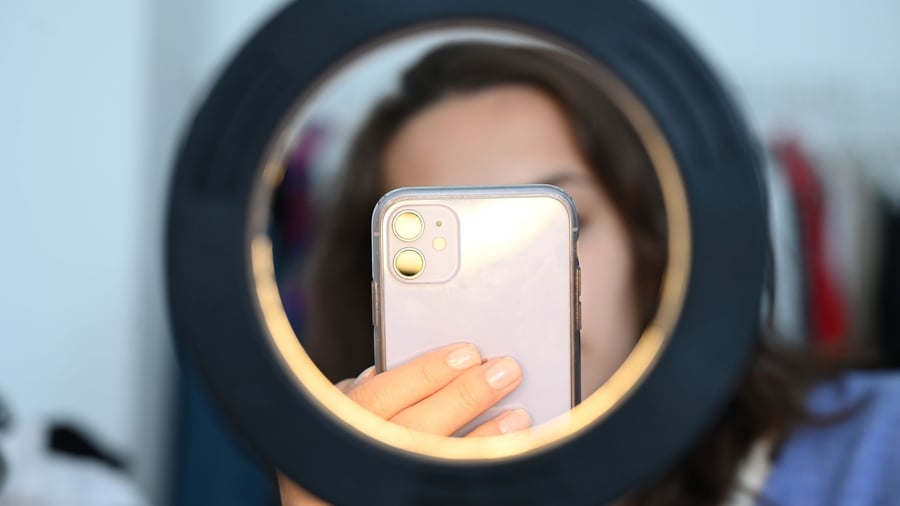
Many colorful capsules are now part of a typical morning routine, and a simple scroll through social media feeds is often enough to encounter advertisements for dietary supplements. The videos often prompt a thought in children and teenagers: "Perhaps I need this too - especially compared to adults who are less practiced in distinguishing between information, personal recommendations, and mere advertising."
A recent study shows how quickly the boundaries blur. The consumer centers analyzed 804 posts related to food and dietary supplements from 27 TikTok and Instagram influencers in the fitness, beauty, and family sectors. They wanted to know what strategies the creators use when promoting supplements and whether their advertising complies with food law.
The answer to three questions is three points. Despite the influence of a friend, "Influencers are no longer private individuals once they promote or sell a product - they are now advertisers and must also comply with the applicable food law," says Daniela Krehl, a nutrition expert from the Verbraucherzentrale Bayern. This is not always the case.
Around 20% of the analyzed posts give the impression that the product could prevent, treat, or cure diseases. For example, one influencer claimed that Vitamin D protects against cancer, Alzheimer's, and prevents diabetes. However, this is not allowed. Legally, dietary supplements are considered food, not medicine. They cannot make health claims.
Even more frequently, influencers link certain nutrients to health. Such health-related statements can be allowed - but only if the specific claim is permitted in the EU. Only 5 out of 378 health-related statements in the sample were deemed permissible. What strategies do the observed influencers use? "Creating fear, building trust, and offering products as solutions": This summarizes the common formula used by consumer advocates.
They specifically observe four strategies, often combined. Strategy 1: Creating fear and uncertainty "The motif we keep seeing is that influencers first create fear in their followers," says Daniela Krehl. They talk about how foods are full of pollutants or that a normal diet is not enough to get all the nutrients. Representations that are scientifically untenable in the vast majority of cases.
In some cases, influencers also exploit fears by presenting vague complaints such as fatigue or skin changes as indicators of serious illnesses or nutrient deficiencies and praising dietary supplements as simple solutions. Strategy 2: Presenting oneself as an expert Another observation is that creators cite scientific studies to gain credibility.
However, precise source references are often missing - statements are therefore not verifiable. "In social media posts, scientific findings are often shortened, pulled out of context, or misinterpreted," observes the consumer advocates. Strategy 3: Highlighting personal success stories No longer sick since black cumin oil became part of the routine?
Such personal testimonials like "XY was a gamechanger for me" create hope in those who watch. The formula: Influencers report on a health problem such as skin blemishes or bloating and then present the product as the only solution, glorifying it. Strategy 4: Creating a sense of scarcity Another recurring strategy is limited offers that are intended to encourage quick purchases.
The consumer centers advise against allowing pressure and taking the time to compare offers. Even if a product that one has set one's sights on is sold out, other retailers often have similar products in their inventory. Does one really need dietary supplements? Generally, if a person is healthy and eats a balanced diet, dietary supplements are not necessary.
According to the German Nutrition Society (DGE), they are only useful in certain life situations. Examples include folic acid during pregnancy and vitamin B12 in a vegetarian or vegan diet. In some diseases, dietary supplements can be useful - for example, if a chronic digestive disorder impairs nutrient absorption. If one suspects a nutrient deficiency, it is best to see a doctor or nutritionist.
Written by urgent.news from Handelsblatt's reporting — not their text. Machine-written — may contain errors; check the original before relying on it.