Using Vibrations and AI, Future Robotic Missions Could Handle Buried Rocks Autonomously
Mechanical engineering assistant professor Erik Komendera developed a method that combines vibrations and AI to determine how deeply a rock is buried, helping robots clear terrain more efficiently.
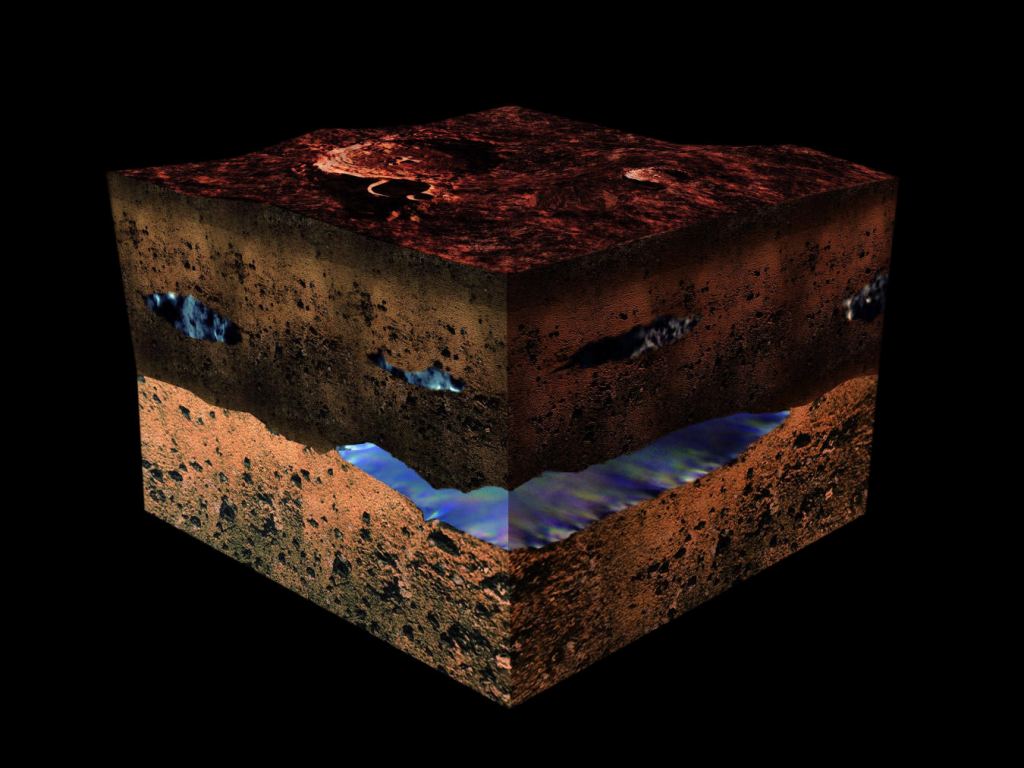
To effectively explore distant planets, rovers and astronauts must first understand the surface and subsurface terrain. Limited energy supplies make it imperative that robots can swiftly determine the extent of rocky obstacles beneath the surface, avoiding unnecessary time and effort wasted on non-moveable barriers. Virginia Tech researchers believe they have created an autonomous AI system that can provide these crucial details through the analysis of vibrations in the surface terrain.
Led by doctoral student Yiyan Ruan and assistant professor Erik Komendera, the team developed machine learning algorithms that interpret vibration data to calculate the depth of buried rocks. After burying concrete blocks of varying sizes and shapes in sand, they struck them with a specialized hammer and measured the resulting vibrations using a Laser Doppler Vibrometer.
This data was then fed into a Multilayer Perceptron neural network, which identified key features correlating vibrational patterns to rock burial depth. The compact neural network model proved surprisingly accurate in estimating block depths while accounting for varied rock geometries and soil characteristics. Once applied to future robotic missions exploring Mars or other planets, these AI-driven vibration sensors could autonomously map buried obstacles and determine safe excavation routes, greatly expanding the capabilities of energy-limited rovers.
Beyond space exploration, the researchers anticipate numerous terrestrial applications, ranging from construction site assessments and natural disaster hazard mapping to analyzing underground caverns and unstable rock formations for resource extraction and infrastructure planning.
Written by urgent.news from Universe Today's reporting — not their text. Machine-written — may contain errors; check the original before relying on it.