UN and global health leaders declare climate change a health pandemic as 2026 temperatures hit record highs
Global climate leaders and meteorological authorities declared on November 9, 2026, that relentless greenhouse gas emissions and an "off-the-charts" El Niño event have officially transformed the climate emergency into a global health crisis of pandemic proportions.
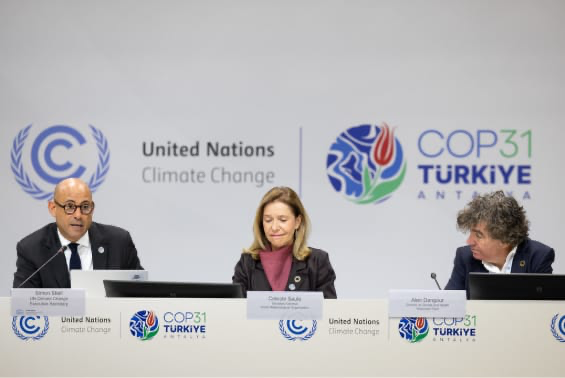
On November 9, 2026, global climate leaders and meteorological authorities declared that climate change had become a global health pandemic. At a press conference during COP31 in Antalya, representatives from the United Nations and global health organizations warned that rising temperatures, ocean warming, and extreme drought were straining health systems, threatening food security, and causing millions of premature deaths worldwide.
The World Meteorological Organisation's Secretary-General, Celeste Saulo, stated that global temperatures had surpassed critical thresholds, with 2026 being among the hottest years on record. The El Niño event, expected to peak in 2027, is projected to cause even higher global temperatures. Sea-surface temperatures in the Tropical Pacific, where El Niño typically reaches its peak, are forecasted to reach nearly four times the usual threshold.
In addition to rising temperatures, ocean heat reached its highest level in ten consecutive years, and global sea levels hit new highs, increasing the risk of storm surges and flooding for millions of people living along low-lying coastlines. Extreme weather events increased in 2026, including devastating floods in South America and Africa, severe droughts in Central America, Asia, and the Pacific, and high-mountain disasters in China and Nepal that threatened downstream communities.
Heat-related deaths soared in 2026, with an estimated 50,000 excess deaths across Europe due to extreme heat waves. UN Climate Change Executive Secretary Simon Stiell described climate change as a global health crisis of pandemic proportions, citing the direct destabilisation of human physiology and national health infrastructures.
Heat mortality, drought, and maternal vulnerability were highlighted as major health concerns. The International Monetary Fund has estimated that climate-related disasters cost the global economy over $500 billion annually. To combat the crisis, the UN launched a global call to action at Pre-COP31 in Fiji, urging the establishment of medical guidelines, heat response plans, and surveillance data targeting maternal health.
The Climate & Health Funders Coalition, formed at COP30, has committed over $450 million to targeted interventions in extreme heat management, air pollution reduction, climate-sensitive infectious disease surveillance, and health data systems.
Written by urgent.news from MyJoyOnline Ghana's reporting — not their text. Machine-written — may contain errors; check the original before relying on it.