The pros and cons of using mesh Wi-Fi
Should you buy a mesh Wi-Fi system or a standalone router? Learn how each handles range, roaming, and cost, and which one fits your home best.
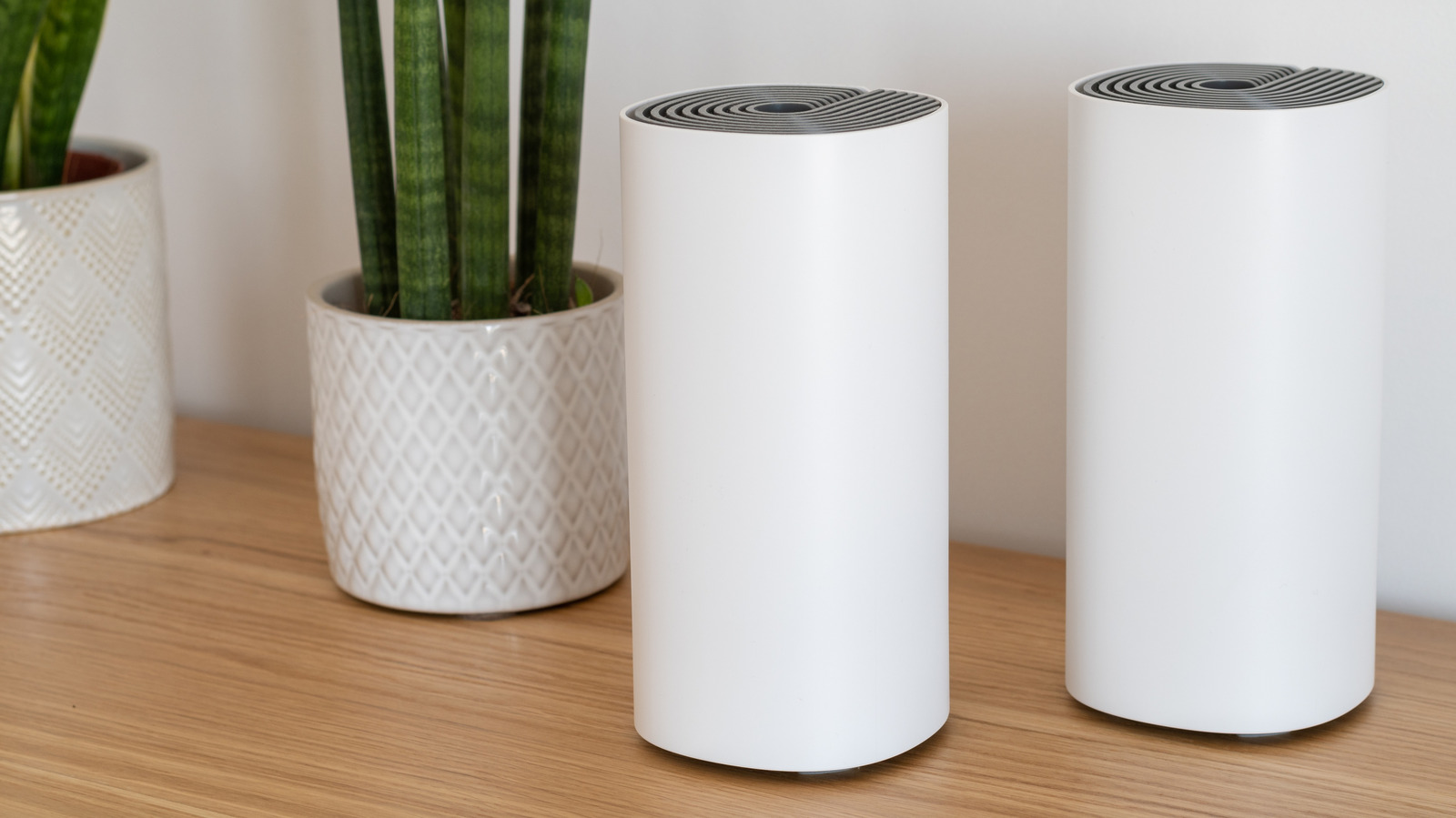
Mesh Wi-Fi systems provide wider coverage compared to standalone routers, making them a better choice for larger homes or areas with multiple floors. However, if your living space is not too large, a standalone router may suffice and offer better performance due to potentially lower costs and better control over frequency bands.
Mesh systems automatically connect devices to the best available frequency band, ensuring consistent speeds, while standalone routers may struggle with devices that require 5GHz or 6GHz connections. Mesh systems also facilitate seamless roaming as devices transition between units based on proximity, avoiding the hassle of manual SSID selection.
However, this seamlessness comes at a price, as backhaul connections between mesh routers may share the same frequency bands as connected devices, causing performance issues in some cases. For apartments or smaller homes, a standalone router may be sufficient unless there are specific range or speed issues. In multi-floor homes, a mesh system might be the most effective solution, especially when extended coverage is needed for areas like backyards, detached sheds, or garages.
Ultimately, the decision between a mesh Wi-Fi system and a standalone router depends on factors like budget, home size, and specific connectivity needs.
Written by urgent.news from Engadget's reporting — not their text. Machine-written — may contain errors; check the original before relying on it.
This story
This is one outlet's version. Read the fullest account.
- The pros and cons of using OnePlus smartwatches engadget.com