The Midterms Were a Pretty Good Sign for the Right-to-Repair Movement
A shifting political landscape gives right-to-repair advocates their best shot yet at meaningful federal reform.
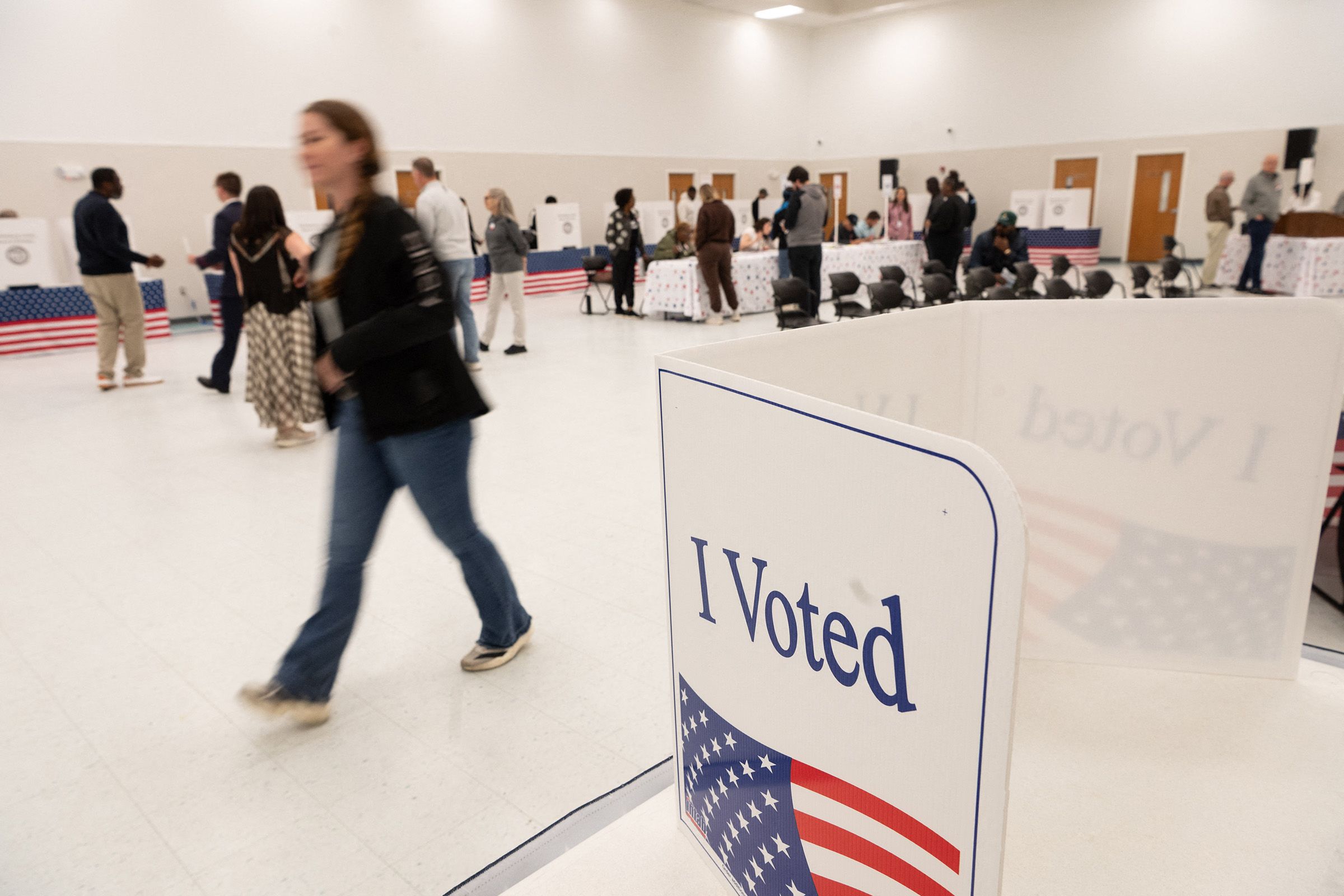
In the recent midterm elections, candidates from both the right and left sides of the political spectrum highlighted the importance of repair policies, particularly those affecting farmers and their equipment. Minnesota’s St. Paul voters, for instance, overwhelmingly approved a measure ensuring renters the right to repair. The right-to-repair movement, which pushes for laws that prevent manufacturers from restricting access to their own devices, has been gaining traction internationally as well as within the US.
Nathan Proctor, the senior director of PIRG’s right-to-repair campaign, told WIRED that the current political climate is favorable for such policies, as they promote standing up for the average citizen and reducing unnecessary costs. These policies appeal to a wide range of supporters, including consumers, farmers, and wheelchair users.
Advocates argue that advancing right-to-repair legislation would be a step towards addressing the broader issue of ownership battles in the US. People are frustrated by companies turning products into subscription services or using software locks to restrict modification and repair. This frustration aligns with the broader political climate, marked by anger over companies turning everything into a subscription service or using software locks to limit people from modifying or repairing their equipment.
Kevin O’Reilly, executive director of Fulu, an advocacy group focused on consumer digital ownership and product rights, views the push for right-to-repair legislation as a manifestation of the discontent displayed by voters at the ballot box. With tariffs, a memory shortage, and an unpopular war with Iran driving up prices across the board, the desire for more affordable products and less political polarization is evident.
O’Reilly believes the reshuffled Congress presents a prime target for DMCA reform, which currently makes it illegal to circumvent digital locks, enabling companies to punish individuals who breach these locks with potential prison time.
With voter frustration cutting across party lines, O’Reilly suggests that DMCA reform should be a no-brainer for any new or returning member of Congress.
Written by urgent.news from Wired's reporting — not their text. Machine-written — may contain errors; check the original before relying on it.