The End of Stephen Miller’s Recusals
The new White House chief of staff is free to engage on AI and space matters after his wife pulled back.
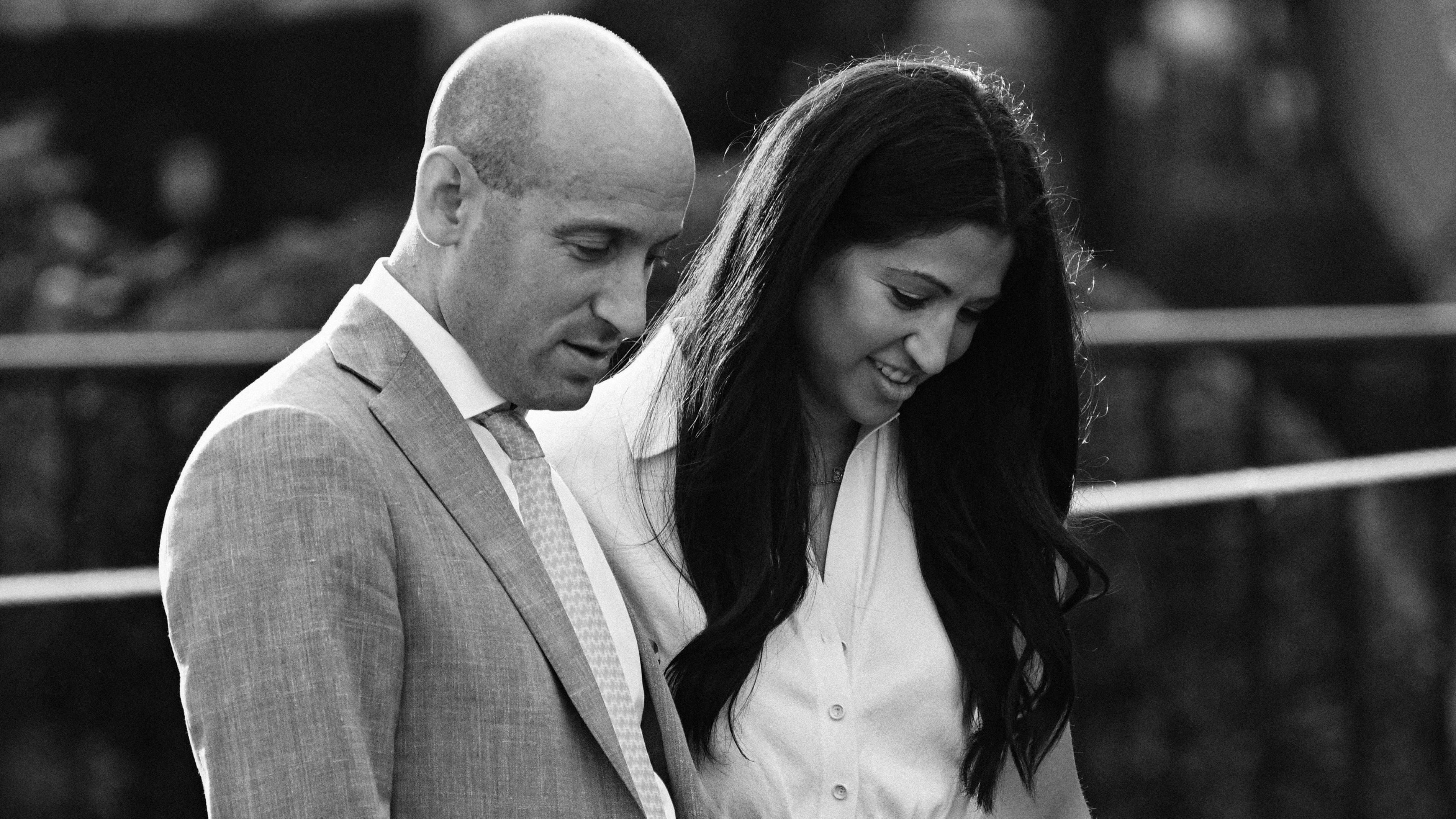
Stephen Miller, the newly appointed White House Chief of Staff, began his tenure on the weekend at Mar-a-Lago, engaging with President Trump and his executive assistant, Natalie Harp, regarding the upcoming two years of Democratic control in the House and Senate. Meanwhile, Stephen's wife, Katie Miller, a podcaster and political consultant, was in Washington, restructuring her life.
On X, Katie expressed her decision to discontinue her podcast, prioritizing her children's well-being. However, Katie's life changes extended beyond her podcast. She severed ties with SpaceX, sold her stocks, and relinquished her future equity rights under the contract. Additionally, she terminated her contract with Paramount for a planned podcast deal.
Consequently, White House officials announced that Stephen Miller was no longer bound by any recusals and could fully participate in all meetings and policy matters. Katie declined to comment. The recusals had previously arisen due to potential conflicts of interest, such as Katie's podcast advertising sponsorships from entities seeking favor from her husband, as well as her advisory roles with Elon Musk and SpaceX.
Katie had worked for Vice President Pence, served as an adviser to Robert F. Kennedy Jr., and continued her consulting with Musk and SpaceX. Her career pivot came amid public concerns over possible improper influence in the White House, fueled by allegations of lobbying from a former adviser, Calley Means, who accused lobbyists with close ties to senior officials of "demonic" efforts to manipulate White House policy.
Written by urgent.news from The Atlantic's reporting — not their text. Machine-written — may contain errors; check the original before relying on it.