SKT, NVIDIA and Rebellions Join Forces to Build Korea’s Sovereign AI Infrastructure
SK Telecom is joining forces with NVIDIA and South Korean AI chipmaker Rebellions to develop an integrated GPU-NPU computing platform, marking a significant step toward building a domestic AI infrastructure ecosystem capable of supporting Korea’s sovereign AI ambitions.The partnership aims to combine NVIDIA’s high-performance GPU technology with Rebellions’ homegrown neural processing unit (NPU),…
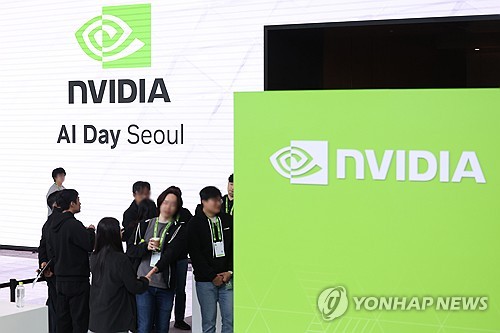
SK Telecom, NVIDIA, and South Korean AI chipmaker Rebellions have formed a partnership to develop an integrated GPU-NPU computing platform, with the aim of establishing a domestic AI infrastructure ecosystem to support Korea's sovereign AI ambitions. The collaboration, announced on November 9 at NVIDIA AI Day Seoul, seeks to combine NVIDIA's high-performance GPU technology with Rebellions' homegrown neural processing unit (NPU) to create a heterogeneous computing architecture.
The partnership highlights the growing emphasis on infrastructure efficiency in the global AI industry, particularly as generative AI moves from model development toward large-scale commercial deployment. By employing NVIDIA's NVLink Fusion interconnect technology and NVIDIA's MGX server rack architecture, the three companies aim to improve inference performance while reducing power consumption and operating costs at AI data centers.
Brief written by urgent.news from Korea IT Times's own syndicated text. Machine-written — may contain errors; check the original before relying on it.